
Spring weather’s unpredictability can have devastating effects on your cattle. Rapid changes in temperature and weather conditions pose a risk of serious health issues that can impact performance. From rain to even blizzards, these temperature swings can lead to several challenges.
Why Spring Brings Unique Health Challenges for Cattle
In spring, rapidly changing weather and the start of grazing season make cattle more susceptible to several health problems. These challenges can drain your cattle’s energy and divert it from growth, as they’re forced to focus on repairing infections and boosting their immune system. The main issues to be aware of are grass tetany, fly infestations, parasite infections, and foot rot.
How to Prevent Grass Tetany in Cattle
Grass tetany is a potentially fatal condition caused by low blood magnesium levels, which is common in spring when cattle graze on lush, potassium-rich forages that reduce magnesium absorption. This issue is especially prevalent in older cows during early lactation, as their ability to mobilize magnesium from their bones decreases with age.
Symptoms of Grass Tetany
Signs of grass tetany include:
Lack of coordination
Excessive salivation
Excitability
In severe cases, convulsions and death
Grass tetany is more likely to occur on cool, cloudy days when temperatures are between 40-60°F. The risk is lower on meadow pastures but higher with small grains like wheat, where tetany may also be caused by low calcium levels.
Prevention and Treatment for Grass Tetany
If you suspect grass tetany, consult your veterinarian immediately. Treatment usually involves IV injections of calcium and magnesium. For prevention, providing a mineral supplement high in magnesium (10%) and calcium (15-20%) is recommended. Aim for a daily intake of 2-4 ounces of mineral supplements per cow to maintain adequate magnesium levels. Prevention is key, as grass tetany can become fatal if not treated promptly.
Effective Fly Control for Cattle
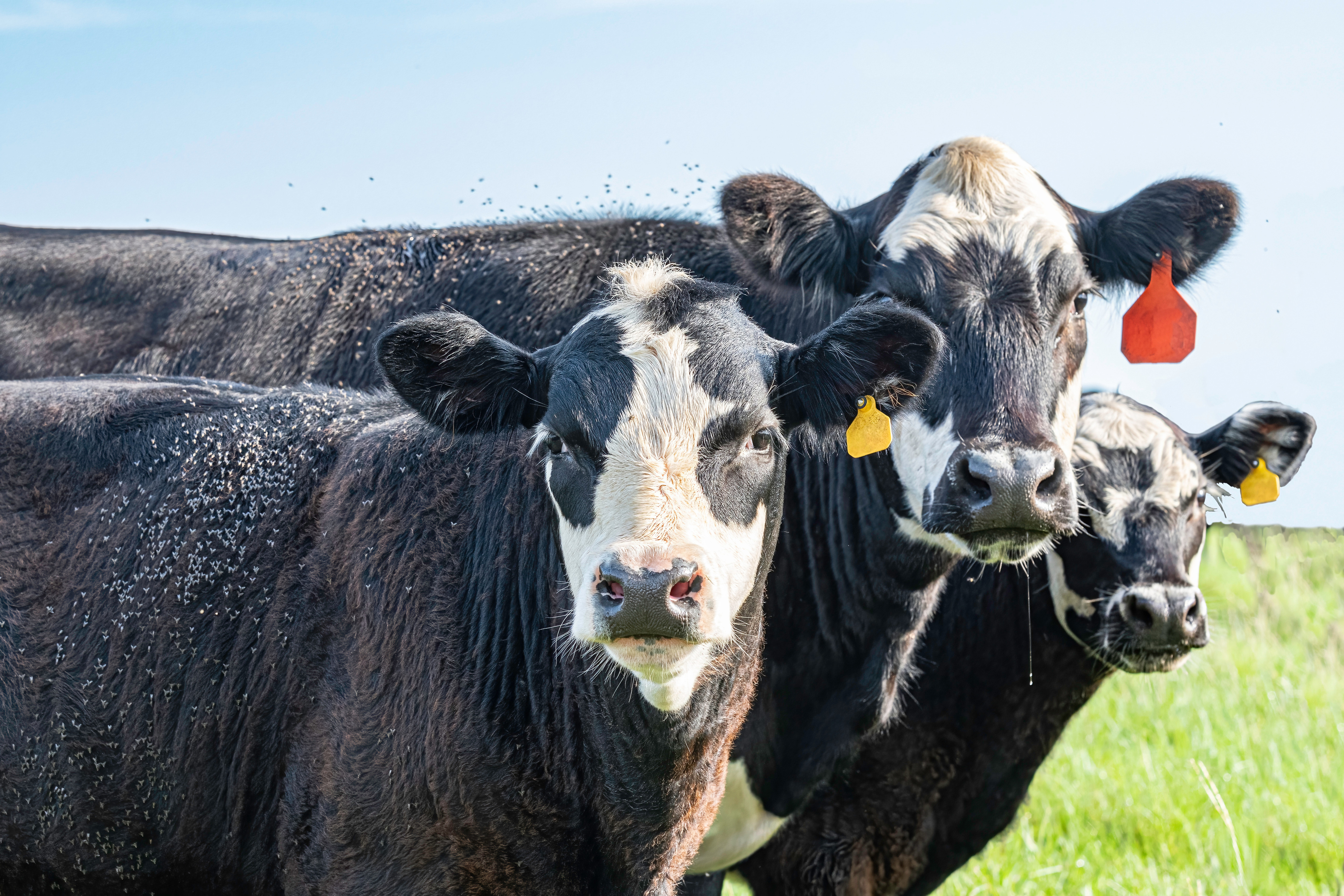
Flies aren’t just an annoyance for cattle—they’re a serious problem. According to the Journal of Entomology, the U.S. beef industry loses between $1-2 billion annually due to fly infestations. The main culprits are horn flies, face flies and stable flies. Horn flies bite up to 30 times a day, causing discomfort and can spread disease. Stable flies also bite, mainly on the front legs, while face flies, though non-biting, spread diseases like pink eye and infectious bovine rhinotracheitis (IBR).
Impact of Flies on Cattle Health
During peak summer, a single cow can host anywhere from 1,000 to 4,000 horn flies. It’s estimated that each cow loses around 10 pounds of blood to these pests every summer. Stable flies are just as concerning; even a small number (4-6 flies per cow) can have a significant economic impact due to stress and blood loss.
Fly Control Methods for Cattle
Effective fly control aims to keep flies below the economic threshold, ideally reducing horn flies to fewer than 200 per cow. Here are some effective strategies:
Ear tags, sprays, oilers, dust bags, vet guns and feed additives can all help control flies.
Combining multiple methods is often necessary to avoid fly resistance to treatments.
Adding garlic in mineral supplements is a natural way to deter flies and has shown promising results.
Managing Parasites in Cattle: Prevention and Control
Parasites are another significant threat to cattle, particularly as spring grass grows. Internal parasites, or nematodes, thrive in spring conditions when grass is short and temperatures rise. According to Kansas State University, internal parasites cost the U.S. livestock industry over $3 billion annually due to nutrient loss, reduced feed intake, and immune system overstimulation.
How Parasite Infections Occur
Parasites like Ostertagia, Trichostrongylus, Haemonchus and Cooperia release eggs that hatch into L3 larvae. These larvae climb grass blades or survive in water droplets, where they’re ingested by cattle as they graze. Once inside, the parasites attach to the digestive tract, taking essential nutrients from cattle and starting the cycle again through manure.
Symptoms of Parasites in Cattle
Cattle infected with parasites may exhibit symptoms like:
Reduced appetite and weight loss
Diarrhea and coughing
Rough, dry coats and general weakness
Texas A&M University identifies additional symptoms like pale mucous membranes, bottle jaw, and pot belly, which are similar to signs of malnutrition or liver flukes. Severe cases may lead to immobility or even death if left untreated.
Prevention and Treatment of Parasites in Cattle
Parasite management aims to reduce infestations below the economic threshold rather than eliminating them entirely, as cattle develop immunity over time. Developing a deworming plan with your veterinarian is crucial. Strategic deworming—only treating infected cattle at specific times—can help prevent resistance. Recent research also suggests that essential oils can be a natural alternative for managing parasites without resistance concerns.
Lifecycle of Parasites in Cattle
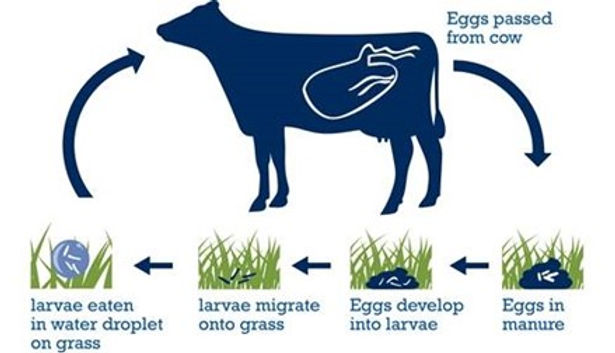
Source: MWI Animal Health
Preventing Foot Rot in Cattle
Foot rot is a bacterial infection caused by Fusobacterium necrophorum that leads to lameness, swelling and severe pain in cattle. In spring, wet and muddy conditions soften hooves, making them more prone to injuries and infections. Soft hooves are vulnerable to cuts from rocks and other ground hazards, which can open the door for bacteria to enter and cause infection.
Symptoms of Foot Rot in Cattle
Early signs of foot rot include:
Lameness and favoring one leg
Swelling and foul odor from the affected area
Formation of abscesses between the toes
If left untreated, foot rot can cause lasting damage to the foot, leading to chronic pain and potential secondary infections. It’s important to treat foot rot quickly with antibiotics and anti-inflammatories is essential for recovery.
Prevention of Foot Rot in Cattle
To reduce the risk of foot rot, keep cattle in clean, dry environments as much as possible. Additional prevention strategies include:
Foot baths to clean and sanitize hooves
Mineral supplements with zinc to strengthen hooves
Vaccinations designed to prevent foot rot
Keeping Cattle Healthy with Ralco
At Ralco, we’re committed to supporting farmers with natural, effective products. For over 50 years, we’ve helped farmers manager health and nutrition challenges with high-quality minerals, essential oil feed additives and specialized products.
Our Rumatec Cow/Calf Mineralsupplements provide balanced nutrients to help cattle withstand seasonal challenges like grass tetany and support overall health and performance.
For more information or to speak to a ruminant nutritionist contact us at todayRuminantHelp@RalcoAgriculture.com.

Rumatec Cow/Calf Mineral
The Rumatec line of cow/calf mineral supplements provides the needed nutrients commonly deficient in forages to help ensure optimum performance and reproductive efficiency.