
• Skip to main content
  • Skip to header right navigation
  • Skip to site footer
  • Careers
  • Contact Us
Logo for Ralco featuring a stylized green letter "R" with a leaf inside a yellow circle, next to the text "RALCO Nature Elevated by Science" in green letters.

Ralco Agriculture

  • Home
  • About
    • History
    • News
    • Sustainability
  • Our Science
    • Microfused® Essential Oils
    • Actifibe®
    • Microbial Catalyst®
  • Products
        • All Products
        • Swine
          • Nursery / Grow-Finish Health
          • Gestation / Lactation Health
          • Nursery Nutrition
          • Grow-Finish Nutrition
          • Specific Health Challenges
        • Poultry
        • Beef
          • Cow/Calf Health
          • Cow/Calf Nutrition
          • Feedlot Health
          • Feedlot Nutrition
        • Dairy
          • Calf
          • Cow
        • Crops & Forage
          • Crops
          • Forage
        • More Solutions
          • Aquaculture
          • Equine
          • Feed Mill
          • Organic
          • Show Animals
          • Small Ruminants
  • Resources
    • FAQs
    • Videos
    • Podcast
    • Ralco Reader Blog
  • Shop
  • Careers
  • Contact Us
Search Search
Search
A digital abstract image features green hexagons with orange outlines and circuit-like patterns, creating a futuristic and technological appearance. The background blends various shades of green and subtle glowing effects.
A light blue hexagon with a white lightning bolt symbol in the center, set against a light gray background.

Microbial Catalyst®

Ralco has led microbial innovation in agriculture since 1971. Our patented Microbial Catalyst technology activates native microbes in the rumen and the soil, releasing more nutrients and improving how feed and fertilizer are used.

A Natural Solution to Unlock More Nutrients from Soil and Feed


What is Microbial Catalyst and How Does it Work?

Microbial Catalyst is a patented bioactive technology developed by Ralco to improve the performance of both livestock and crops. Originally created to help ruminants digest forages more efficiently, it has since become a powerful solution for soil and crop health and productivity.

In livestock, Microbial Catalyst works by increasing the activity of native microbes and enzymes in the rumen, unlocking more energy from fiber (feeds and forages). In crops, it stimulates soil microbial activity and accelerates enzymatic reactions that release tied-up nutrients in fertilizer and soil. 

Whether applied to animals or plants, Microbial Catalyst helps producers make better use of what they already have, soil and feed, by improving efficiency, reducing waste and advancing results.

Why Traditional Ruminant Digestion and Soil Activity Fall Short

Both ruminant digestion and soil fertility rely heavily on microbial and enzymatic activity. However, these systems often underperform due to stress, poor-quality inputs or environmental conditions.

In livestock, low-quality forages contain energy-rich compounds like cellulose and hemicellulose, but these are difficult to access without sufficient microbial and enzymatic support. Traditional feed additives often fall short in improving fiber digestibility, leaving valuable energy locked away and wasted.

In the soil, nutrients like nitrogen, phosphorus and potassium can be bound in organic matter or unavailable to plants due to imbalanced microbial populations. Without the right enzymatic triggers, nutrient cycling slows, plant growth stalls and yield potential is lost. Microbial Catalyst solves this by accelerating the natural biological processes needed for better nutrient availability and growth.

A digital abstract image features green hexagons with orange outlines and circuit-like patterns, creating a futuristic and technological appearance. The background blends various shades of green and subtle glowing effects.

How Microbial Catalyst Works in the Rumen

Microbial Catalyst supports natural digestive processes by enhancing microbial activity and enzyme function. The result is more efficient fiber breakdown and greater energy release from forage and feed.

Stimulates Microbial Populations

Boosts Enzyme Activity

Increases Energy Availability

Supports Vitamin B12 Pathways

Microbial Catalyst activates the animal’s own microbial population, especially fungi and bacteria in the rumen. While bacteria produce enzymes that break down nutrients, fungi are critical for physically opening tough plant cell walls, unlocking more energy from forage.

A study from Southwest Minnesota State University showed that Microbial Catalyst increased bacterial enzyme activity and boosted fungal populations by two to five times.
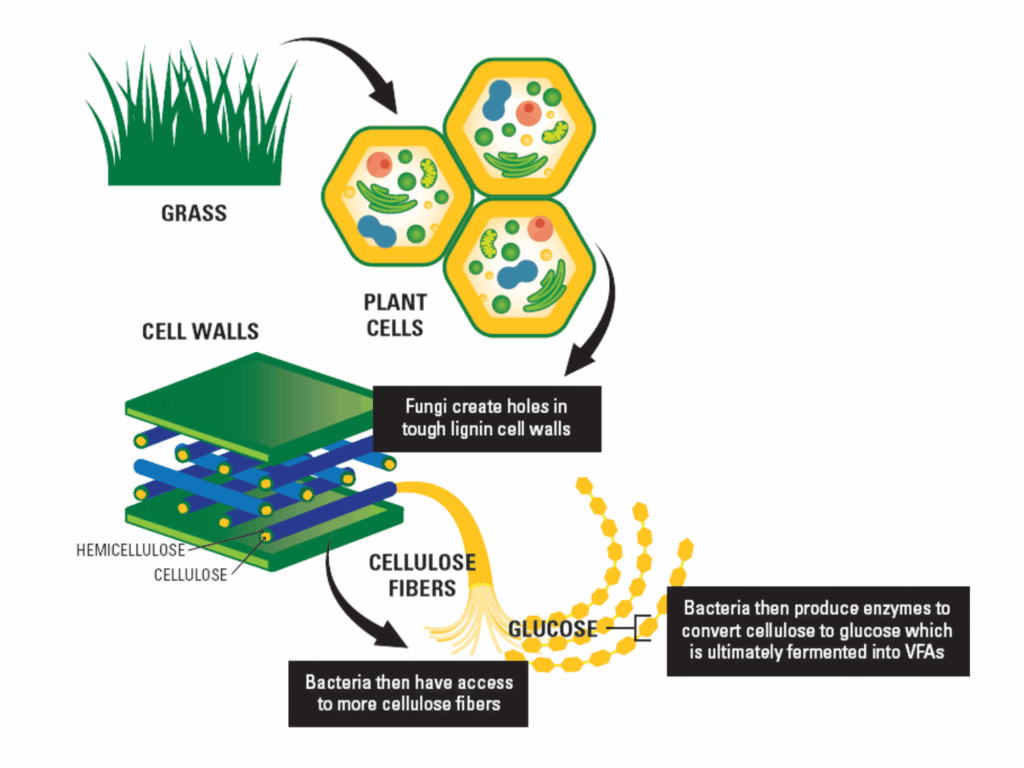
Diagram showing grass turning into plant cells with cell walls. Fungi create holes in these walls, exposing cellulose fibers. Bacteria then access the fibers, convert cellulose to glucose, which is fermented into VFAs.

Enzymes are biological catalysts essential for breaking down complex plant structures like cellulose. Microbial Catalyst acts as a cofactor to accelerate these reactions, allowing microbes to work faster and more efficiently to release glucose.
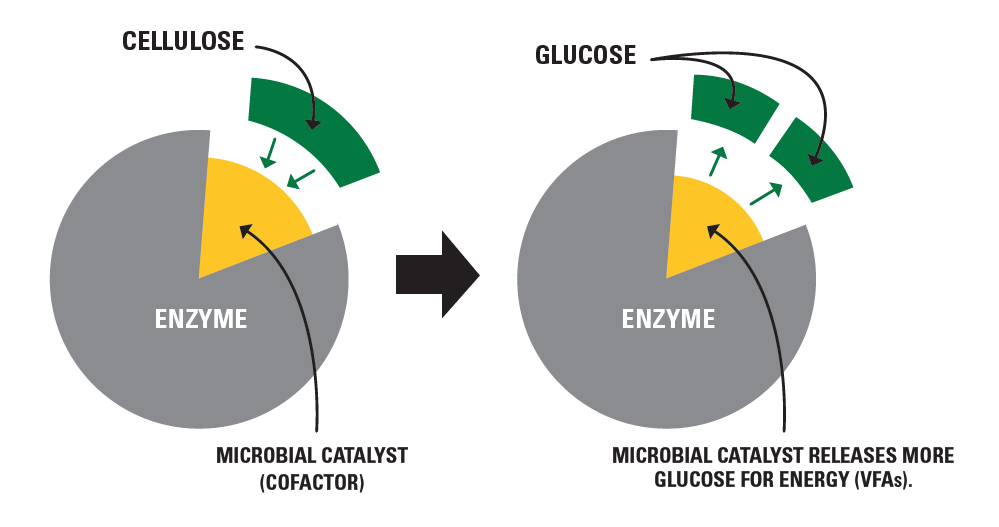
Diagram showing two enzyme-catalyst processes: Left, an enzyme with a microbial catalyst breaks down cellulose. Right, the enzyme with catalyst releases more glucose for energy (VFAs), highlighting enhanced glucose release.

Cellulose is broken down into glucose, which is then fermented into volatile fatty acids (VFAs) such as acetate, propionate and butyrate. These are the primary energy sources for ruminants.

Propionate requires vitamin B12 to be converted into glucose. Microbial Catalyst also enhances both B12 production and propionate availability, improving glucose output for milk, fetal development and nervous tissue.
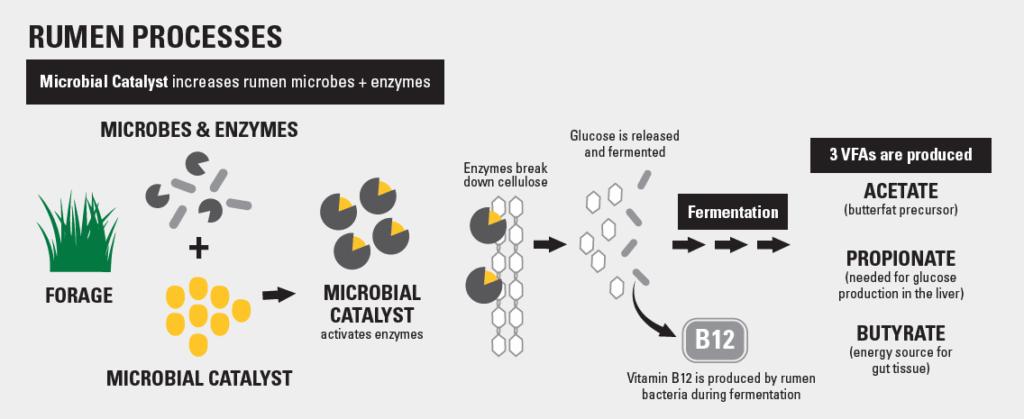
Flowchart showing rumen processes: Forage feeds microbes and enzymes; a microbial catalyst activates enzymes, breaking down cellulose. Glucose is released, fermented, and creates B12 and three VFAs: acetate, propionate, and butyrate.
A digital abstract image features green hexagons with orange outlines and circuit-like patterns, creating a futuristic and technological appearance. The background blends various shades of green and subtle glowing effects.

How Microbial Catalyst Works in the Soil

Soil already holds the potential to feed your crop, it just needs the right biological push. Microbial Catalyst works with your soil, not against it, to improve nutrient availability and plant performance. Essentially, Microbial Catalyst technology works as a key to unlock enzymes and release more nutrients for better growth and long-term soil health.

Stimulates Microbial Populations

Unlocks Tied-Up Nutrients

Improves Root and Plant Health

Increases Yield Potential

Just like in the rumen, Microbial Catalyst enhances native microbial activity in the soil. This creates a healthier, more diverse ecosystem capable of improving nutrient uptake and growth

Explore Our Actifibe Technology

Nutrients bound in organic matter or soil particles become more available through accelerated enzymatic reactions. This improves fertilizer efficiency and reduces the need for additional inputs.
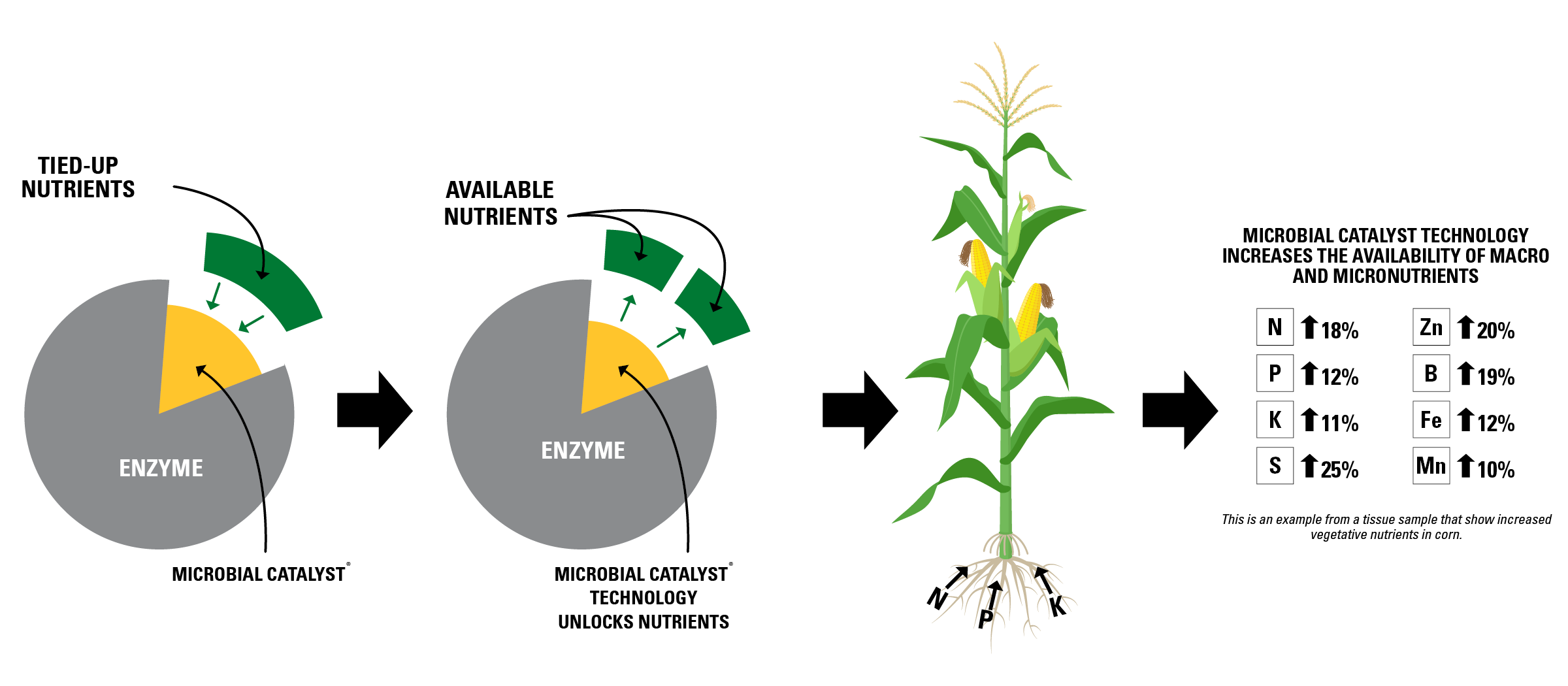
A diagram shows microbial catalysts unlocking tied-up nutrients, making them available for a corn plant. The plant receives increased N, P, K, S, Zn, Fe, and Mn, leading to better growth and nutrient uptake.

Plants supported by healthier soil microbes develop deeper roots, larger biomass and greater resilience to stress like drought, wind or compaction.
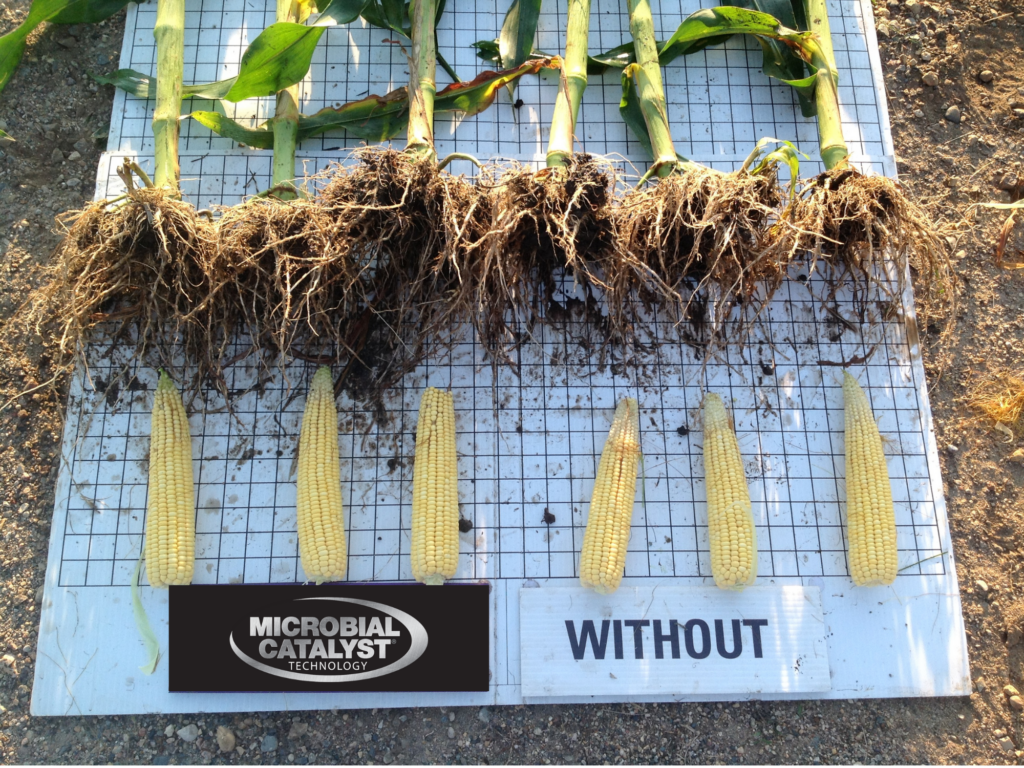
Six corn plants with roots displayed on a grid, each with an ear of corn below. The corn is labeled "WITHOUT MICROBIAL CATALYST TECHNOLOGY," indicating the absence of this technology in the crop.

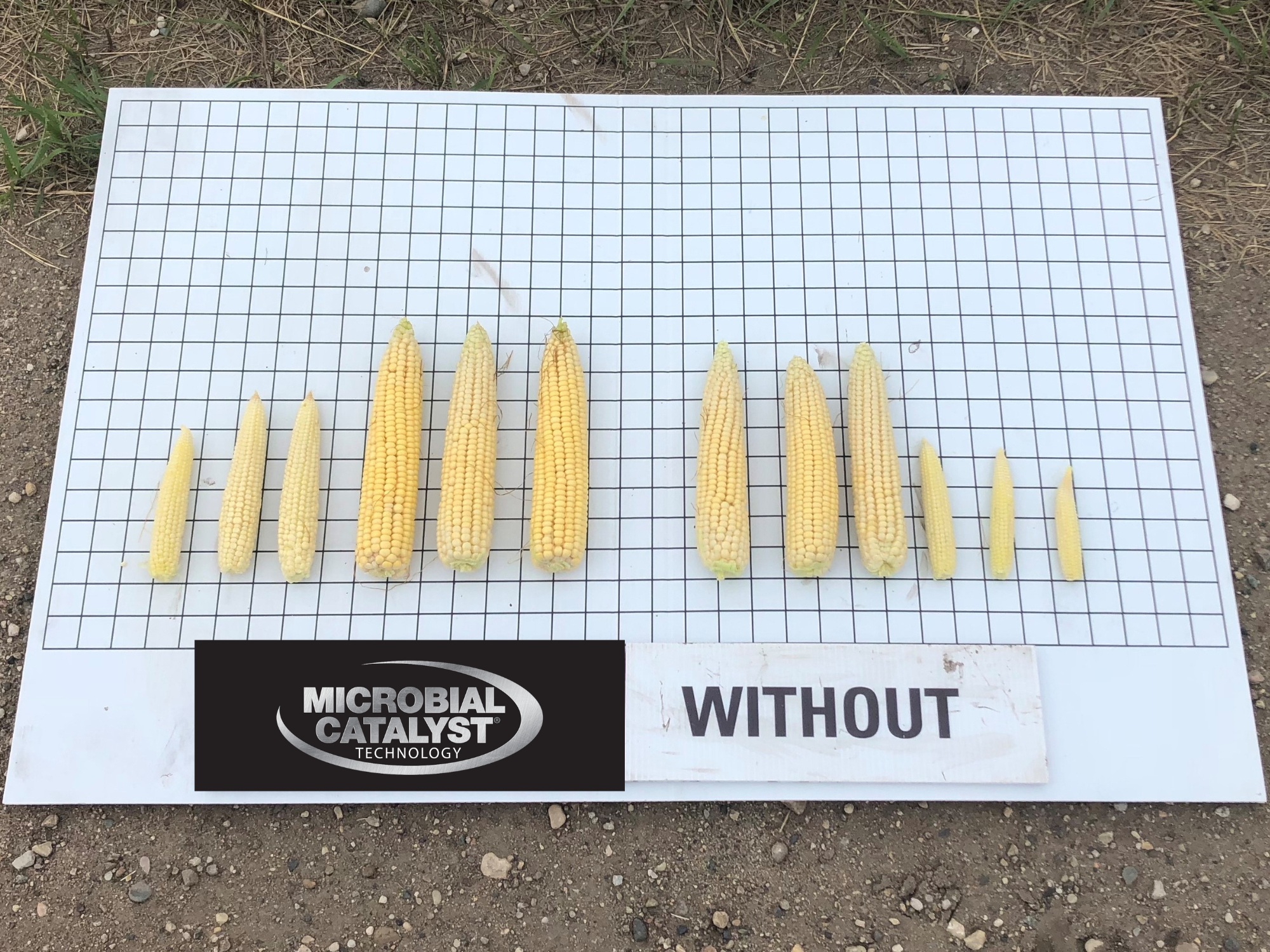
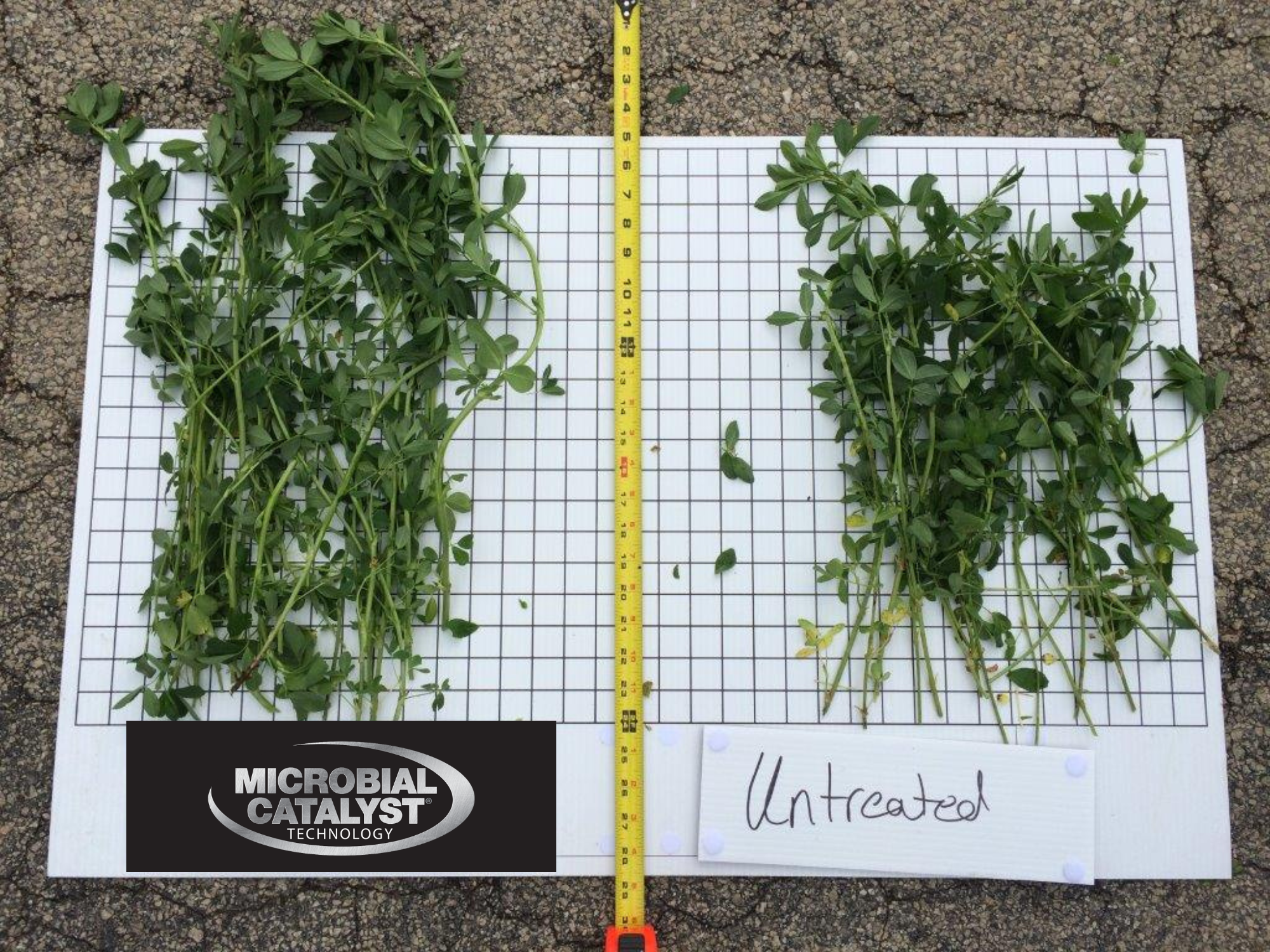
Field trials consistently show improved emergence, healthier plants and measurable yield gains across corn, soybeans and other crops.
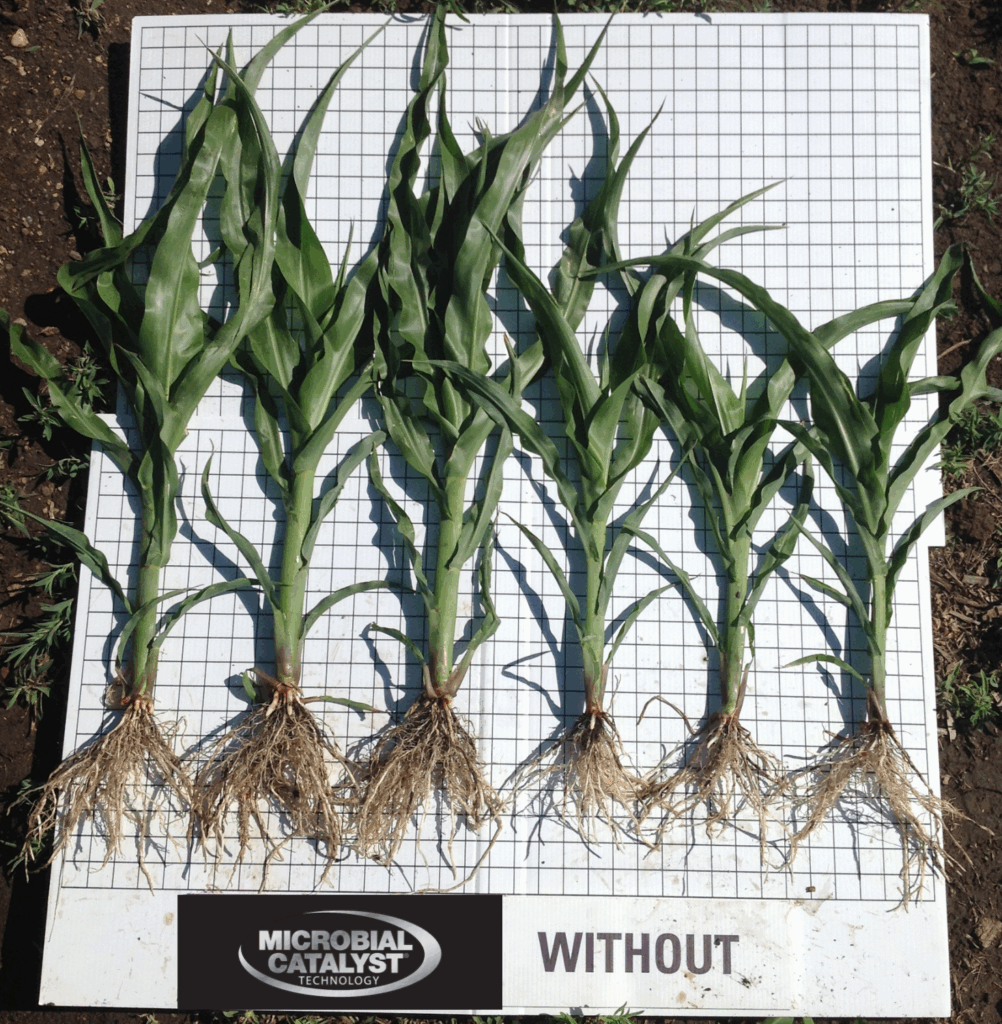
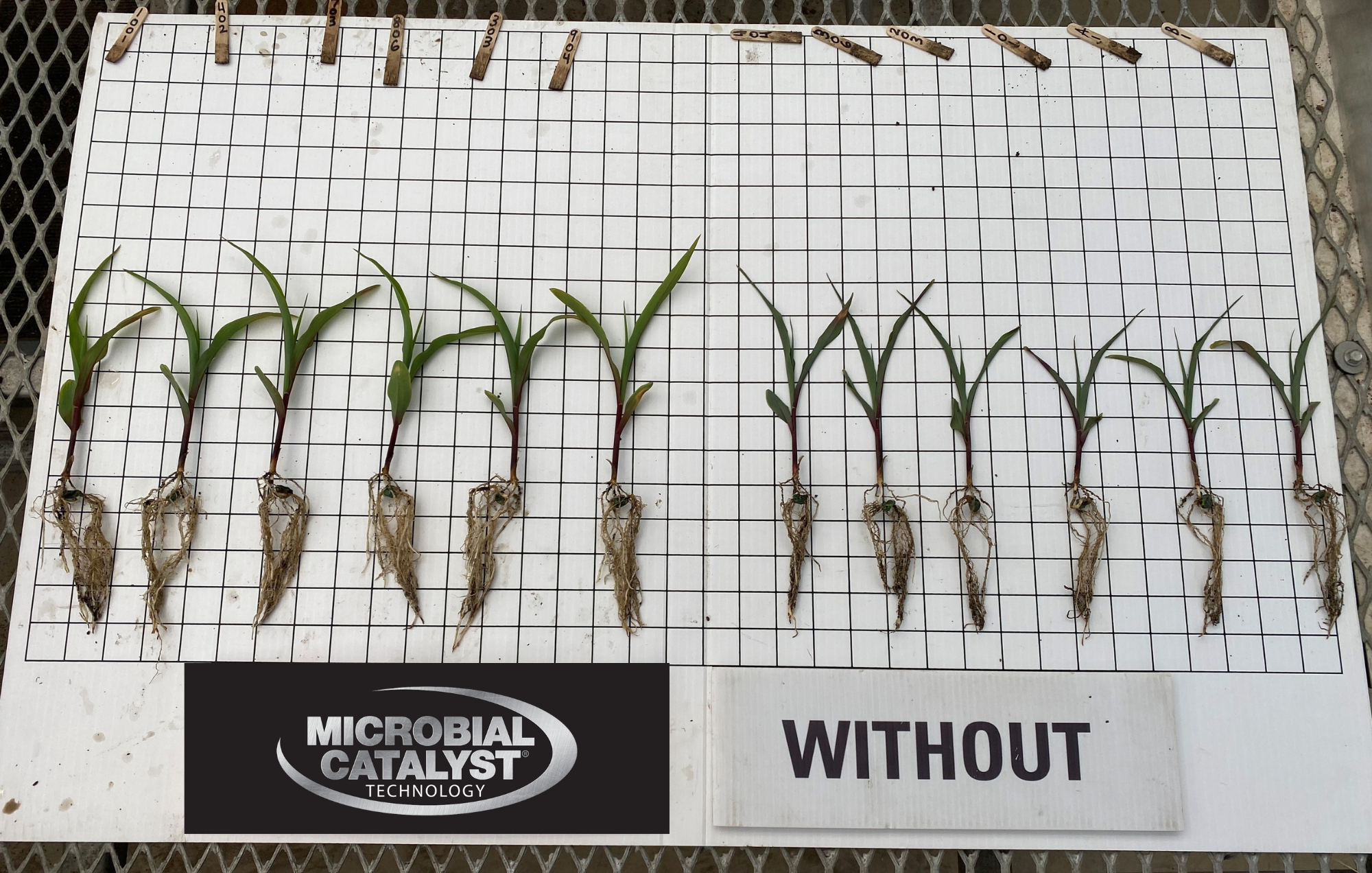
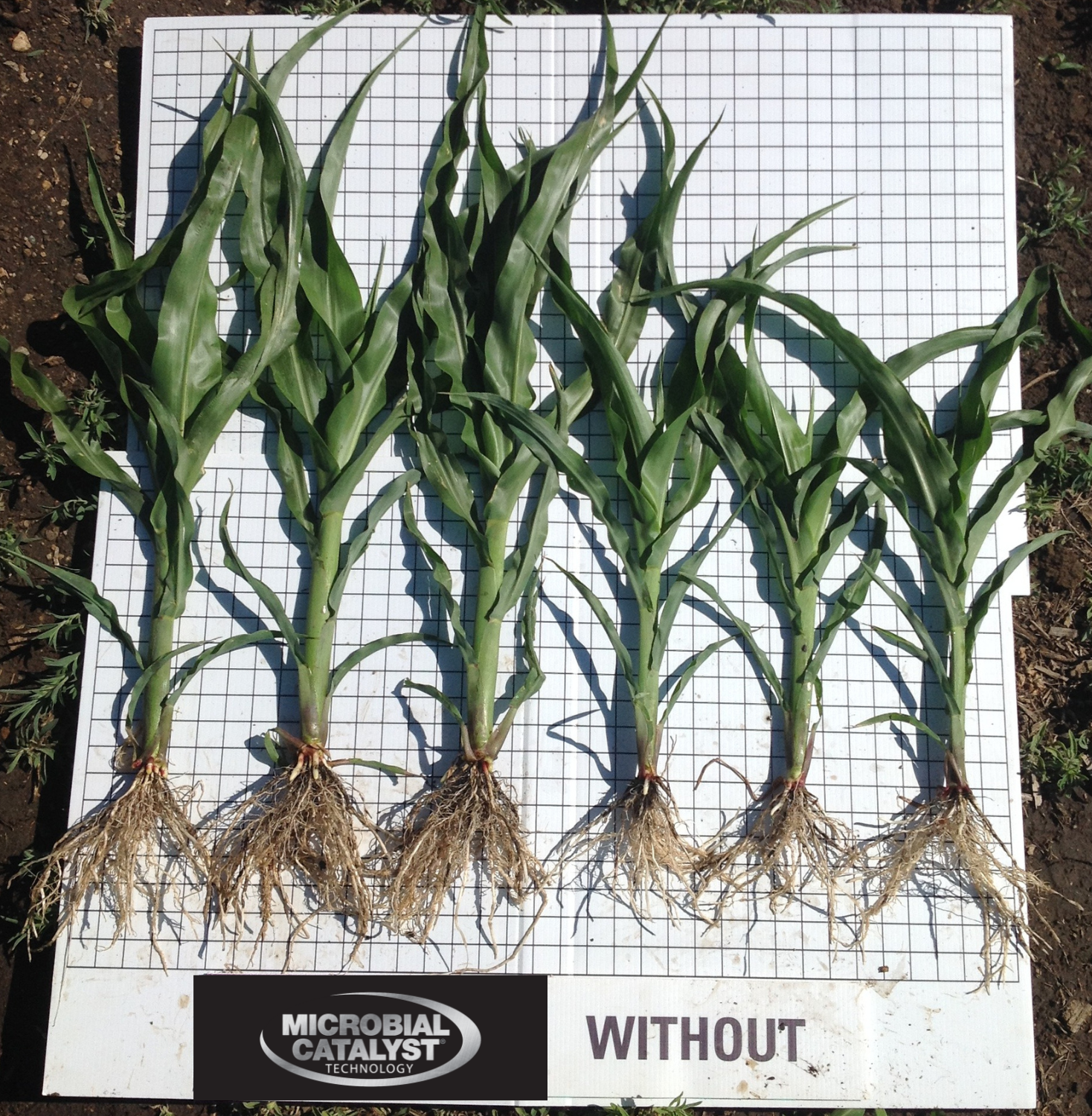
Five corn plants with well-developed roots labeled “MICROBIAL CATALYST TECHNOLOGY” are shown next to five smaller corn plants with less developed roots labeled “WITHOUT,” on a grid background for comparison.

Research-Proven Performance

Livestock Highlights

Research from university and producer studies confirm consistent performance improvements:

  • +0.4 lbs. average daily gain in calves
  • +14 lbs. increase in weaning weight
  • +0.33 improvement in body condition score
  • +9% increase in timed AI pregnancy rate
  • Total value gain: $70/cow from growth, condition and reproduction

Additionally, several electron microscopy images (shown below) confirm more advanced cell wall breakdown in forage treated with Microbial Catalyst, helping livestock access more energy from the same feed.
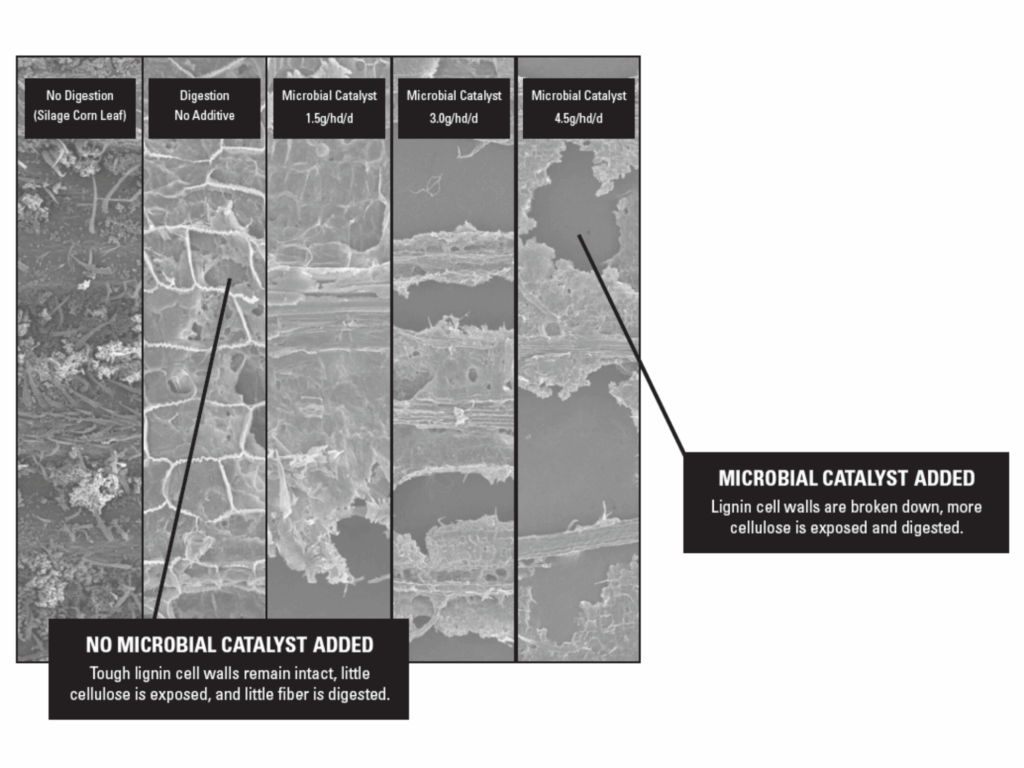
Four microscopic images of silage corn leaf show increasing breakdown of lignin as microbial catalyst dosage increases. The first image shows intact fibers; later images reveal more exposed and digested cellulose.

Soil and Crop Highlights

University and on-farm research show strong results for soil health and crop productivity:

  • +6.7 bu/acre increase in corn yield
  • +2.4 bu/acre increase in soybean yield
  • Greater root mass, improved emergence, and stronger biomass
  • Better nutrient cycling and overall plant health
  • +18% increase in microbial biomass (PLFA analysis)
  • +10.4% increase in microbial diversity
  • +22% increase in microbial respiration (Haney test)

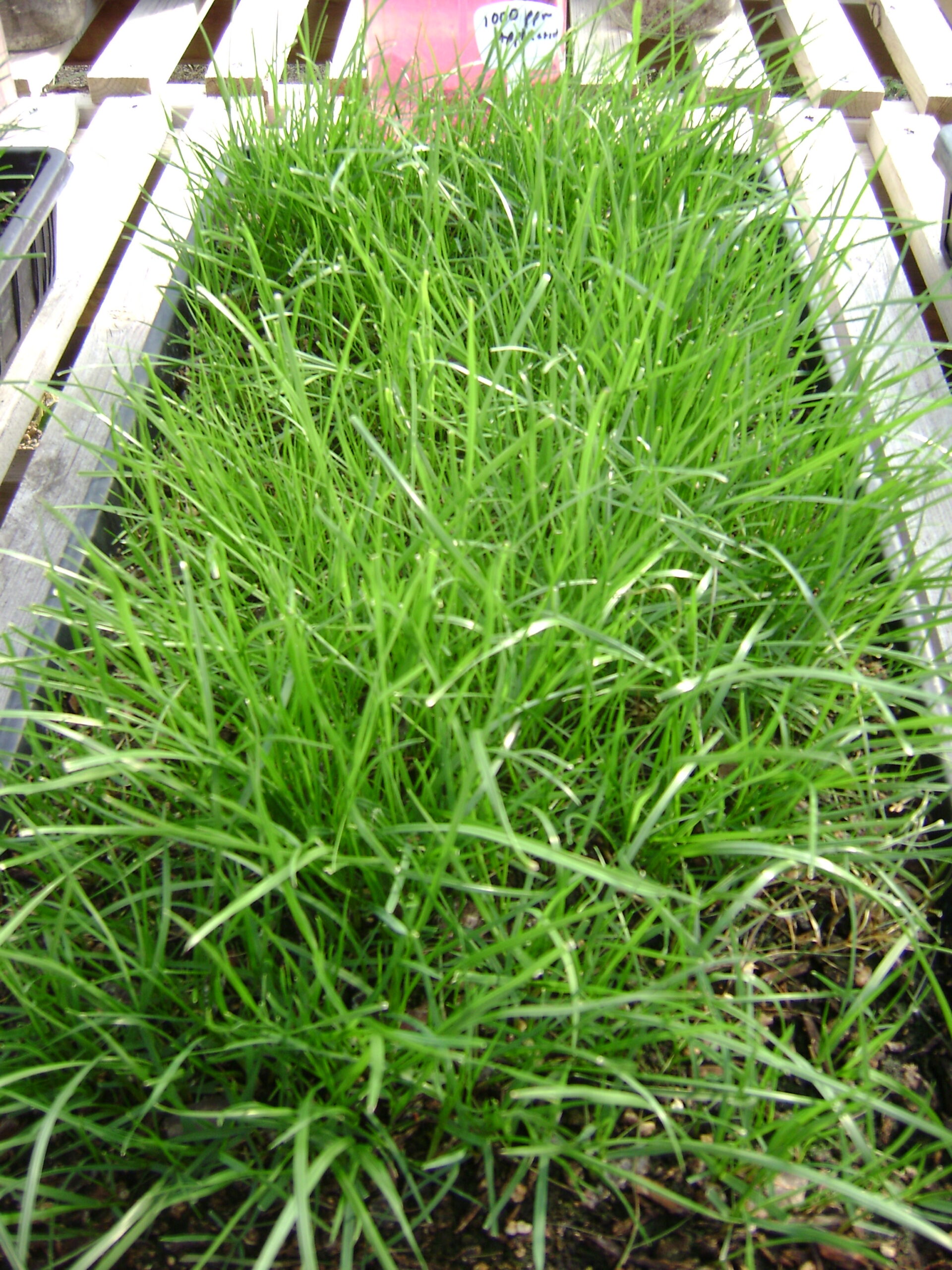
These images show the first greenhouse trial of Microbial Catalyst on plants in the early 2000s.
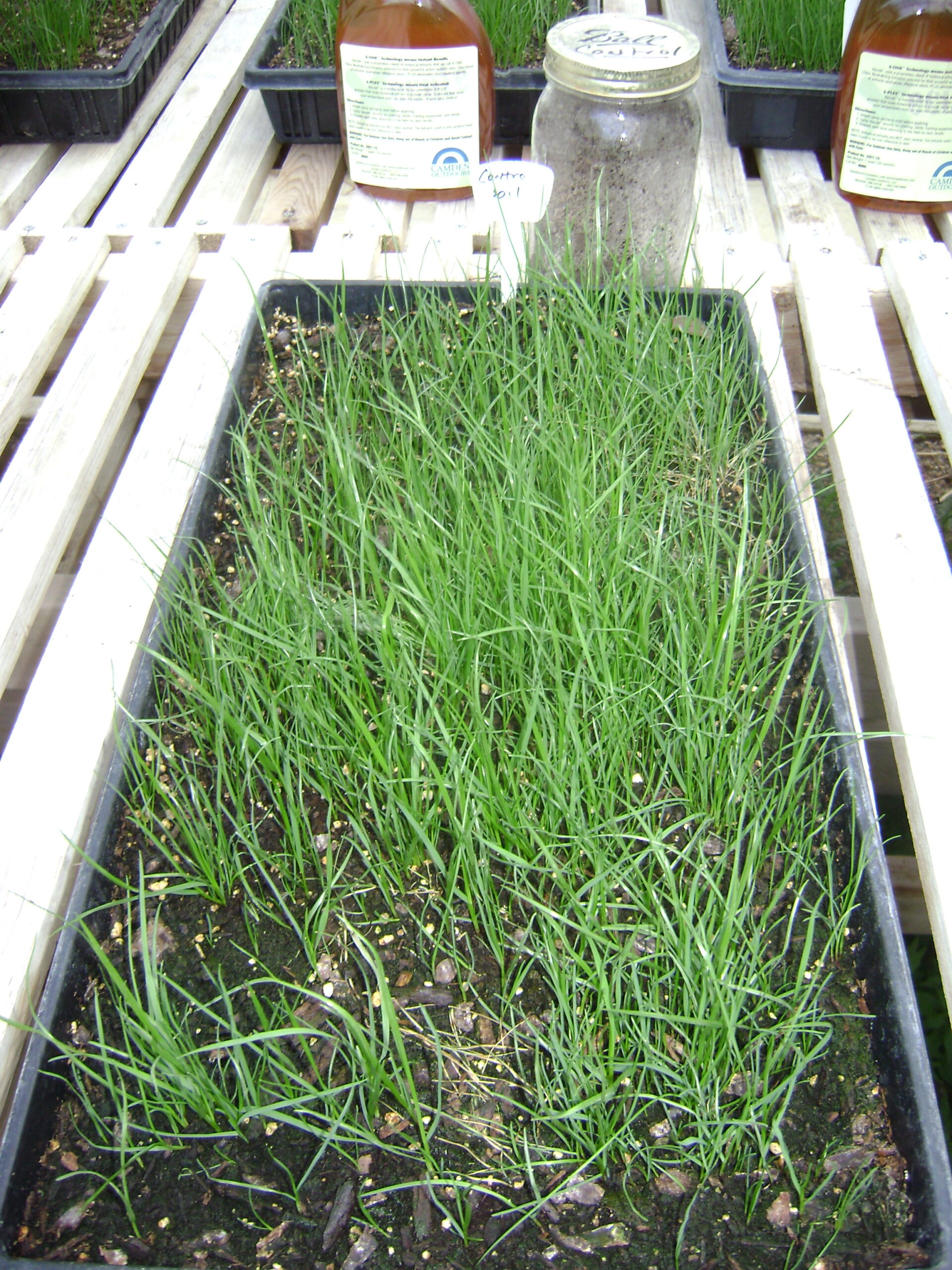
A black tray filled with young, thin green onion seedlings growing in soil. The tray is on a wooden surface near a glass jar and brown bottles in the background.
Control
A close-up view of healthy, green grass seedlings growing densely in a rectangular tray on a wooden slatted surface.
Treated with Microbial Catalyst

.

Corn seedlings with roots are arranged on a grid board. The left side, labeled "MICROBIAL CATALYST TECHNOLOGY," shows larger, healthier plants; the right side, labeled "WITHOUT," shows smaller, less developed plants.
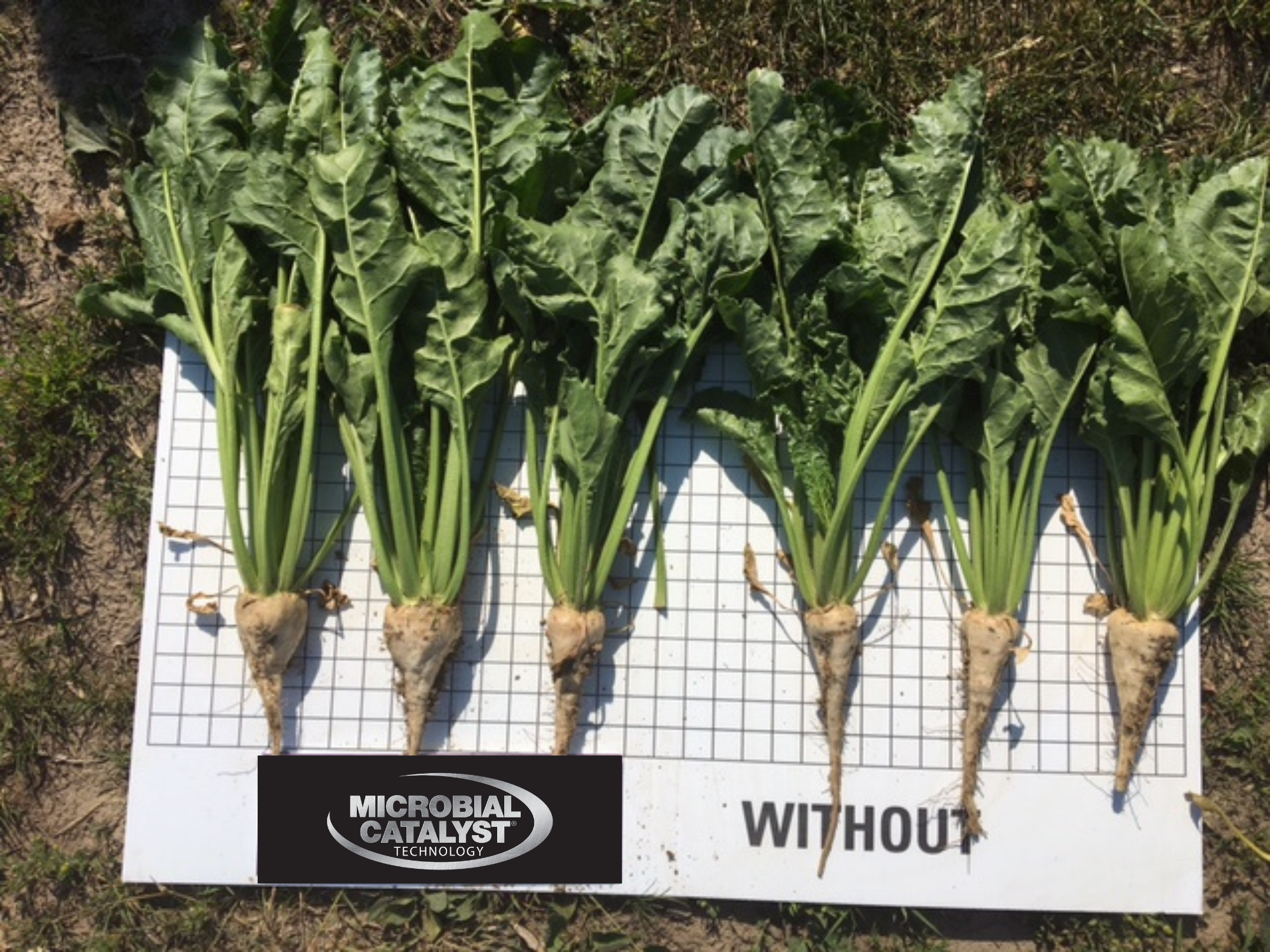
Six sugar beets with green leaves are laid out on a grid board labeled "WITHOUT" and "MICROBIAL CATALYST TECHNOLOGY," showing root size and shape for comparison. The beets are displayed outdoors on grass.
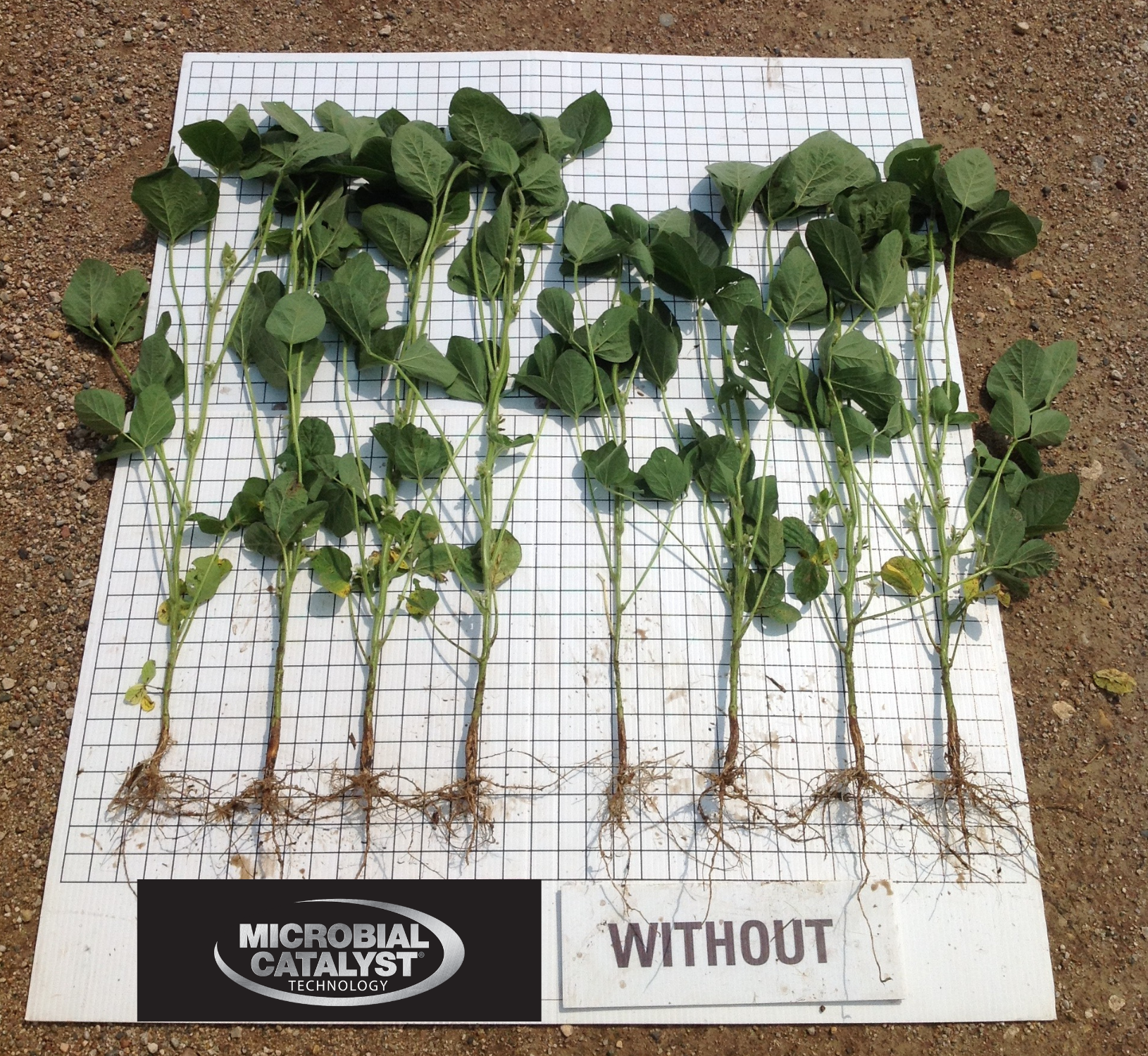
Several uprooted plants are arranged on a grid. The left group, labeled "MICROBIAL CATALYST TECHNOLOGY," appears healthier and taller than the right group, labeled "WITHOUT," which looks shorter and less robust.
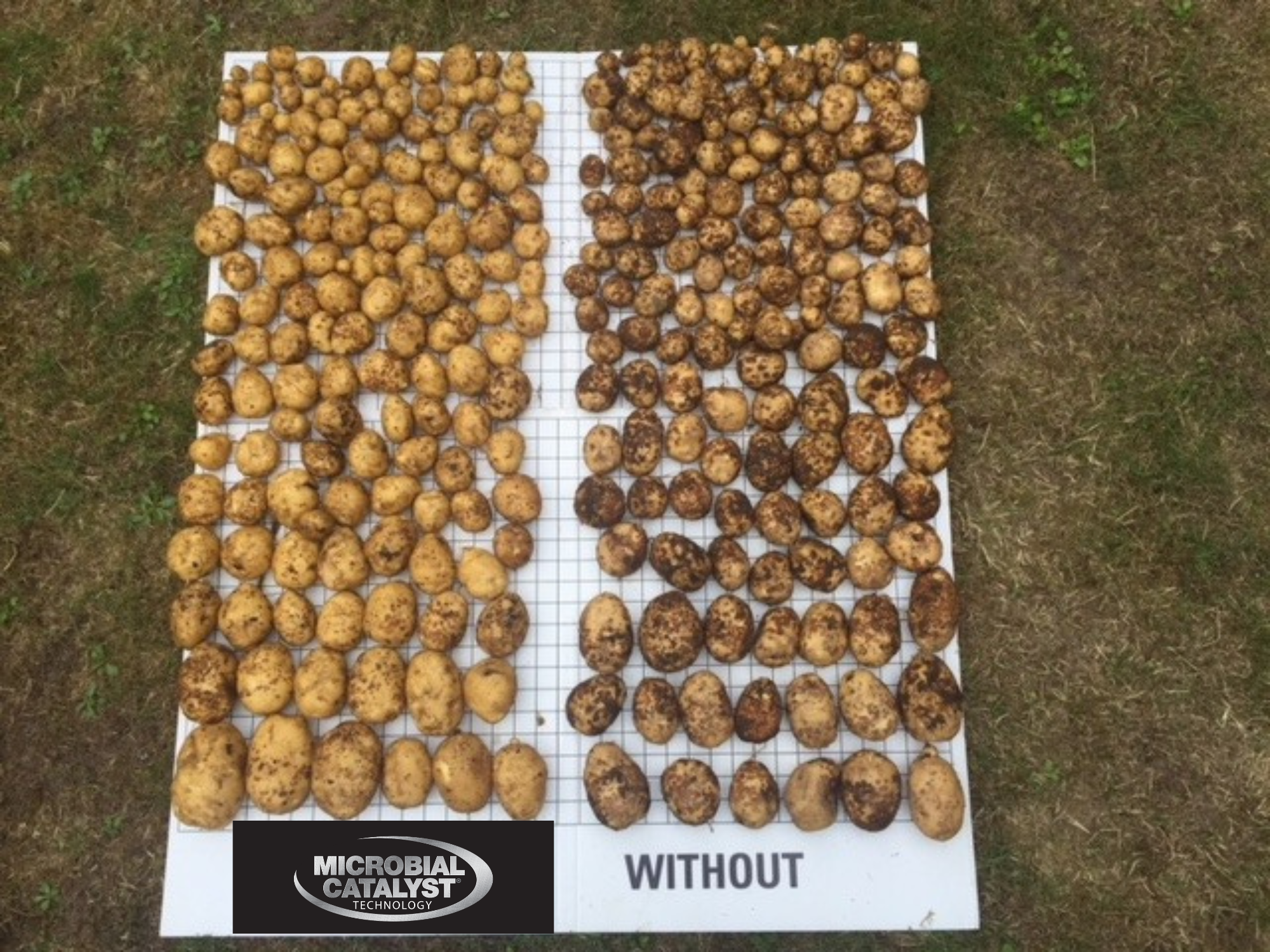
A grid shows two groups of harvested potatoes: the left side, labeled "MICROBIAL CATALYST TECHNOLOGY," has larger and more potatoes, while the right side, labeled "WITHOUT," has fewer and smaller potatoes.
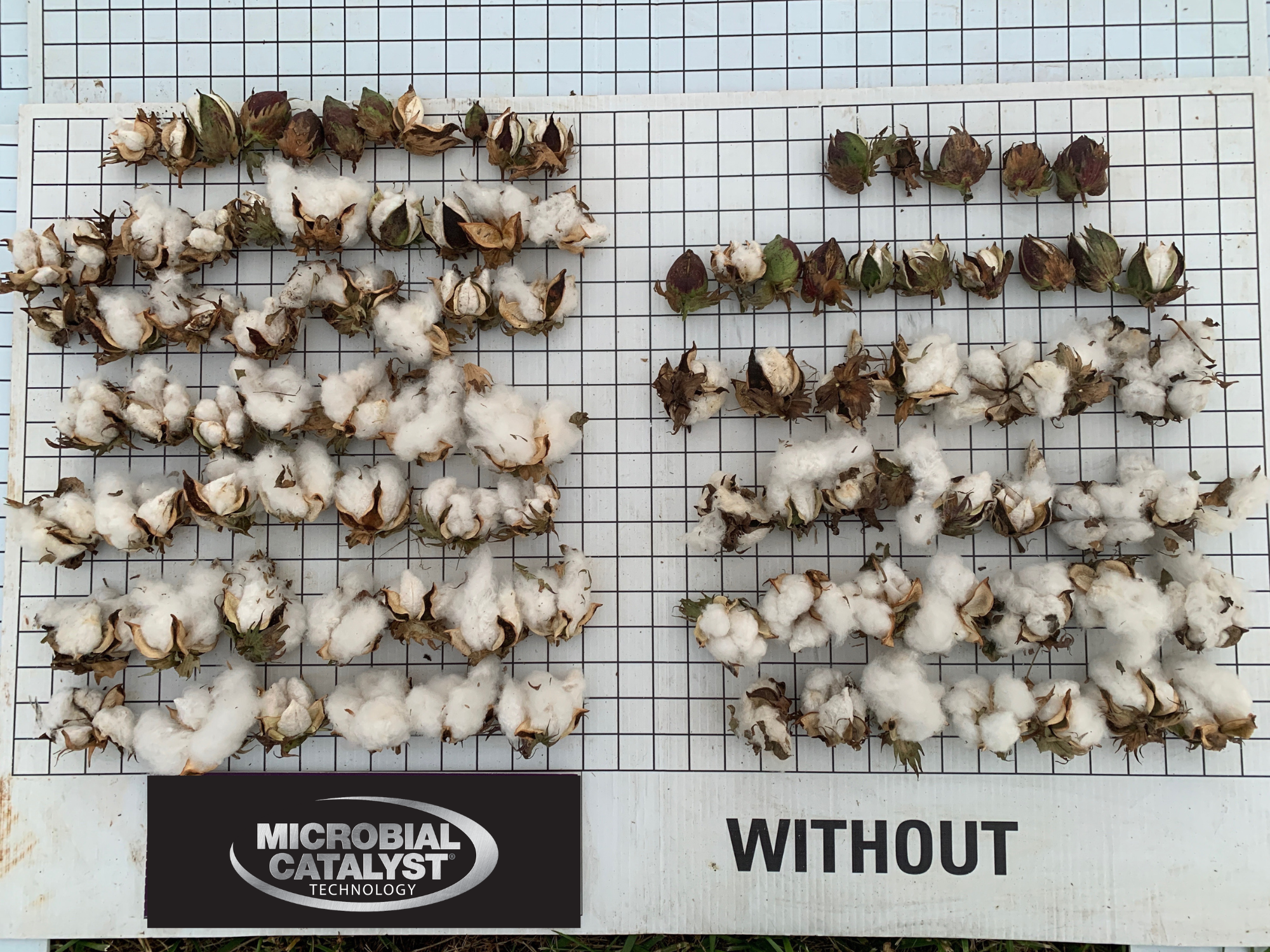
Cotton bolls are displayed in two sections on a grid: the left side labeled "MICROBIAL CATALYST" shows larger, fuller cotton bolls, while the right side labeled "WITHOUT" shows fewer, smaller, underdeveloped bolls.
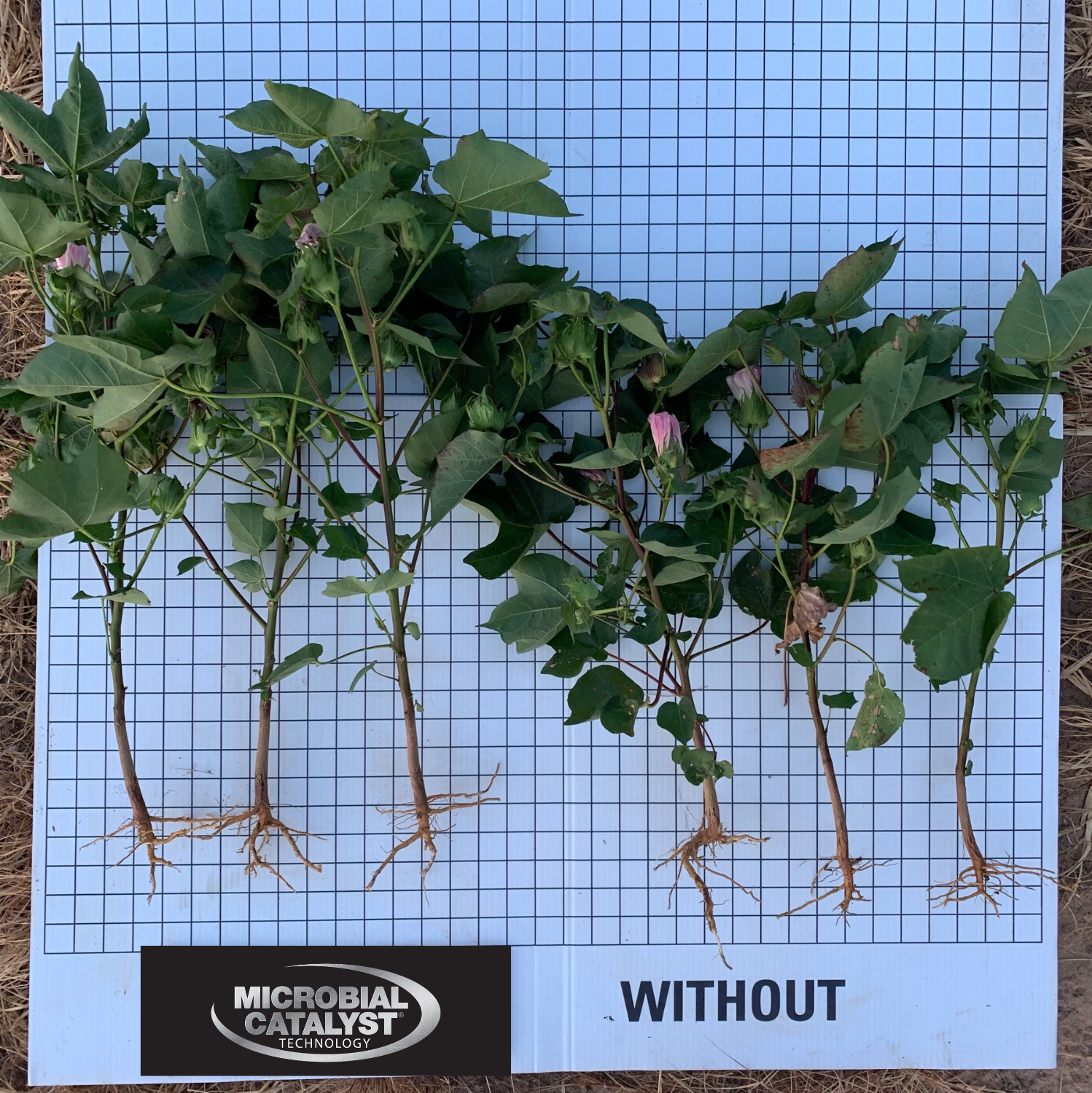
Six green cotton plants with visible roots are laid out on a grid background labeled “WITHOUT” and “MICROBIAL CATALYST Technology.” The plants appear less robust, with varying stem heights and some smaller roots.
Five corn plants with well-developed roots labeled “MICROBIAL CATALYST TECHNOLOGY” are shown next to five smaller corn plants with less developed roots labeled “WITHOUT,” on a grid background for comparison.
Two rows of corn ears displayed on a grid board outdoors. The left row, labeled "MICROBIAL CATALYST TECHNOLOGY," has larger and fuller corn compared to the right row, labeled "WITHOUT," which shows smaller and less developed ears.
Two groups of green plants are displayed on a grid board, separated by a yellow measuring tape. The left group is taller and fuller. A sign reads "Untreated" under the right group. Logo: "Microbial Catalyst Technology.
Two light blue chevrons or arrows pointing to the right on a light background.

Explore Our Other Technologies

Learn More
A light blue droplet-shaped logo with a smaller white droplet outline inside and a circular shape at the center, set against a white background.

Optimized Essential
Oils & Extracts

Learn More
A light blue circle containing simple white icons representing various microbes, such as bacteria and viruses, on a white background.

Targeted
Prebiotic Support

Learn More
Digital illustration of blue rod-shaped bacteria floating against a blurred blue background, representing microscopic organisms in a scientific or medical context.

Want to Unlock More from Your Feed or Fertilizer?

Microbial Catalyst helps you make better use of your most expensive inputs, feed and fertilizer, by activating the microbes already present in the rumen or soil. Let us help you apply it where it makes the biggest difference. Request a free consultation with a Ralco representative to get started!

Request a Free Consultation

FAQs About Microbial Catalyst

What is Microbial Catalyst?

A patented bioactive that stimulates microbial activity and enzyme function in both ruminants and soil systems to unlock more nutrients and energy.

How does it support digestion in ruminants?

It boosts the activity of native fungi and bacteria in the rumen, allowing for better breakdown of fiber and more efficient conversion into glucose and VFAs. The key sources of energy for livestock.

What role do fungi and bacteria play?

Fungi disrupt the tough outer layer of forage fibers, allowing bacteria to access and digest the cellulose inside. This teamwork results in higher energy extraction.

What is the energy value of Microbial Catalyst in cattle?

Feeding Microbial Catalyst is similar to adding an extra pound of corn per cow per day in energy availability, but without the added cost or risk of digestive upset.

How does it work in the soil?

It activates native soil microbes and serves as a cofactor for enzyme reactions that release nutrients bound in organic matter or fertilizer, improving nutrient availability and plant performance.

Is it safe for my animals and crops?

Yes. Microbial Catalyst has been validated by extensive research in both animal and crop applications. It is safe, effective and easy to integrate into existing management systems.

What makes Microbial Catalyst different from other microbial or enzyme products?

Microbial Catalyst uses patented chemistry that’s exclusive to Ralco. Unlike typical products that add microbes or enzymes, Microbial Catalyst stimulates native microbial activity by unlocking nutrients that are otherwise unavailable.

It transforms insoluble trace minerals into a highly soluble form, making them 100% available to plants and microbes.

This improved solubility helps support the natural production of:

  • Amino acids
  • Macro and micro nutrients
  • Energy
  • Vitamins
  • Hormones

Whether applied to feed or soil, this chemistry enhances microbial efficiency and leads to better nutrient conversion, stronger plant growth and improved animal performance.

What kind of forages does Microbial Catalyst work best on for cattle?

Microbial Catalyst is especially effective on low-quality forages that are high in fiber and difficult for cows to digest, such as mature grasses, corn stalks, straw or weathered hay. These forages often have tightly bound plant cell walls that limit nutrient availability.

By stimulating native rumen microbes, Microbial Catalyst helps break down these tough fibers more efficiently. This improves digestibility, unlocks more energy and helps animals get more value from lower-cost, lower-quality feeds.


Choose a Species

A colorful, geometric, low-poly illustration of a chicken with shades of green, yellow, orange, and red, standing on two legs and facing right on a white background.

Poultry

A colorful, geometric low-poly illustration of a pig sitting and facing slightly to the right, featuring vibrant shades of pink, yellow, green, blue, and orange.

Swine

A geometric, low-poly illustration of a cow featuring shades of teal, green, orange, yellow, and red, standing and facing forward on a white background.

Dairy

A colorful, geometric illustration of a cow, featuring shades of green, yellow, blue, and red, with a faceted, polygonal design on a white background.

Beef

Let’s Tackle Your Toughest Challenge

If there’s a problem holding your operation back, we’re here to help you solve it. If you’re ready for products that bring together nature and science, let’s talk!

Ralco News

A large group of yellow chicks stand and walk on wood shavings inside a brightly lit indoor poultry farm. The environment appears crowded with many chicks in the background.

Keep Coccidiosis from Disrupting Flock Performance

Coccidiosis remains one of the most common and costly digestive challenges in poultry production, …
Read moreKeep Coccidiosis from Disrupting Flock Performance
A gloved hand holds a test tube containing a yellow liquid and green leaves, suggesting a scientific experiment with plants.

Are All Oregano Essential Oils the Same in Poultry Production?

In commercial poultry production, oregano essential oil is often treated like a commodity …
Read moreAre All Oregano Essential Oils the Same in Poultry Production?
Several young pink pigs stand closely together on a slatted floor inside a barn or indoor pen, looking towards the camera. The environment appears clean but industrial.

New Research on When Essential Oils Deliver the Most Value in Swine Production

For years, essential oils have lived in a gray area within livestock production. They’re talked …
Read moreNew Research on When Essential Oils Deliver the Most Value in Swine Production
Ralco logo with a green vertical bar and a leaf inside a yellow circle, next to the word "RALCO" in white, and the tagline "Nature Elevated by Science" below.
Four faded certification logos in a row, including HALAL, RMPP, GMP+, and FAMIQS, on a light background. Text and images within the seals are barely visible.

Subscribe for news and updates

Home
About
Our Science
Shop
Resources
Careers
Contact Us
Call 1 (800) 533-5306

  • Facebook
  • Instagram
  • YouTube
  • LinkedIn

Copyright © 2026 · Ralco Agriculture · All Rights Reserved · Privacy Policy

We use cookies to enhance your browsing experience, serve personalized ads or content, and analyze our traffic. By accepting, you agree to our use of such cookies. Privacy Policy