
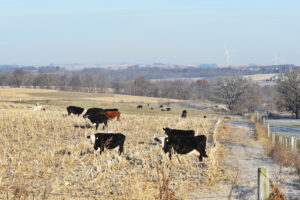
Feeding cattle harvested forages all winter can be expensive. This is especially true in drought years when pastures dry up sooner than expected or in regions with intense snowfall records.
Farmers and ranchers have options to minimize winter feed bill costs. Planting cool-season grasses, implementing winter grazing strategies, increasing the digestibility of low-quality forages, and feeding alternative low-cost forages can all help feed cattle sufficiently without breaking the bank.
Selecting the Best Winter Forages for Cattle
When selecting winter forages, it’s essential to pick a mix of varieties that will grow well in your region. Winter forages can vary by area and be impacted by rainfall, time of planting, fertilization, seed depth, soil texture, pH and grazing pressure. It’s best to select a diverse mix of six to eight forage species based on your area, rainfall, goals and economics.
According to Mississippi State University, a good winter forage supply can help sustain livestock for up to five months. Cool-season crops, such as winter wheat, oats, vetch, cereal rye, clover, triticale, turnips, radishes, annual ryegrass, kale, and fescue, are some of the best crops for growing in cooler temperatures in the spring and fall.
The best winter grazing varieties in the Midwest are cover crops such as cereal rye, radishes, turnips, annual ryegrass, oats and triticale.
To select the right variety for your area and production goals, try a cover crop calculator like this one from the Midwest Cover Crop Councils, or contact your local Natural Resources Conservation Service plant specialists to help choose what crops best fit your operation.
Always implement proper grazing strategies to limit the waste of your winter forages. Rotational or intensive grazing strategies can help maximize forage growth and avoid loss due to trampling.
Mineral Supplement with Winter Forages
Most winter crops are high in energy and nutrients but low in magnesium and calcium. This can lead to grass tetany or wheat pasture poisoning, called “winter tetany.”
Grass tetany is caused by low levels of magnesium in the blood of cattle. Grass tetany is more common in the spring but can occur in the fall, as cattle begin grazing on forages high in potassium. High potassium levels can decrease magnesium absorption, causing low blood magnesium in cattle.
Wheat pasture poisoning – or winter tetany – occurs when there are low levels of calcium in cattle’s blood. Most common in Texas and Oklahoma cattle on wheat pasture in the winter, potassium levels in early wheat can also interfere with the absorption of calcium and phosphorus in the body.
Treatment of tetany typically includes an IV injection of calcium-magnesium and a mineral supplement containing a high level of magnesium (10%) and calcium (15-20%). For prevention, minerals containing highly available magnesium and calcium should be provided with a daily intake ranging from 2-4 ounces. Take note that when dealing with macro-minerals like calcium and magnesium, cattle will need to consume closer to the 4-ounce mark to ensure enough calcium and magnesium are consumed.
If cattle are grazing corn stalks, they’ll also need supplementation. Cattle sort corn stalks for dropped grain, husks and leaves and disregard the stalks. Corn stalks are paired best with a mineral high in crude protein to help rumen microbes extract more energy from low-quality stalks.
So, what’s the best mineral recommendation for winter forage crops? It depends. Developing the right mineral program depends on forage type, age of cows, goals, equipment, etc. A ruminant nutritionist can help you customize the right mineral for your operation. But it’s always recommended to use a mineral with winter forages.
How Long Can Cattle Graze in the Winter?
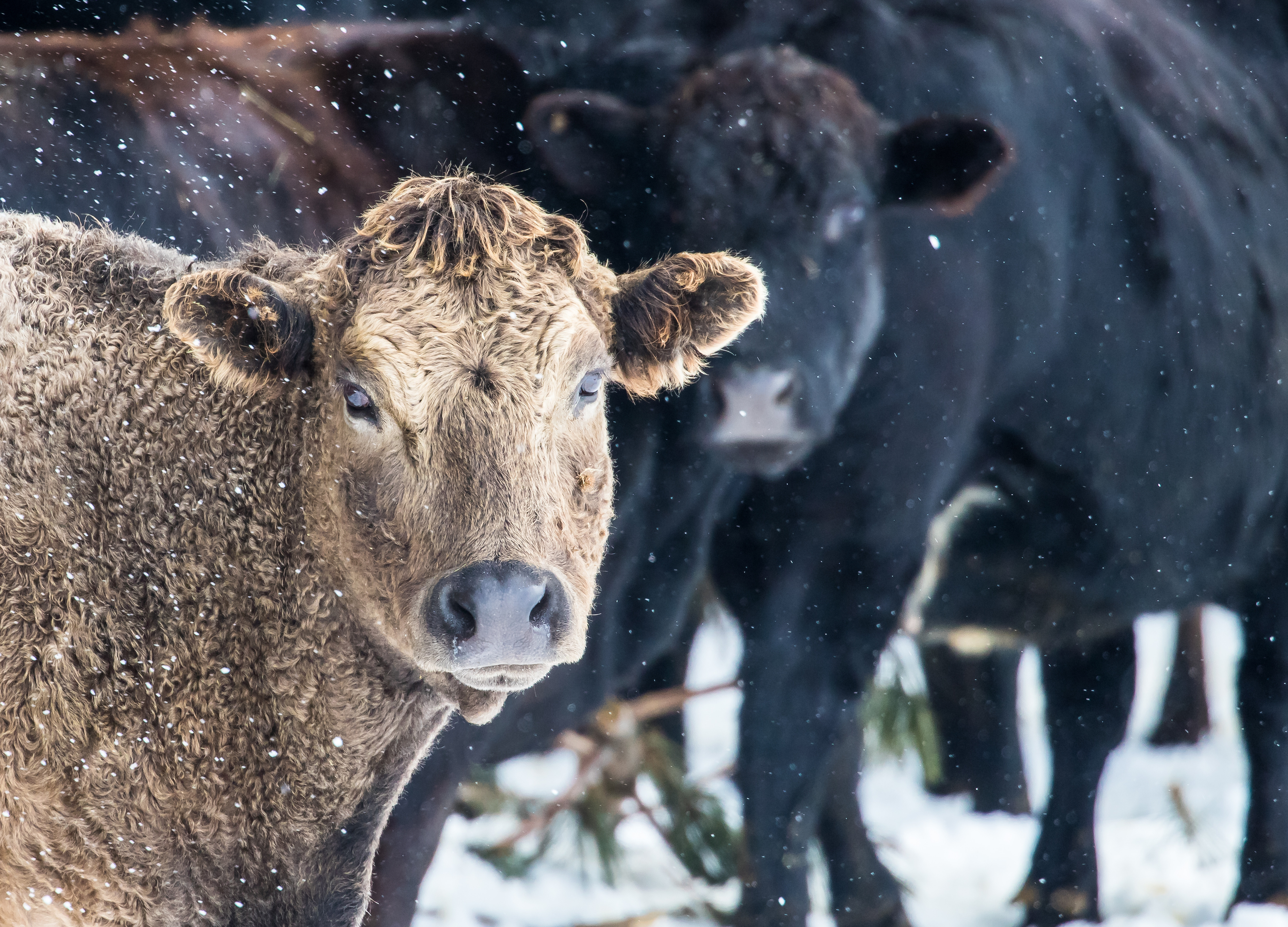
Feeding harvested forages requires equipment, fuel and time to harvest your own. It’s always more economical to bring the cows to the forage than the forage to the cow. But how long can cattle graze in the winter?
A good rule of thumb is that cattle can still graze in the winter if you can reach through the snow (typically 4-7 inches) and grab a chunk of forage or corn stalks. In the event of an ice storm, cattle will no longer be able to graze, and some form of harvested forage should be supplemented.
It’s important to note that if your cattle are grazing corn stalks and a field has dropped ears from storm damage, cattle may get too much grain and suffer from bloat. Always scout fields before turning cattle out on stalks to determine the amount of corn left in the field.
According to Beef Magazine, if more than 8-10 bushels of corn are on the ground per acre, your cattle are at risk of bloat. In this case, implementing rotational or intensive grazing strategies can help limit the amount of corn cattle can eat in a day.
When the snow becomes too deep, or there’s too much icy rain, harvested forages should be used. Implementing ways to reduce bale waste can help save thousands of dollars in forage costs.
Feed Low-Cost Corn Stalks and Forages When You Can
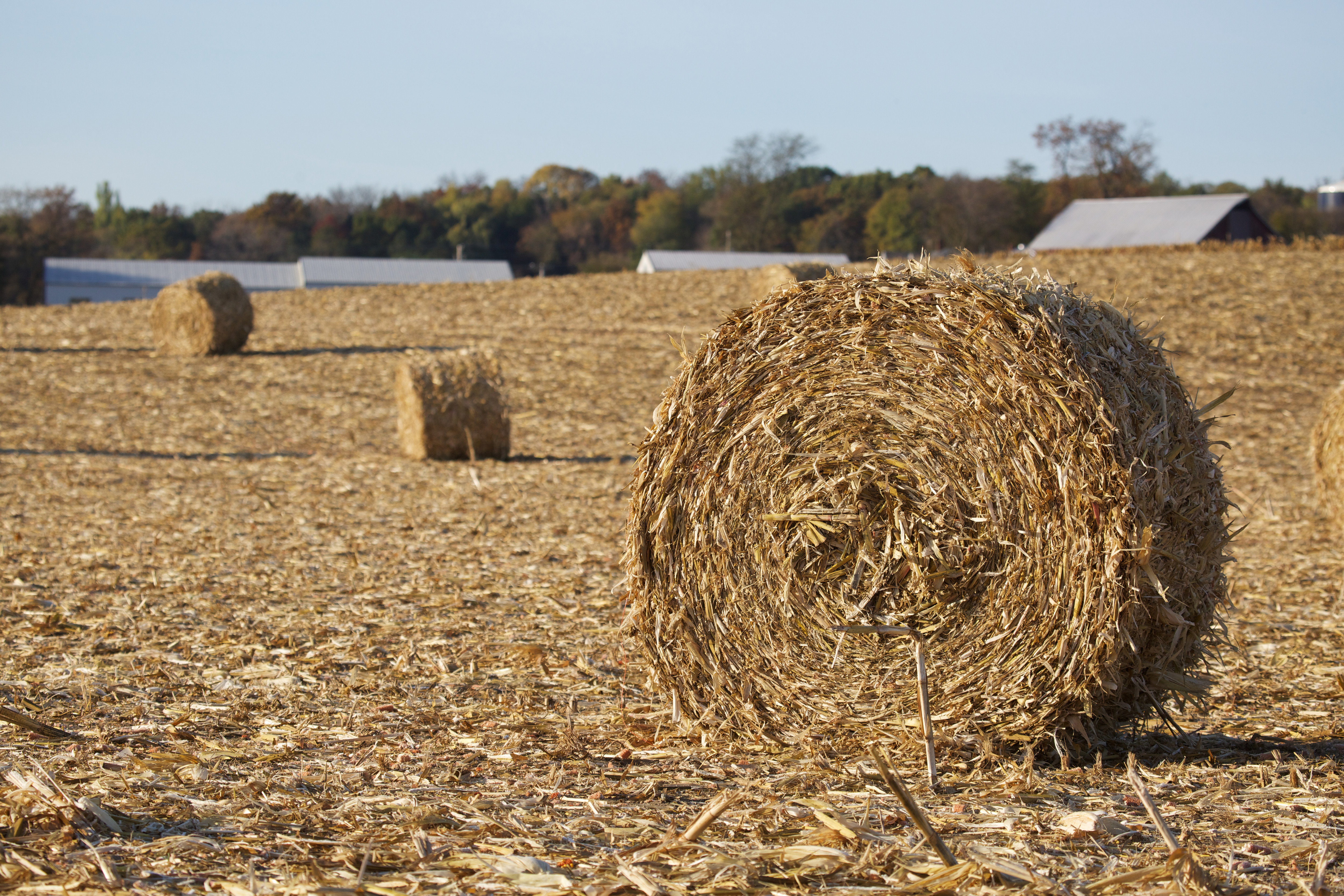
Feeding low-cost forages such as baled corn stalks can help stretch your winter hay supply. The trick is getting cattle actually to eat the stalks.
Corn stalks are typically only used to bed cattle because they will sort through corn stalks, picking out the high protein husks and leaves and discarding the stalks.
To get cattle to eat the entire corn stalk bale, make bales more palatable. Little changes in how you harvest corn stalks, stack them and feed them can reduce spoilage, making a considerable difference in palatability. The more corn stalk bales you feed, the less hay you’ll have to buy.
Increase Digestibility of Grazed and Harvested Forages
Low-quality forages are often harder for cattle to digest and leave nutrients wasted. If microbes in the rumen cannot break down tough lignin surrounding corn stalks or forages, cows will struggle to obtain the nutrients they require to improve their body condition or supply nutrients to their calves.
The best way to help is to improve the fiber digestibility of forages by increasing the rumen microbe population. More microbes will produce more enzymes, essential for breaking the tough lignin bonds surrounding forage nutrients. Once those bonds are broken, microbes can extract glucose and convert it into volatile fatty acids (VFAs) that cattle require for energy, reproduction and growth.
How Ralco Can Help Reduce Your Winter Feed Bill
From cows to crops, Ralco can help farmers and ranchers reduce their winter feed bills.
To get more energy out of low-quality forages, there’s MC100. Powered by patented Microbial Catalyst technology, MC100 is research-proven to help increase microbe populations in the rumen for greater fiber digestibility of low-quality forages. In particular, MC100 has been shown to increase the fungi populations in the rumen which are key to breaking down lignin surrounding low-quality forages and corn stalks. Studies show cattle fed MC100 have improved VFA production, body condition, reproduction performance and feed intake.
To get higher-quality forages with less heating and spoilage, you can useAnchor for Hay. This dry granular product is research-proven to maintain hay quality over time and increase the palatability of bales.
Have any questions? Contact Ralco’s ruminant specialists by calling 507-337-6916 or emailing RuminantHelp@RalcoAgriculture.com.
MC100 – Get More Energy Out of Feed
MC100 is an everyday natural feed additive comprised of a patented form of cobalt which stimulates rumen bacteria and enhances fiber break down effectively extracting more energy from the feed.
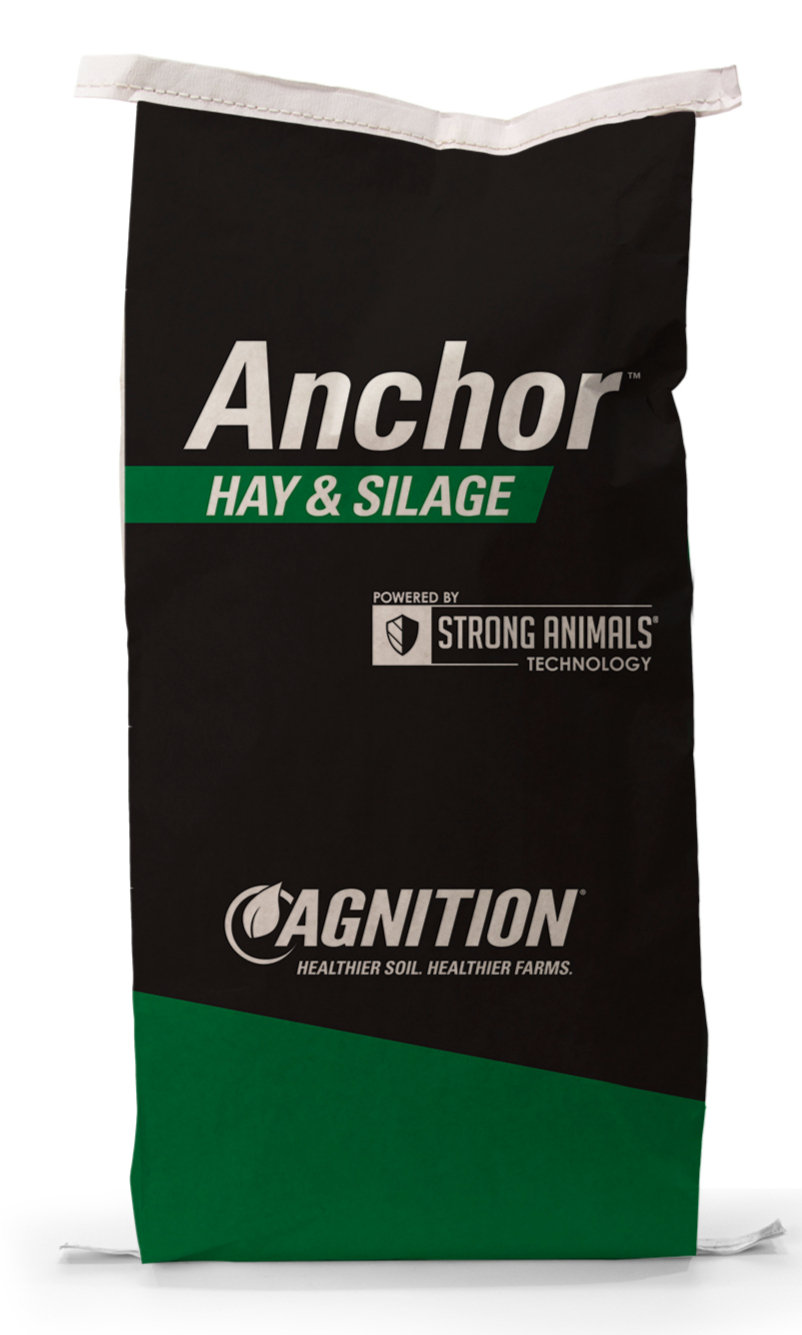
Anchor for Hay – Dry Granular Preservative Anchor for Hay is a dry granular product that preserves higher moisture hay and maintains hay quality over time while reducing the risk of heating and spoilage.