
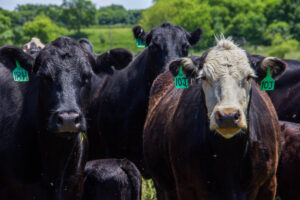
As spring arrives and fresh pasture becomes available, it’s time to consider an important question: could your cattle be at risk for grass tetany? Here’s what you need to know to help protect your herd this season.
What is Grass Tetany in Cattle?
Grass tetany is a condition caused by low magnesium levels in a cow’s blood, and it’s especially common in the spring. This issue arises when cattle graze on young, lush grasses high in potassium. Excess potassium in these grasses blocks the absorption of magnesium, leading to dangerously low magnesium levels in your cattle.
To help prevent grass tetany, make sure your cattle have easy access to magnesium-rich mineral supplements during the spring grazing season.
5 Important Facts About Grass Tetany in Cattle
Understanding these five key points can help you protect your cattle from grass tetany this spring.
1. Cool-Season Grasses Increase Grass Tetany Risk
Certain grasses can put your cattle at risk for grass tetany. Cool-season grasses—like crested wheatgrass, bromegrass, bluegrass and timothy grass—are particularly high in potassium, which limits magnesium absorption and increases the chance of grass tetany.
Cereal grasses like wheat grass, rye and oats can also contribute to tetany. In Texas and Oklahoma, “wheat pasture poisoning” is a form of tetany caused by low magnesium and calcium levels in cattle grazing on high-potassium wheat grasses.
If your pastures are fertilized with nitrogen and potassium, be cautious, as these can further reduce magnesium availability.
Experts recommend allowing grasses to grow to 8-10 inches before grazing, as potassium levels decrease as grasses mature. It’s a simple yet effective way to protect your herd.
2. Lactating Cows Are Most at Risk
Grass tetany is particularly dangerous for older lactating cows and those in late pregnancy. These cows already have lower magnesium reserves, and lactation or gestation further increases the magnesium deficit. Monitor these cows closely and provide them with high-magnesium mineral supplements to reduce the risk of tetany.
3. Grass Tetany Can Be Fatal
Grass tetany is a silent threat that can be fatal if left untreated. Often, the first sign of tetany is finding a deceased animal, but other symptoms may include excitability, muscle twitching, lack of coordination, convulsions, excessive salivation and coma.
Cool, cloudy days between 40-60°F can increase the likelihood of symptoms, so watch your herd closely in these conditions.
4. Salt Plays a Role in Preventing Grass Tetany
Studies from the 1930s showed that sodium (salt) plays a role in magnesium absorption in cattle. Sodium is essential for magnesium absorption in the rumen, but a sudden freeze or frost can reduce sodium levels in forage. For best results, provide free-choice salt in each pasture during the spring.
However, plain salt blocks aren’t enough—cattle won’t consume the necessary amount of salt from a block alone. Opt for a mineral mix with high salt and readily available magnesium to prevent grass tetany effectively.
5. Treat Grass Tetany with Magnesium-Calcium Injections; Prevent with High-Quality Mineral Supplements
If you suspect grass tetany, consult your veterinarian immediately. Treatment usually involves an IV injection of magnesium and calcium and a mineral supplement with high magnesium (10%) and calcium (15-20%) levels.
To prevent grass tetany, provide a mineral supplement with highly available magnesium, calcium and salt. Aim for 2-4 ounces of mineral supplement per cow per day. Even if your forage has adequate magnesium levels, a mineral supplement is still recommended, as the magnesium in pasture may not always be accessible to cattle.
Starting a mineral program in February or March allows cattle to build up mineral reserves, helping them avoid grass tetany when spring grazing begins.
Prevent Grass Tetany Before Spring Grazing Starts
Before turning your cows out to graze on fresh spring grass, make sure they’re getting enough magnesium and calcium. This proactive step can prevent the risk of grass tetany in your herd.
To learn more about grass tetany prevention or to find the best mineral supplements for your herd, give us a call at 507-337-6916 or email us at RuminantHelp@RalcoAgriculture.com.
Rumatec – Cow/Calf Mineral
The Rumatec line of cow/calf mineral supplements provides the needed nutrients commonly deficient in forages to help ensure optimum performance and reproductive efficiency.