
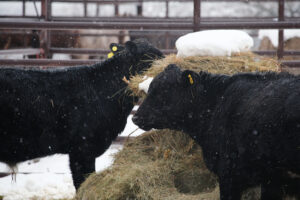
Reducing hay waste should be a priority for every operation, particularly when forage supplies are limited and hay prices continue to climb. As available supplies tighten and demand increases, the cost of hay can have a significant impact on overall feed costs and profitability. Making the most of every ton harvested or purchased through proper storage, feeding management and minimizing waste is essential to stretching forage inventories and maintaining an efficient feeding program.
According to USDA reports for October 2026, large round bale alfalfa hay in Nebraska traded between $200 and $220 per ton. Large round brome grass hay traded between $150 and $185 per ton. In Iowa, premium alfalfa/grass mix in large round bales traded at $150 per ton. The UW-Madison Extension hay report for the Upper Midwest (October 27, 2026) put prime alfalfa in large round bales at $200 per ton and prime grass hay at $181 per ton.
Here are three practical management strategies to help reduce hay waste this year.
3 Tips to Reduce Hay Waste:
1. Limit amount of hay offered.
A popular method for winter feeding is to roll bales out on the ground and allow cattle to consume hay freely. However, research from the University of Missouri indicates this method can result in approximately 40% hay waste. One way to reduce these losses is through limit-feeding hay. Rather than providing cattle with unlimited access to large amounts of forage, offer only enough hay that can be consumed in about 8-10 hours. Roll out a portion of the bale or provide a measured amount each day. This encourages cattle to consume forage provided while reducing sorting and waste.
2. Use a Cone Hay Feeder
This type of hay feeder can help reduce waste and costs associated with feeding harvested forages. Researchers at Oklahoma State University compared common hay feeder designs and measured the amount of forage wasted with each type. Results showed cone-style feeders had the lowest hay waste, while the sheet ring and poly feeders resulted in greater losses. Reported hay waste was 5.3% for cone feeders, 20.5% for sheet ring feeders and 21% for poly feeders. Researchers calculated economic impact using an operation with 30 cows consuming 180 bales of hay, weighing 1,200 pounds each, over a six-month period. At $70 per bale, annual losses were estimated at $667.80 with cone feeders, compared to $2,583 with sheet ring feeders and $2,646 with poly feeders. With hay prices higher this year, economic impact of forage waste becomes even more significant. Investing in a feeder that minimizes waste can help producers reduce feed costs and improve the efficiency of their winter feeding program.
3. Process hay to improve forage utilization
Grinding or chopping hay can help reduce waste by limiting cattle from trampling and sorting. Processing hay also provides an opportunity to incorporate lower-quality forage into a balanced ration. By reducing particle size and mixing it with other feed ingredients, producers can improve the palatability of hay that cattle might otherwise sort through or refuse. This can help producers stretch their existing forage supplies and make better use of lower-quality hay. When feeding processed hay, use bunks or turned tires to minimize losses from wind and trampling. Keep in mind processing hay requires an investment in equipment or expense of hiring a custom tub grinder. Producers should evaluate these costs against the potential savings from reduced waste and improved forage utilization.
How a Central South Dakota Rancher Preserves & Grinds Hay Easier
In central South Dakota, raising cattle is a way of life, and putting up quality hay is an essential part of the operation.
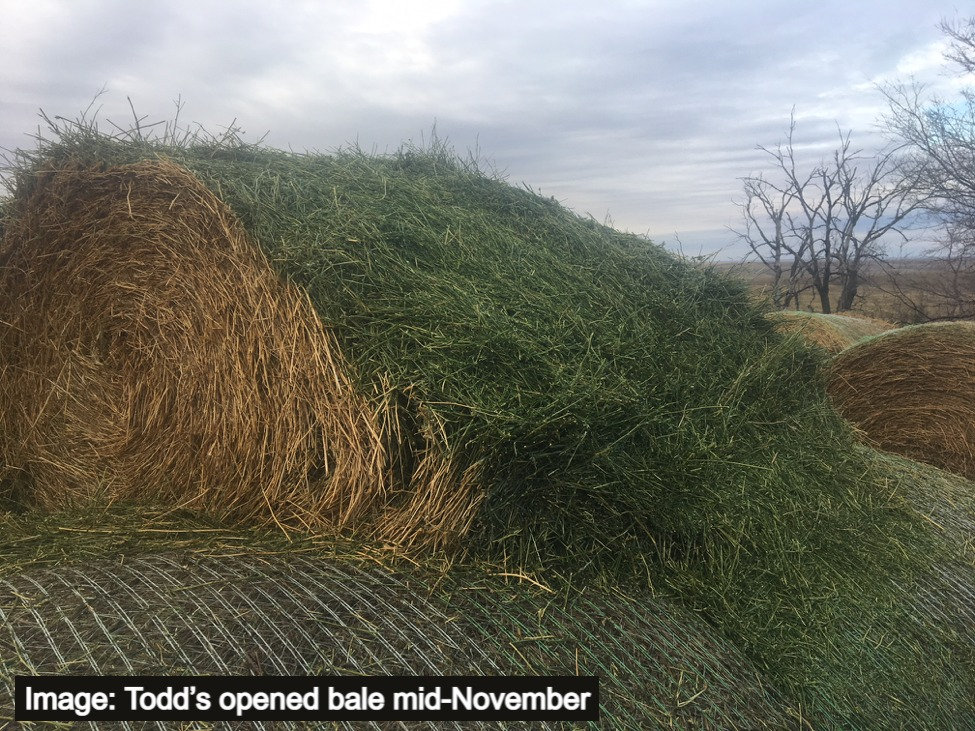
For ranchers like Todd, preserving forage quality and minimizing storage losses can make a significant difference in overall feed costs and winter feeding efficiency. Todd, a Central South Dakota rancher, put a dry granular hay preservative to the test to help minimize spoilage and preserve more of his harvested forage. This image and testimonial below highlight the results he experienced.
“Treated bales were so much greener when I rolled them out or ground them, and they grind way easier. I applied Anchor at 18% moisture in August and opened the bales mid-November to green alfalfa. Anchor is a great product. It doesn’t rust my baler and the Valmar applicator is easy to use.”
Experience the benefits of Anchor today.
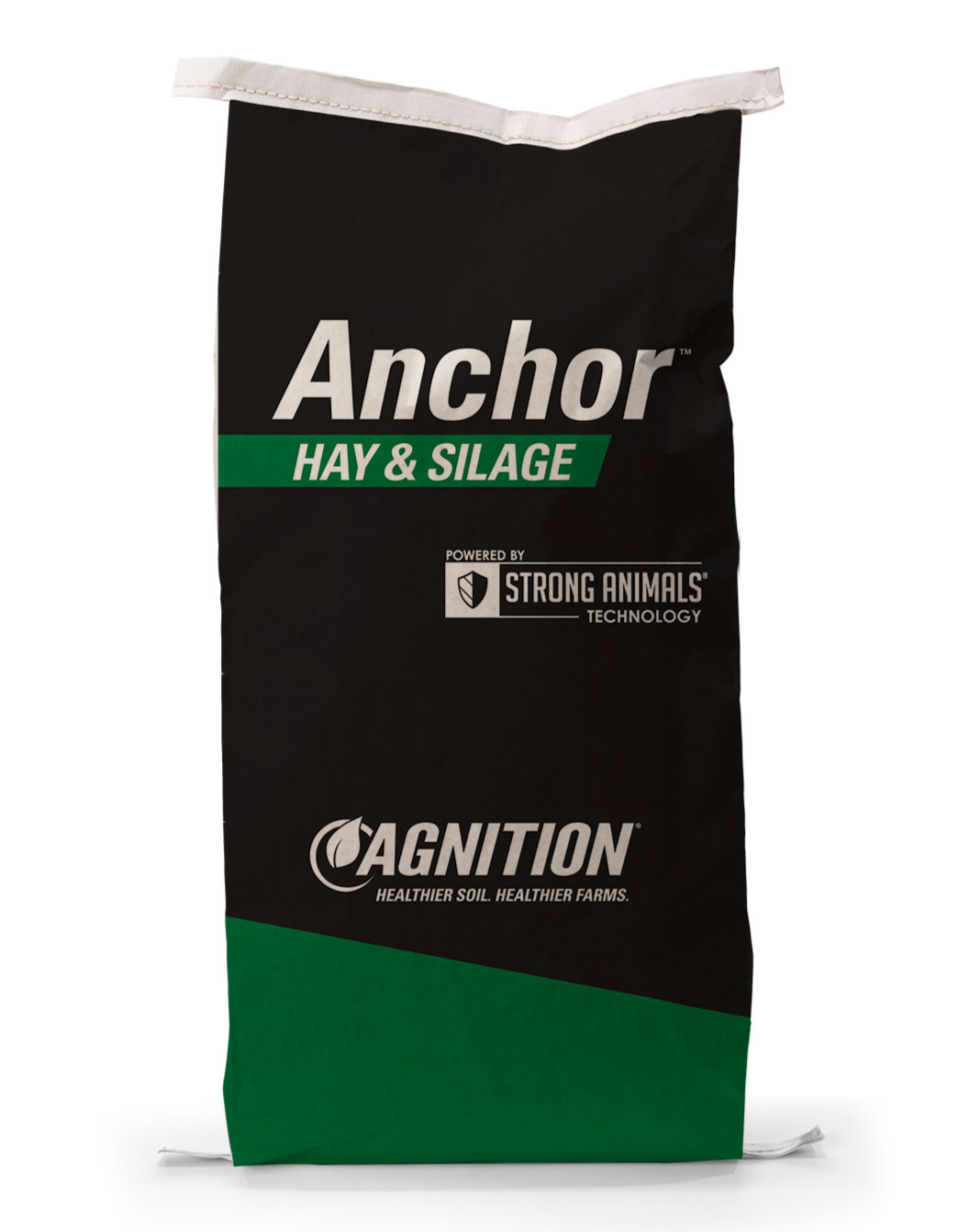
Anchor for Hay – Dry Granular Preservative
Anchor for Hay is a dry granular product that preserves higher moisture hay and helps maintain hay quality over time.