
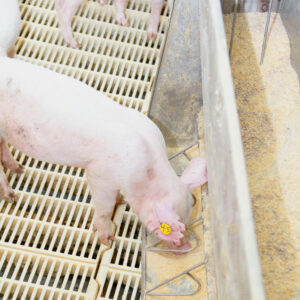
A strong nursery nutrition program isn’t just about early growth, it directly impacts finishing performance. Every pound lost in the nursery can result in 2–3.5 pounds lost by the end of finishing, and with the variation seen in today’s nursery closeouts, market weights can fluctuate by 4–7 pounds or more.¹ That’s why optimizing nursery nutrition isn’t just important, it’s essential.
Could your current nursery program be holding your pigs back? Let’s take a closer look at the key factors that make the difference.
3 Key Components of a Strong Nursery Nutrition Program
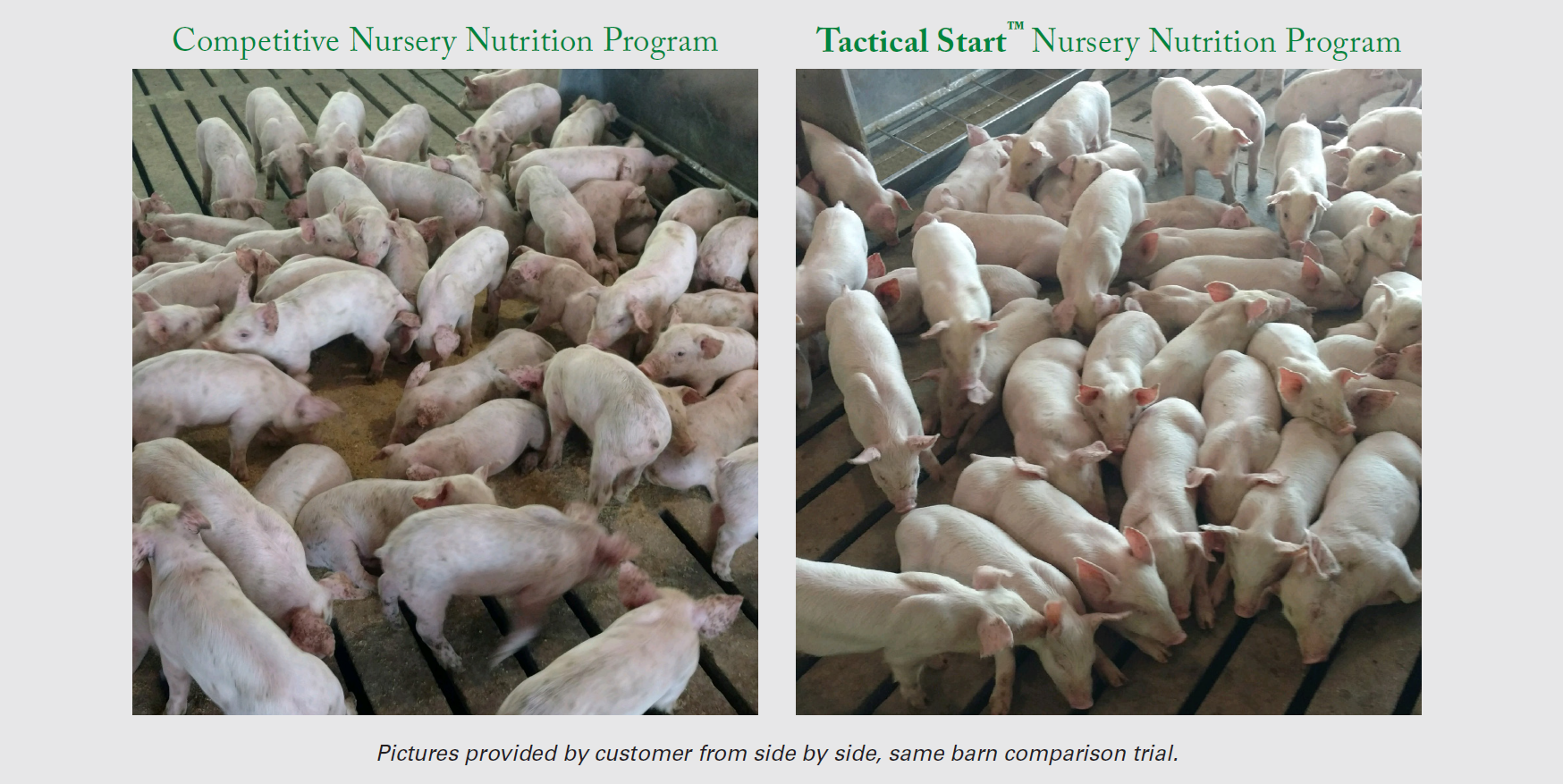
If your piglets are huddling in corners, piling on top of each other or looking unusually hairy, it might be time to take a closer look at your nutrition program. These signs often indicate that pigs aren’t eating enough, which can lead to colder body temperatures and slower growth. Other red flags include droopy ears and an overall unhealthy appearance.
A strong nursery nutrition program is key to keeping pigs on track. Here are three critical factors to focus on:
1. High-Quality Ingredients Drive Early Success
Early nutrition plays a critical role in piglet development. While corn and soybean meal are common feed ingredients, young piglets have immature digestive systems that may struggle to process these plant-based proteins effectively.
Feeding young piglets diets too high in corn and soybean meal can:
Disrupt digestion with anti-nutritional factors.
Damage the intestinal epithelial lining (intestinal lining shown below), leading to leaky gut and poor nutrient absorption.
Weaken immunity, making piglets more vulnerable to disease as pathogens pass through the damaged intestinal wall.
Trigger gut inflammation and scours, slowing growth and performance.
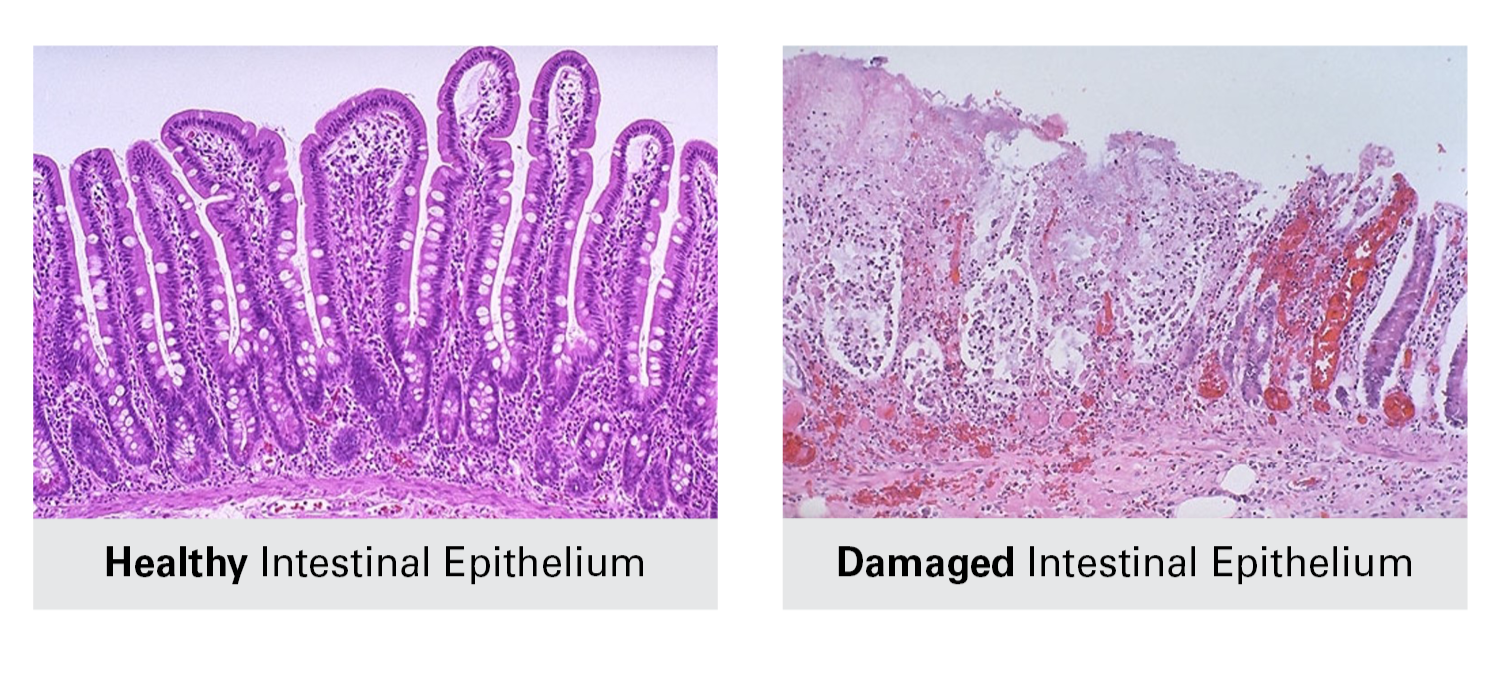
Selecting easily digestible, high-quality ingredients supports gut health and helps piglets transition smoothly into efficient growth, setting them up for long-term success.
A study from the University of Nebraska found that piglets fed complex diets gained significantly more weight across multiple growth periods. By period three, pigs on complex diets weighed over 25 pounds more than those on simple diets. The chart below illustrates weight accumulation across growth periods, comparing simple and complex nursery diets.
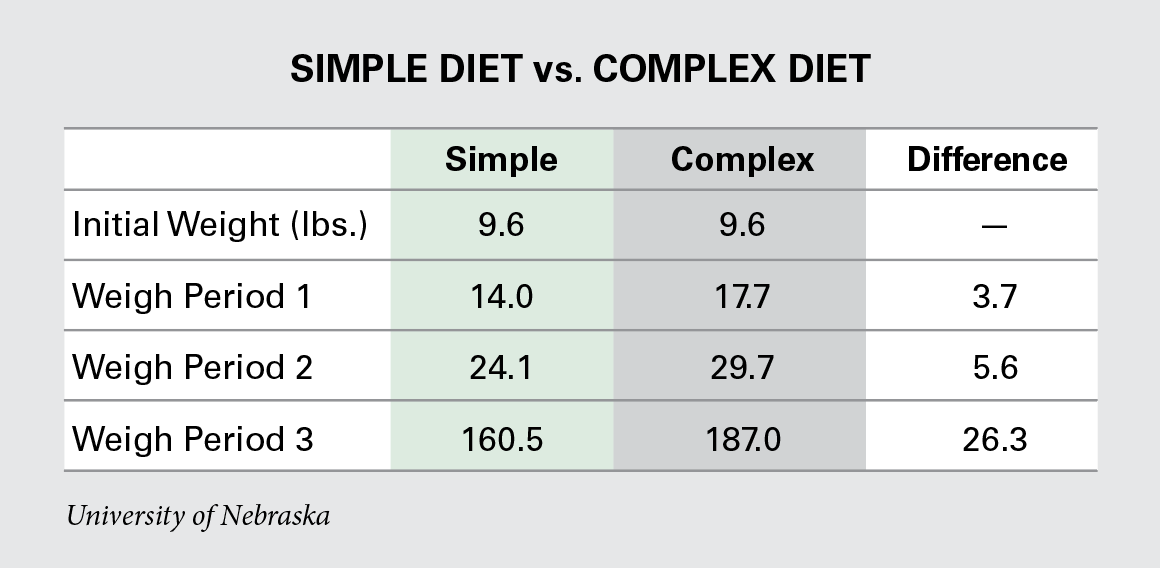
Tip: Take a closer look at your nursery diet. If soybean meal and corn comprise the bulk of the ingredients, the diet may be too difficult for piglets to digest and thrive.
2. Focus on Age, Not Weight
When formulating nursery diets, age is a better guide than weight because a piglet’s ability to digest nutrients depends on enzyme development within the biology of the pig.
Early on, piglets produce high levels of lactase, the enzyme that breaks down milk sugars. That’s why lactose-rich ingredients are essential in early diets, providing an easily digestible energy source.
Amylase and protease, the enzymes responsible for digesting starch and protein, develop more slowly, around week three of age. Introducing too much corn and soybean meal too soon can overwhelm the digestive system.
The best approach is a gradual transition to corn and soybean meal as the piglet’s gut matures, ensuring optimal nutrient absorption at the right time.
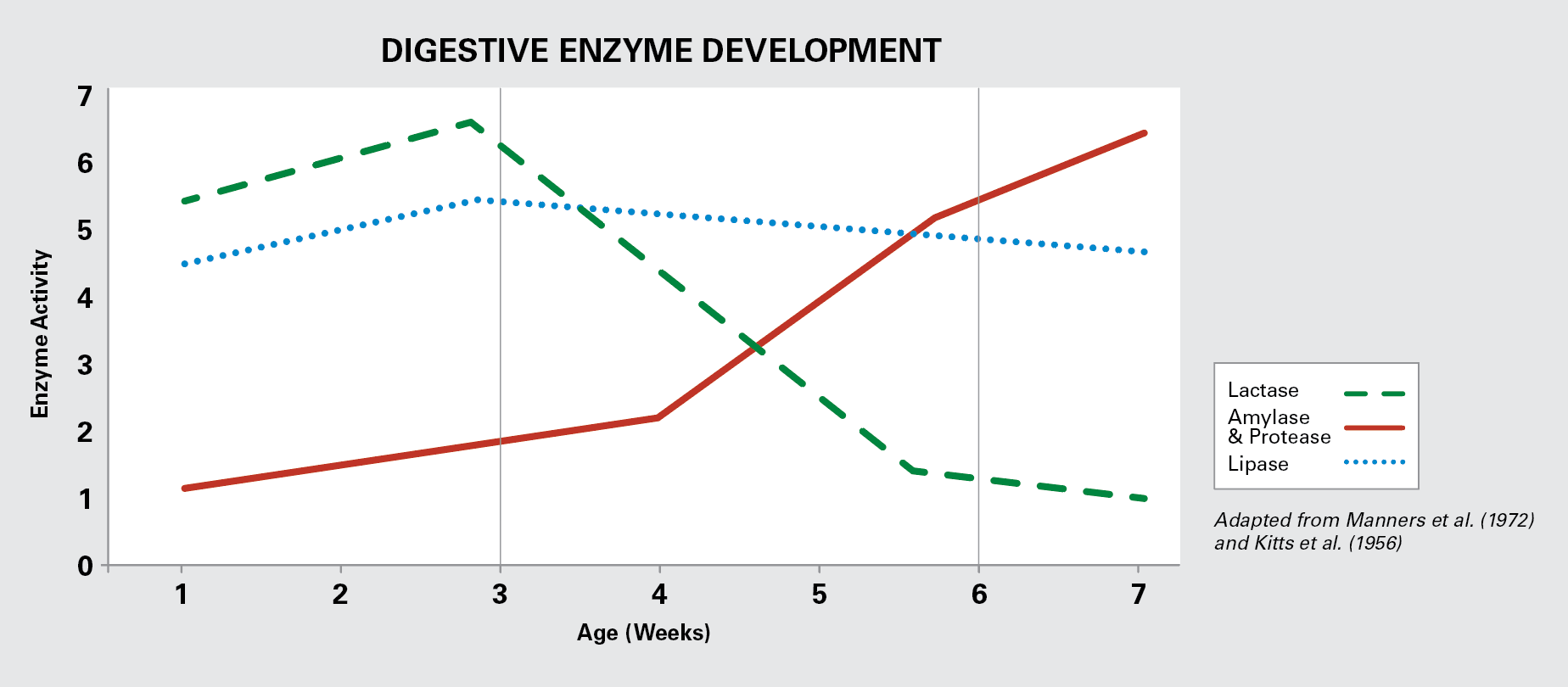
The bottom line? Feed according to digestive readiness, not just piglet weight, to support growth and performance.
3. Ongoing Service and Nutrition Support
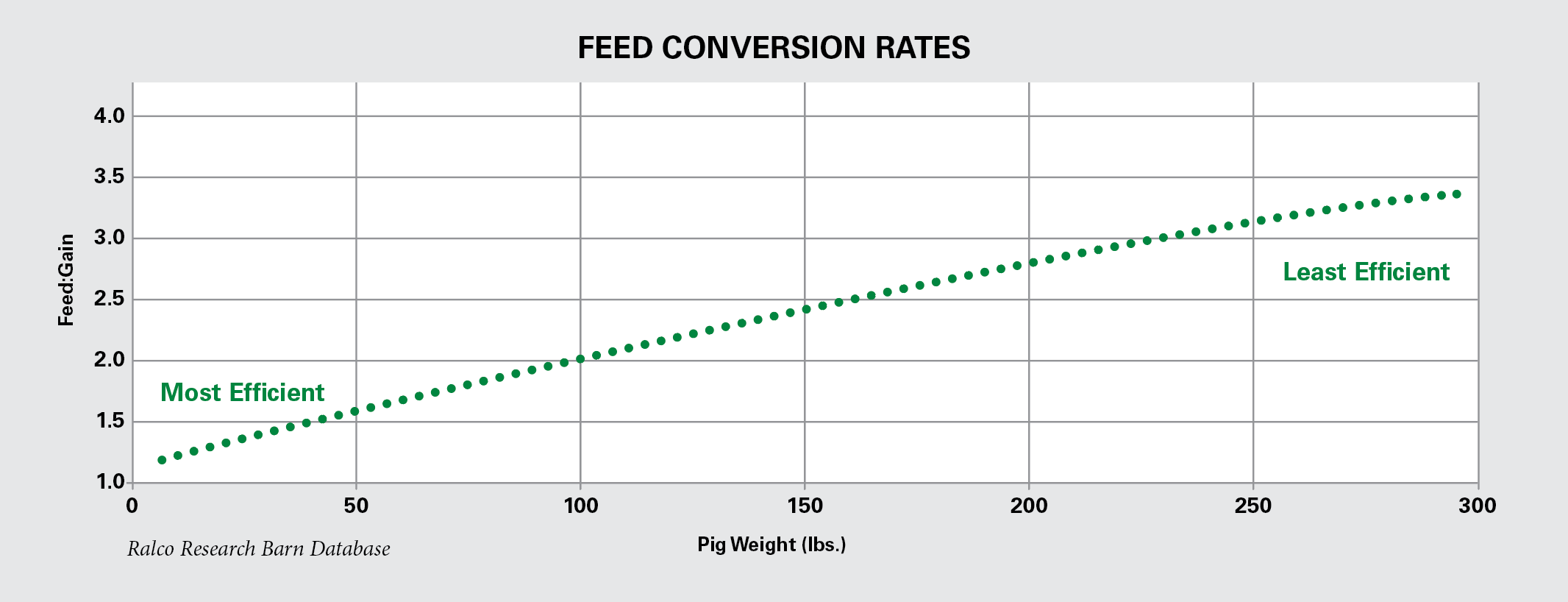
As pigs grow, their nutritional needs change. They are most efficient early on but gradually become less efficient over time, making it essential to adjust diets accordingly. A static feeding plan fails to address real-time challenges like low feed intake, disease exposure and environmental stressors.
Outdated formulations can slow down growth and drive-up production costs.
Adjusting nutrition in real-time helps pigs maintain optimal performance at every stage.
Partnering with a nutritionist ensures diets are fine-tuned to match the pig’s dietary needs, improving overall health and efficiency.
The bottom line? Diet formulations shouldn’t be permanent. Ongoing adjustments matching the pig’s biological requirement are key to maximizing performance and profitability.
Overcoming Common Nursery Challenges
The nursery phase brings several challenges that can impact piglet performance, but a well-structured nutrition plan helps minimize these risks.
One of the biggest hurdles is getting pigs started on feed. If piglets don’t eat right away after weaning, they lose growth potential. The abrupt transition from milk to dry feed, along with environmental stress and exposure to new pen mates, weakens their immune system and renders them vulnerable to harmful pathogens, like E. coli. Delayed feed intake reduces the production of stomach acid, increases bacterial load and results in a higher risk of scours and poor performance. Providing highly palatable ingredients in their diet encourages early feed intake, strengthens their immune response, and smooths the transition into the nursery phase.
Between two- and four-weeks post-weaning, piglets experience a natural dip in immune function as they transition from passive immunity (provided by the sow) to more of an active immunity. This transition raises their risk of disease challenge. Stress and dietary changes can make this period even more challenging. Providing a well-balanced diet that supports gut health, hydration and immunity helps nursery pigs stay healthy and on the right track.
Setting Pigs Up for Success from the Start
A strong nursery program does more than get pigs through weaning, it lays the foundation for long-term performance. Ralco’sTactical Start nursery nutrition is designed to give piglets the best start by focusing on highly digestible ingredients, age-specific feeding strategies and palatable sugars that drive early feed intake. With real-time nutritional adjustments, this program ensures piglets receive the right nutrients at the right time for efficient growth from day one.
Producers using Tactical Start Nursery Nutrition see:
Pigs start eating right away
Fewer health challenges and improved resilience
Increased early feed intake for better growth
Less fall behind pigs
More uniform pig size across groups
Improved efficiency in both the nursery and finishing phases
Ready to Improve Your Nursery Performance?
Your nursery program sets the stage for success, and small changes can make a big difference. Want to see how your current program stacks up? Our Ralco Swine Team is here to help!
Give us a call at 1 (800) 533-5306 for a free, no-obligation diet review! Let’s chat about ways to help your nursery pigs thrive and keep your operation more profitable.
Tactical Start nursery nutrition is designed to support early intake and lightweight pigs, ensuring more full-market-value pigs reach market. Its ultra-complex, easily digestible ingredients match digestive capacity of pigs to drive uniform growth.