
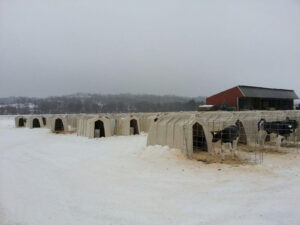
Winter can be a challenging time for dairy calf ranches. The drop in temperatures not only puts stress on calves but also increases the risk of health issues.
Keeping calves healthy during the colder months requires thoughtful management practices to ensure they stay warm, hydrated and well-fed. Here’s how to help your calves thrive during winter.
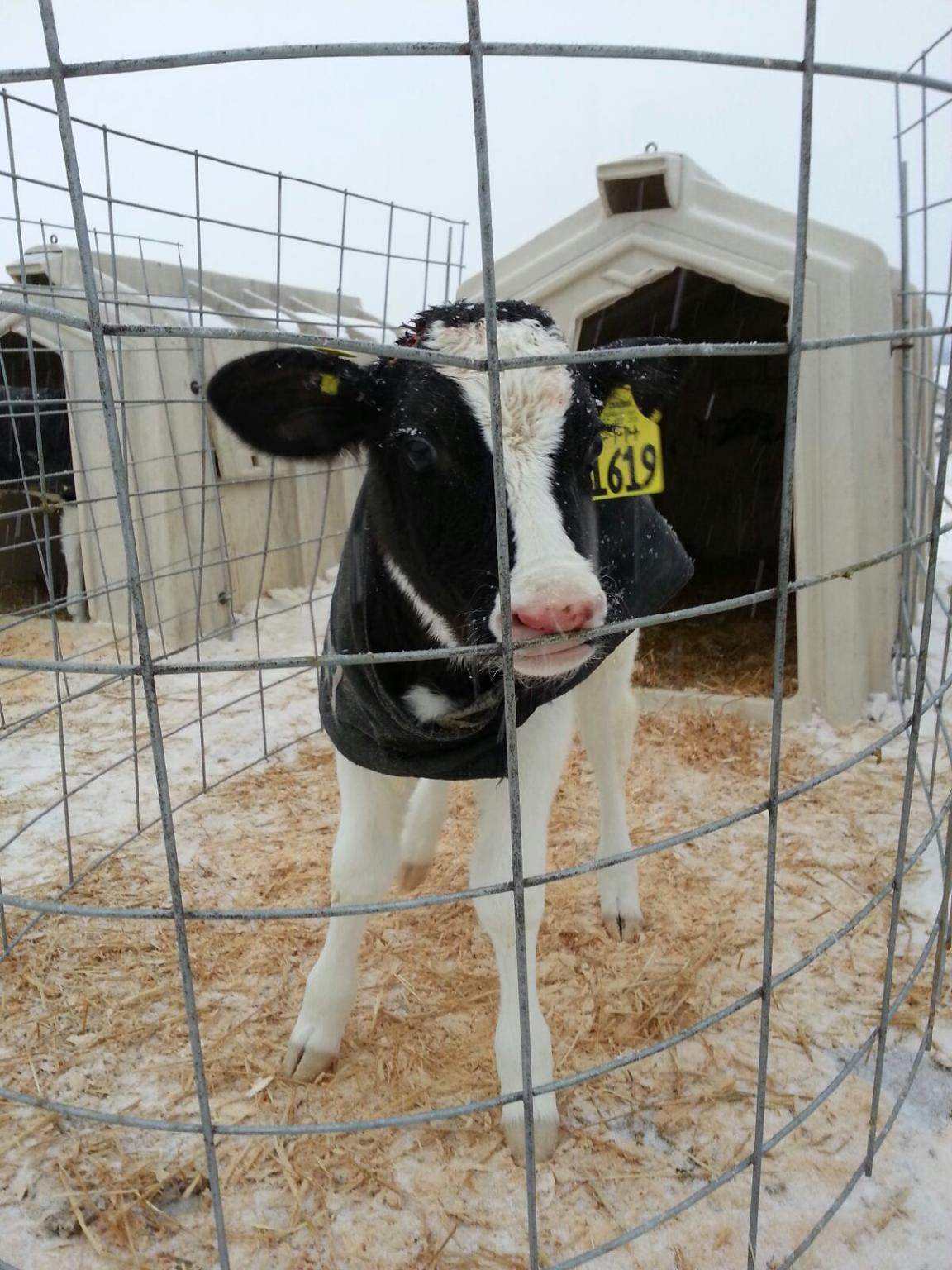
Shelter: The Role of Hutches
A warm, well-ventilated shelter is a calf’s first line of defense against the cold. Proper hutch placement and maintenance can make a significant difference in protecting calves from the elements while ensuring their health and comfort.
Close the Flaps: Ensure hutch flaps are closed to block wind. A draft-free environment can significantly reduce cold stress.
Maximize Sunlight: Place hutches on the south side of buildings to take advantage of natural sunlight to help keep them warmer and protected from the wind.
Ventilation Matters: While it’s important to keep the hutches warm, don’t seal off the vent completely. Poor ventilation can create a breeding ground for pathogens, leading to respiratory issues. A balance between warmth and airflow is key.
Warmth: Blankets, Bedding and Body Temperature
Keeping calves warm isn’t just about their comfort, it’s about survival. Newborn calves have limited body fat and need extra support to maintain their body temperature in cold conditions.
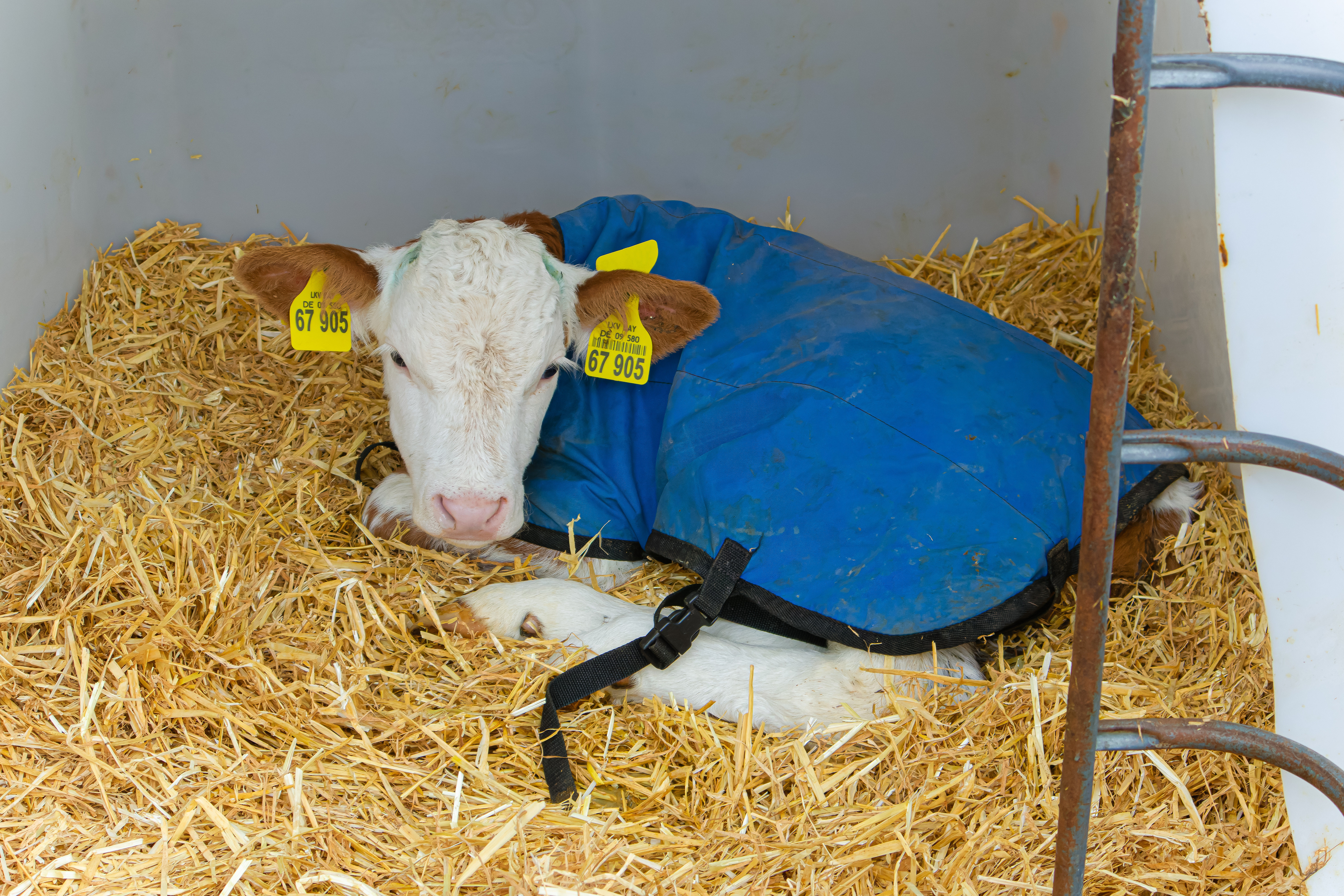
Blankets or Coats: Calf blankets are a simple but effective way to conserve body heat, especially for younger or weaker calves.
Bedding: Use deep, dry straw bedding. Straw acts as natural insulation, allowing calves to nest and retain body heat. Check bedding regularly to ensure it stays dry. Wet bedding can quickly lead to frostbite.
Body Temperature: Calves should maintain a body temperature of 101.5°F to 103°F in the winter to stay healthy. If their temperature drops below 100°F, they may experience hypothermia.
Nutrition: Feeding for Energy
Colder temperatures mean calves need more energy to stay warm and grow. Nutrition plays a critical role in supporting their overall health and keeping cold stress at bay. Proper feeding adjustments can make all the difference.
Colostrum: In the first 24 hours, colostrum is crucial for immunity and energy. Its high fat content also provides the extra energy calves need to combat the cold. Calves need about two quarts of colostrum (or at least five percent of the calf’s body weight) within four hours of birth – ideally within 30 minutes – and one gallon within 12 hours.
Milk Replacers: Switch to a higher-fat milk replacer (20% fat) during winter. The added fat makes it more energy-dense, reducing the need to increase feeding volume. For operations feeding whole milk, it naturally offers an energy boost that aligns with cold weather demands. Lastly, always feed milk replacers at the calf’s body temperature to ensure proper digestion and help them maintain their internal warmth.
Warm Water: Always provide warm water after milk feedings. Drinking cold water forces calves to burn extra energy to regulate their body temperature.
First 24 Hours: A Critical Window
The first day of a calf’s life is a pivotal time, especially in winter. Exposure to cold can lead to rapid energy loss, weakened immunity and illness. Taking immediate steps to keep newborns warm and dry sets them up for success.
Colostrum Quality: Provide high-quality colostrum within the first few hours for essential immunity and energy. Use colostrum from the cow or a replacer with over 100 grams of immunoglobulins per dose. It’s important to avoid supplements, which typically lack sufficient antibodies (only 40-60 immunoglobulins) for newborn calves.
Dry Them Off: Wet calves lose body heat rapidly. Dry them thoroughly and immediately after birth to prevent chilling.
Warm Environment: Move newborn calves to a warm area to help them adjust to the colder environment. If calf is chilled, slowly warm them up and get warm air moving over the calf (like a heater or calf box).
Body Fat: With only 3-4% body fat at birth, calves burn through their energy reserves quickly. Cold or wet conditions make this happen even faster, so it’s important to act fast.
Long-Term Feeding Adjustments
As calves grow, their energy needs change and winter conditions increase their demand for nutrients. Cold weather forces calves to burn more nutrients to stay warm, making it essential to adjust feeding practices without adding unnecessary stress.
Increase Calories: Around 3-4 weeks of age, consider increasing their caloric intake. Feeding 8 or more quarts of milk per day helps meet their energy needs in cold weather.
Timing Matters: Adjust feeding schedules to provide milk early in the morning and later in the evening. This ensures calves have energy during the coldest parts of the day.
Hydration: Dehydration is a concern year-round, not just in the summer. Cold water can deter calves from drinking, leading to nutrient loss. Providing warm water is essential to encourage drinking and conserve their energy. If dehydration occurs, use electrolytes to replenish vital nutrients and vitamins and consult with your vet.
Calf Supplements for Winter Stress
Cold stress doesn’t just make calves uncomfortable—it weakens their immune system and often reduces feed intake. It’s best to proactively support their health during the winter to maintain immunity, keep them eating and ensure they thrive.
Start Strong for Calves: This natural oral drench supports appetite at birth for maximum colostrum intake. It also helps calves regain their appetite during stressful times, helps maintain gut health and immunity and provides the energy needed to keep them eating.
Stand Strong for Dairy Calves: This natural, soluble and palatable milk additive that helps maintain immunity, supports appetite and eases the transition to a grain diet.
Calf care during the winter requires a careful balance of shelter, warmth, nutrition and proactive health management. By addressing cold stress early and consistently, you can help your calves grow strong and healthy despite the challenges of the season.
Remember, every effort you make now pays off in healthier, more resilient calves for the future!
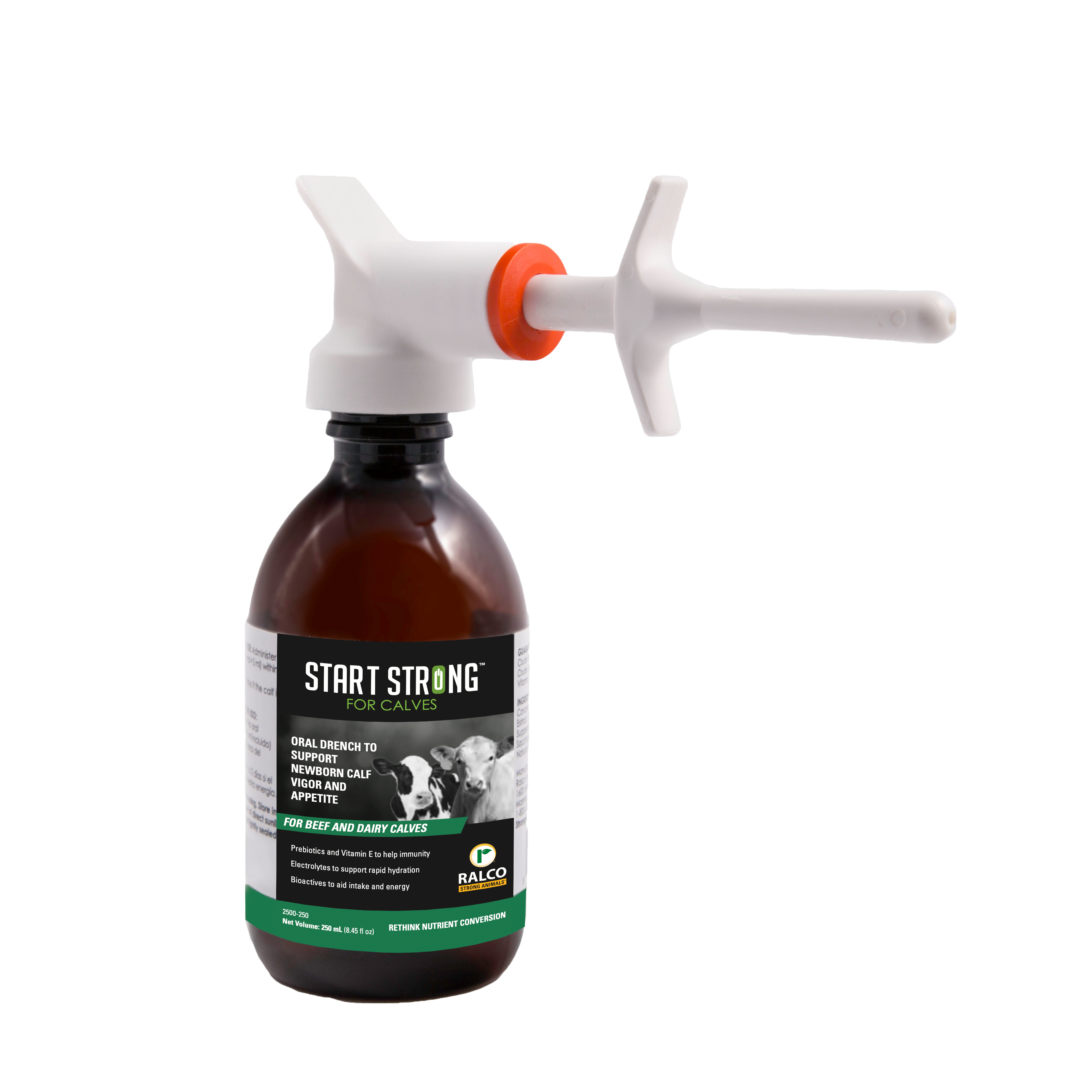
Start Strong for Calves – Maximize Colostrum Intake
Start Strong for Calves is a natural oral drench that supports appetite, digestive health and provides newborns with the energy they require.
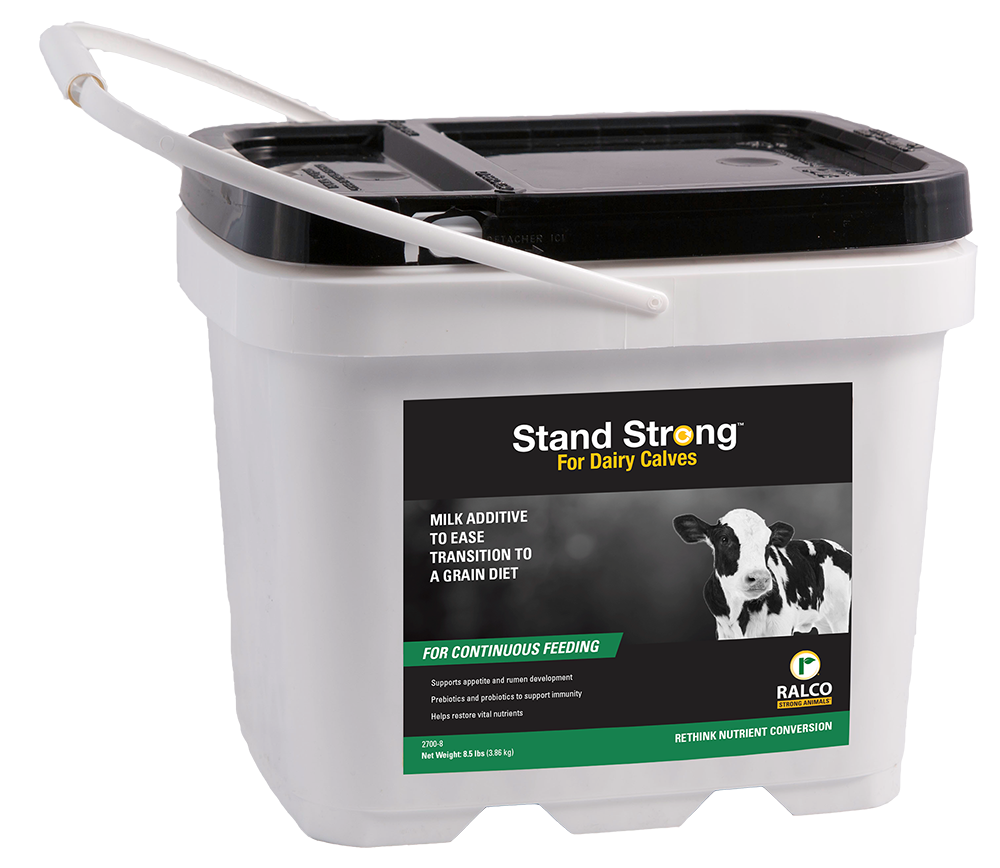
Stand Strong for Dairy Calves – Milk Replacer for Immunity
Stand Strong for Dairy Calves is a natural milk additive that supports appetite and eases the transition to a grain diet while helping immunity.