

Essential oils have become a popular tool in swine production for helping to improve gut health, immunity and overall pig performance. But results can vary widely depending on the quality, delivery and formulation of the oils used.
At Ralco, we’ve built one of the most advanced essential oil platforms in agriculture, ensuring consistent, research-proven results for producers.
In this blog, we’ll cover three key reasons why Ralco’s essential oil technology is different and how it helps pigs thrive from the inside out.
1. Quality: Selecting, Extracting and Testing for the Right Compounds
Essential oils are packed with bioactive phytonutrients. Think of them like the “ingredients” that make each oil work.
Scientists have discovered more than 100,000 of these phytonutrients that fall into 8–12 main phytochemical categories. Each category contains unique compounds (also known as constituents) that work together, much like vitamins and minerals in a balanced diet. It’s this interaction that gives essential oils their powerful health benefits like antimicrobial, antiviral, anti-inflammatory, etc.
At Ralco, we’ve evaluated more than 400 different essential oils and plant extracts and have products in all but one phytochemical category. That depth of research allows us to target specific swine health challenges with precision.
But quality doesn’t start in the lab, it starts long before an essential oil ever reaches your barn. To show how our process stands apart, let’s use a simple comparison like coffee.
The Bean (Species Selection)
Just as coffee starts with choosing the right tree and bean variety for a desired flavor, Ralco carefully selects plant species with the ideal profile of constituents for production challenges, working closely with suppliers to ensure consistency from the field to our facility.
The Roast (Farming & Harvest Practices)
In coffee, how the beans are roasted completely changes the outcome. A light roast keeps more of the bean’s natural caffeine and bright flavors, while a dark roast has less caffeine but develops a stronger, smokier taste. In other words, the same bean can deliver very different results depending on how it’s handled after harvest.
It’s the same with essential oils. At Ralco, we work closely with suppliers to make sure plant material is harvested and processed in a way that preserves the exact compounds needed for pig health. This precision keeps the phytochemical profile consistent, so every batch of oil delivers reliable performance in your barn.
The Brew (Extraction Process)
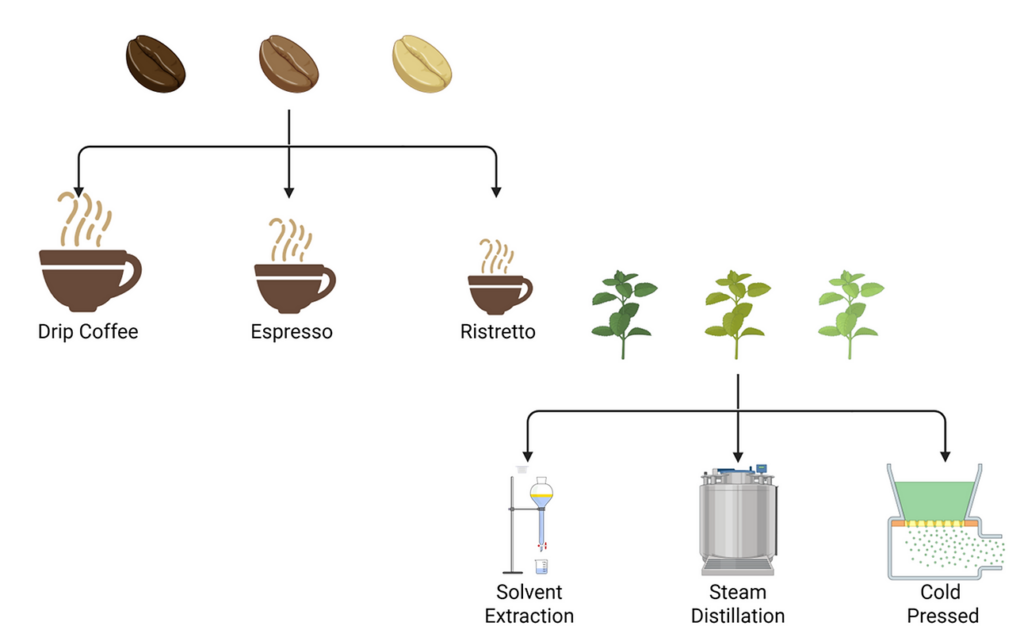
Just as different coffee brewing methods change flavor and caffeine strength, extraction methods determine the concentration and potency of essential oils.
- Drip coffee runs hot water slowly through ground beans and a filter. You end up with a larger cup of coffee, but it’s diluted, milder flavor and less caffeine per ounce.
- Espresso uses pressure and heat to push water through the beans in about 30 seconds. The result is a small shot with bold flavor and much higher caffeine per ounce.
- Ristretto takes it one step further: even less water, more pressure and a shorter extraction time (15–20 seconds). It produces a smaller, richer, sweeter shot that’s extremely concentrated in flavor and aroma.
Essential oils follow the same principle. Some extraction methods produce diluted oils with less consistency, while others yield highly concentrated compounds.
Through reliable partners, our essential oils follow the same extraction process every time, so every batch delivers the correct strength and consistency.
Additionally, every batch is tested using Gas Chromatography–Mass Spectrometry (GC-MS) or a High-Performance Liquid Chromatography (HPLC) machine so the constituent profile matches our standards. These advanced lab methods allow us to evaluate the individual compounds within an essential oil.
To keep with the coffee theme, GC-MS is like smelling coffee to pick out different aromas and tell you what’s there. GC-MS is used to identify and quantify small, volatile compounds in essential oils. HPLC is like tasting coffee to measure how strong each flavor really is in the cup. HPLC measures larger or delicate compounds that don’t vaporize well. Together, they give a full picture of what is in each oil and how much of each is present.
Because essential oils are naturally volatile and prone to evaporation, this testing ensures no important constituents have been lost and that every oil maintains the potency needed for consistent results in livestock.
2. Technology: Delivering Oils Where They Work Best
Even the purest essential oils have natural limitations. Delivered on their own, they tend to form large, uneven droplets that don’t mix well in feed or water, much like how water and oil separate in a glass. This makes it difficult for the oils to work consistently.
On top of that, essential oils are highly volatile, meaning they evaporate quickly and lose their effectiveness before they can make the full impact you expect.
Ralco overcomes these challenges with our patented Microfusion® process, which combines essential oils with Actifibe® Prebiotic technology.
- Uniform droplet size: By emulsifying our essential oils with Actifibe, a single drop of oil can be broken into up to 100 uniform droplets. This increases surface area by up to 20×, ensuring more consistent and effective contact in the gut.
- Stability and longevity: Smaller droplets also minimize volatility, helping oils stay active longer in the digestive tract.
- Competitive exclusion: Actifibe feeds beneficial bacteria, helping them out compete pathogens for resources. Our research shows Ralco’s Microfused Essential Oils also selectively target harmful bacteria while preserving beneficial species.
- Research-proven: Over the years, various university studies have shown that while antibiotics lose effectiveness against pathogens over time, Ralco’s essential oils maintain efficacy through repeated exposure.
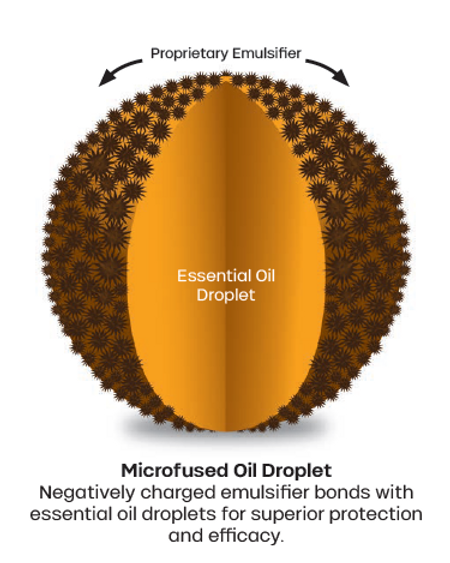
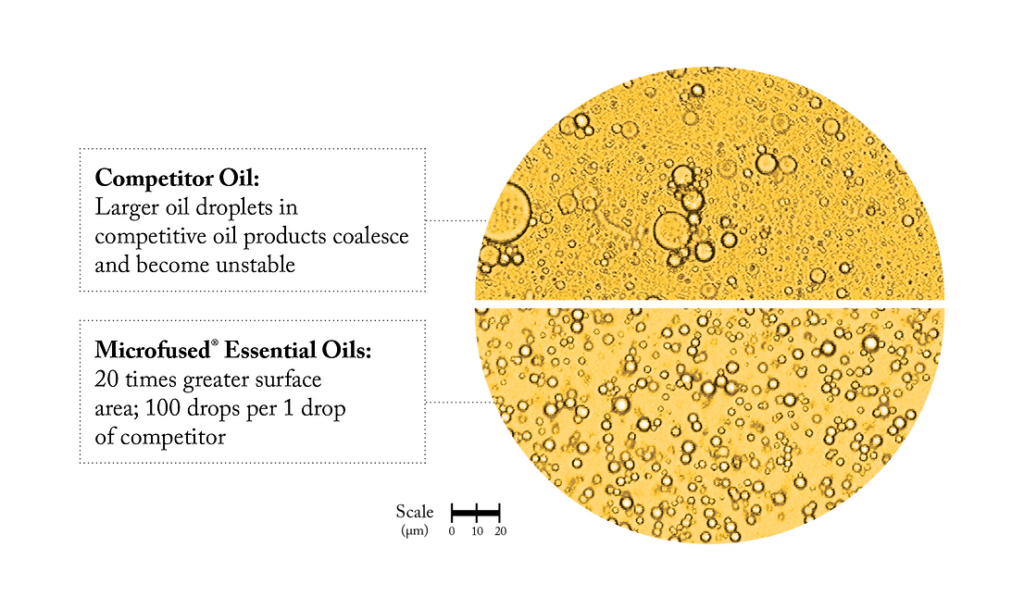
This combination of essential oils and Actifibe technology means more consistent pathogen management, stronger gut health and healthier pigs.
3. Formulation: The NEXUS™ Advantage
Every barn faces its own set of challenges, whether it’s respiratory stress, E. coli scours, or a viral outbreak. That’s why we use our NEXUS™ formulation approach to design oil blends that address each challenge with precision.
Each essential oil is evaluated for multiple NEXUS functions, including:
- Antimicrobial
- Antiviral
- Antioxidant
- Anti-inflammatory
- Immune regulation
- Competitive exclusion
- Nutrient utilization
- Homeostasis
By mapping these functions against specific production challenges, we’ve created blends that target more than 80 common livestock health issues. This approach isn’t one-size-fits-all, it’s built on lab science, validated in commercial trials and tailored to give producers confidence that the solution in their barn is the right one for the job.
What This Means for Your Farm
Most essential oils act indiscriminately (killing everything in the gut), evaporate quickly and vary in quality. Ralco’s essential oils are different. By combining selective sourcing, advanced extraction, Microfused and Actifibe technologies and the NEXUS formulation system, we provide producers with solutions that consistently support gut health, performance and profitability!
Ready to Strengthen Your Swine Health Program?
Ralco’s swine specialists are here to help you evaluate your operation and put our proven technologies to work for healthier pigs.