
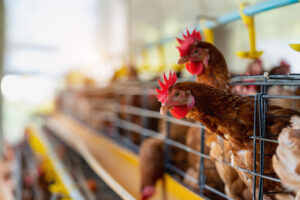
Understanding liver health is essential for optimal egg production. The liver plays a critical role in toxin filtration, vitamin metabolism and other factors which influence yolk and shell quality. Unfortunately, several diseases that harm the health and performance of laying hens attack the liver.
To prevent liver challenges, it’s important to first understand what a healthy liver looks like upon necropsy so you can spot challenges and make appropriate adjustments. Let’s take a closer look at the liver and examine three common conditions: mycotoxins, fatty liver and spotty liver.
What Does a Healthy Layer Liver Look Like?
While you don’t need to be your own veterinarian, it’s important to know a healthy liver from a diseased liver so you can spot abnormalities and give accurate information to technical experts for intervention.
A healthy layer liver should appear dark brown, uniform in color and can account for up to 4% of the bird’s body weight. During lay, it’s not uncommon for the liver to naturally change in color and become more pale/yellow or even chestnut brown.
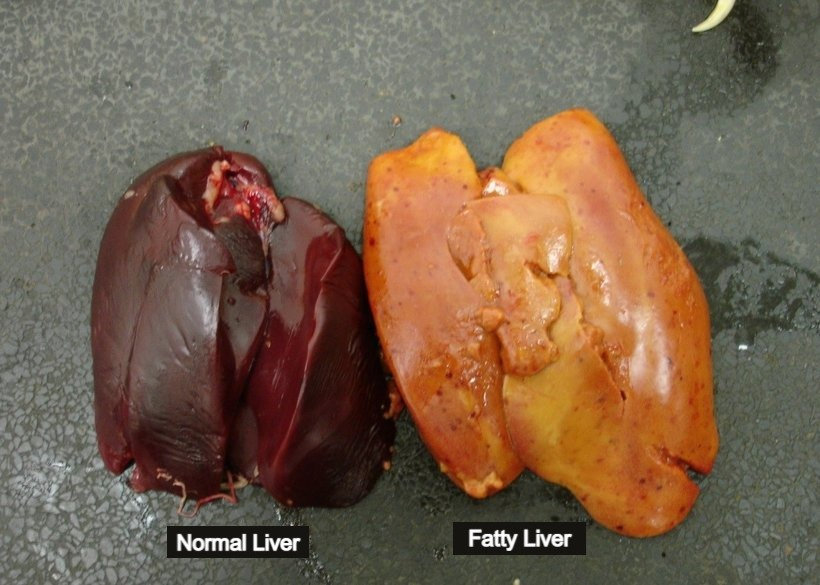
Normal, healthy liver (left) Fatty liver (right) – Image source: Hendrix Genetics
A healthy liver is a vital part of nutrient metabolism, vitamin storage, vitamin D activation and removal of waste and toxins.Because the liver can remove harmful toxins and pathogens, there are multiple conditions that present clinical signs on the liver.
Mycotoxin Liver
Mycotoxins are toxins produced by certain molds or fungi and can often be introduced to poultry through wet or contaminated grains. As one of the roles of the liver is to filter toxins, it’s most affected by mycotoxins with clinical signs often being an increase in size associated with fatty degeneration and yellowing in color.
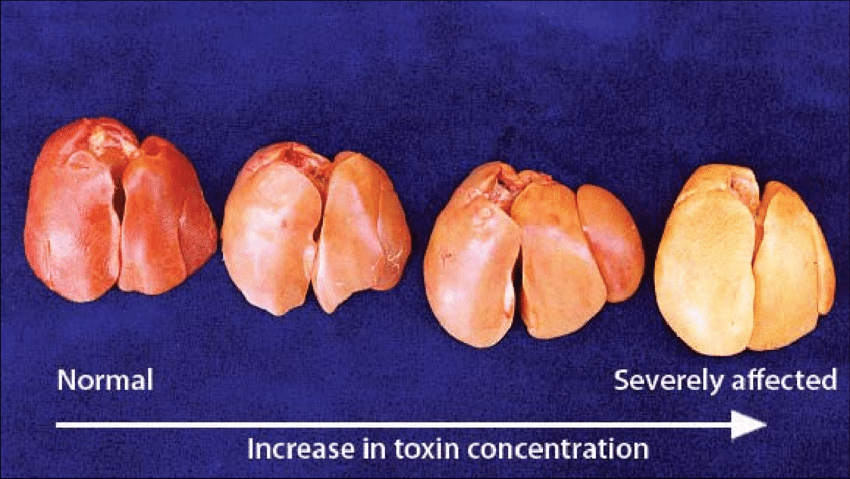
Normal, healthy liver (left) to severly affected mycotoxin liver (right) – Image source: Research Gate
Ultimately, mycotoxins damage the liver and impair its ability to remove toxins and regulate metabolism, leading to poor performance and even increased mortality in hens.
To limit mycotoxin exposure, producers should exercise caution when nearing the end of grain bins or regions with high mycotoxin levels. Fortunately, there are specialized products that can help bind and eliminate mycotoxins before they become an issue for your flock.
Fatty Liver
The term ‘fatty liver’ describes an accumulation of fat in the cells of the organ which can occur due to malnutrition or overfeeding. Fatty liver is often seen when birds have been fed diets high in energy or protein and has also been reported when they have been exposed to higher temperatures.
The liver appears enlarged (with up to 40% being fat) and brittle with varying degrees of hemorrhage (blood spots). Because of the liver’s role in metabolism, affected birds may also show decreased skeletal integrity and poor eggshell quality.
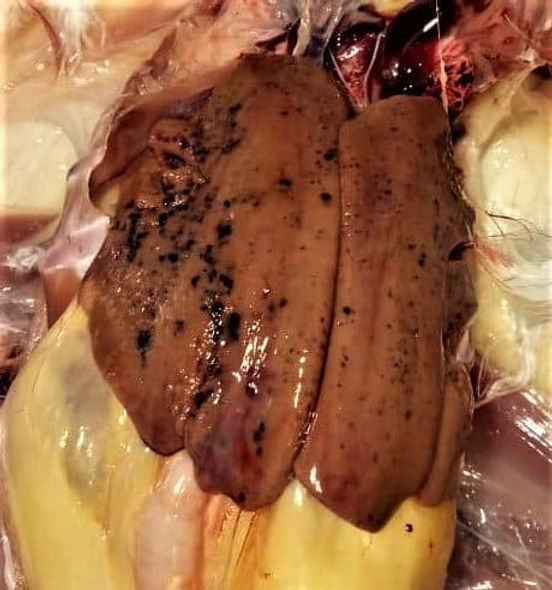
Fatty liver – Image source: Veterinary digital
Fatty liver is associated with positive energy (caloric) balance. Meaning, the best preventative measures producers can take are centered around monitoring bird body weight and feed intake so they can make nutritional modifications accordingly. Adding antioxidants and vitamin E and selenium may also help reduce incidence of fatty liver.
Spotty Liver
Spotty liver was first associated with free range production. However, it’s since been found across both caged and cage free operations. Spotty liver is often associated with a severe drop in egg production and a spike in mortality, even in excess of 1% per day, in flocks entering peak lay.
Upon autopsy, layers show characteristic white spots all over the liver. The bacterium, Campylobacter hepaticus, has been cultured and characterized as the primary causative agent of spotty liver.
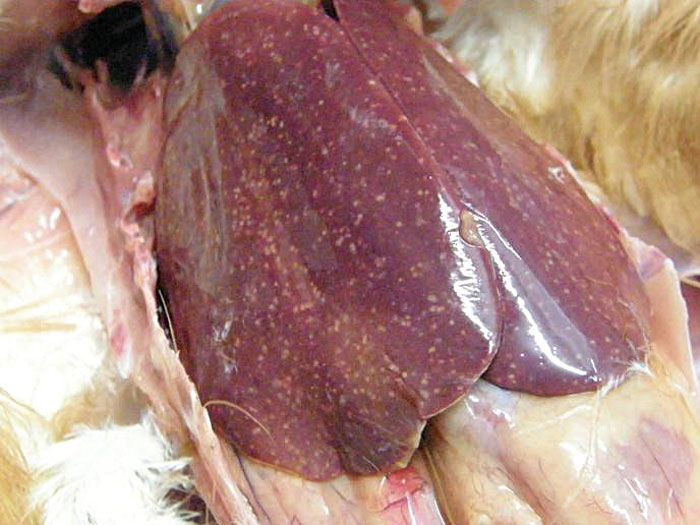
Spotty liver – Image source: WATT Poultry
Being that spotty liver is a bacterial based condition, antibiotics or antimicrobial additives have shown some efficacy in treating flocks. However, biosecurity and preventative programs remain the best course of action for producers due to difficulty of treatment.
Overall, layer liver health should always be top priority for poultry producers. By understanding what a healthy liver looks like and how each type of liver disease affects your layers, you can ensure timely intervention if needed and maintain healthy, high performing birds year-round!
How to Naturally Manage Liver Challenges in Layers
Aside from monitoring your flock’s feed intake, mortality and egg production to spot any abnormalities in liver health, there are also several natural ways producers can manage liver diseases in layers.
Feed additives that contain essential oils and prebiotics can help naturally boost bird immunity and reduce the occurrences of liver disease. Essential oils contain powerful antimicrobial and antioxidant properties that can help reduce the occurrences of spotty liver and fatty liver disease. Additionally, special silicates and vitamins can help bind mycotoxins and pass them through birds before they damage the liver.
Ralco’s Regano EX® is natural feed additive containing a patented blend of essential oils that’s proven to reduce pathogens and protect tissues from oxidative stress with 40x greater antioxidant properties than natural vitamin E. Regano EX is best utilized at the onset of disease challenges through the duration of clinical signs and symptoms. For mycotoxin control, Ralco’s IntegraFlo™is a feed additive designed with a unique molecular silicate structure that helps bind toxins before they can harm the liver and does not impair nutrient utilization.