
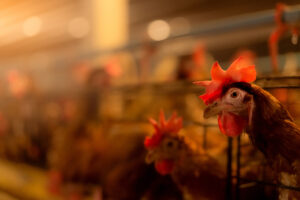
Salmonella is a very serious concern for commercial poultry producers. Flock infections can lead to foodborne illness in consumers, reduced flock performance and even increased flock mortality.
Now classified as an adulterant by the United States Department of Agriculture (USDA), Salmonella will have even stricter guidelines regarding control in poultry facilities and programs for monitoring Salmonella levels.
To prevent contamination, it’s important for producers to understand the sources of Salmonella, symptoms and management tips to ensure their flocks remain healthy. Let’s discuss ways to reduce Salmonella and how to do it naturally.
Understanding Salmonella Infections
According to the Center for Disease Control (CDC), Salmonella is responsible for about 1.35 million infections, 26,500 hospitalizations and 420 deaths in the United States every year. Salmonella bacteria are estimated to cause more foodborne illnesses than other bacteria found in consumable products.
Salmonella outbreaks can occur from several common grocery store products like chicken, turkey, beef, pork, vegetables, fruits, nuts and even processed foods. But according to the USDA poultry products are responsible for the majority of Salmonella related illnesses, roughly 23%.
What Causes Salmonellosis in Poultry?
Salmonellosis is caused by the bacteria, Salmonella enterica, which has over 2,500 subspecies that infect people and animals. It can be found in food, water or soil and can spread from one bird to another through contaminated feces or feed. Two of the most dangerous subspecies of Salmonella to humans is Salmonella typhimurium and Salmonella enteritidis.
Birds can acquire Salmonella from the feces of other birds or infected animals, but also from the egg. Hens with Salmonella infections can lay eggs containing Salmonella which could lead to infected chicks or even human exposure.
Symptoms of Salmonella in Poultry
Symptoms of Salmonella in poultry can be hard to detect. The most common symptoms include weakness, decreased feed intake, unthriftiness and high mortality rates. Unfortunately, birds don’t present many telltale Salmonella symptoms until it’s too late.
Similarly, birds infected with Salmonella may show signs of depression or diarrhea. These symptoms shouldn’t be ignored as Salmonella can spread if left untreated. Contact a veterinarian if an outbreak is suspected.
Good biosecurity and regular salmonella surveillance testing can help producers monitor their flocks for illness before it becomes an outbreak.
New USDA Salmonella Guidelines
The USDA established regulatory guidelines for reducing the risk of Salmonella outbreaks in commercial flocks starting in 2013 with the Salmonella Action Plan. These guidelines include routine testing of birds for the presence of Salmonella, proper sanitation and disinfection practices, good biosecurity measures such as limiting access to the farm and regular cleaning and disinfection of equipment and facilities used for raising birds.
The USDA Food Safety and Inspection Service (FSIS) framework now classifies Salmonella as an adulterant, meaning that any product contaminated with it must be recalled or destroyed immediately at the processing plant.
In 2024, the USDA FSIS proposed a historic framework to reduce Salmonella contamination and prevent illnesses linked to poultry products. The proposal includes the following key updates:
Final Product Standards: Poultry carcasses, parts and ground products must meet a threshold of less than 10 CFU per gram/ml of Salmonella. Products with any detectable level of harmful Salmonella serotypes, such as Enteritidis, Typhimurium, (for chicken) and Hadar, Typhimurium and Muenchen (for turkey), cannot enter commerce.
Pre-Harvest Testing: Poultry establishments must test incoming flocks for Salmonella before processing. This proactive measure aims to catch contamination at the source.
Microbial Monitoring Programs: Establishments must develop microbial monitoring programs to manage contamination during slaughter and processing.
Data-Driven Adjustments: FSIS continues to refine its approach through extensive data collection and stakeholder engagement, such as risk assessments and exploratory sampling.
This framework reflects a shift toward reducing public health risks by focusing on levels of Salmonella and its most virulent strains. The goal is safer food and fewer illnesses, aligning with FSIS’ mission to protect consumers.
How to Cook Poultry Properly
Ultimately, properly cooking poultry is one of the most effective ways to prevent Salmonella contamination from causing illness. Here are some key guidelines:
Temperature: Always cook poultry to an internal temperature of 165°F (74°C). Use a food thermometer to ensure accuracy.
Avoid Cross-Contamination: Use separate cutting boards, knives and utensils for raw poultry to prevent cross-contaminating other foods.
Clean Thoroughly: Wash hands, utensils and surfaces with hot, soapy water after handling raw poultry.
Store Safely: Keep raw poultry refrigerated at or below 40°F (4°C) and cook or freeze within 1–2 days of purchase.
Defrost Correctly: Thaw poultry in the refrigerator, not on the countertop, to minimize bacteria growth.
Cooking poultry thoroughly and handling it safely helps eliminate the risk of foodborne illness for consumers.
Management Tips to Reduce Salmonella Naturally in Broilers, Layers and Turkeys
The most important step a poultry producer can take to reduce Salmonella outbreaks in their flocks is by implementing good biosecurity practices throughout their operations.
The best tips to reduce Salmonella include:
Cleaning equipment and surfaces regularly
Disposing of manure and litter safely
Providing adequate ventilation
Separating or culling diseased birds
Disinfecting cages regularly
Avoiding overcrowding
Poultry producers should also practice good nutritional management, focusing on high quality feed ingredients that have been tested for pathogenic bacteria, such as Salmonella, prior to feeding their commercial flocks.
Lastly, producers should implement proper Salmonella vaccinations. Although vaccination programs cannot eliminate Salmonella from a flock entirely, they can help mitigate its impact by reducing clinical signs of infection and shedding levels among infected birds.
Effective Strategies for Managing Salmonella in Poultry
Fortunately, there are ways producers can naturally reduce Salmonella outbreaks without relying on antibiotics that may cause drug resistance issues or other unwanted side effects.
One option is using essential oils, which have been shown to have antimicrobial properties against certain strains of Salmonella and be effective at reducing bacterial load when ingested through water or feed.
Another option is adding probiotic and prebiotic supplements to feed rations which can help support overall gut health by promoting beneficial bacteria populations to help crowd out potentially harmful pathogens before they become established within a flock.
Yeast and mannan-oligosaccharides (MOS) are another way to reduce pathogen load, specifically Salmonella and E. coli, by acting as a receptor in the gut to attract and bind pathogens. Beta glucans help promote healthy immune function with further binding properties, reducing adhesion of Salmonella and E. coli to the digestive tract before they can cause harm.
Feed and Water Additives to Manage Salmonella in Poultry
For over 50 years, Ralco has focused on providing innovative, natural solutions for poultry health and nutrition. Two of the products in Ralco’s lineup, IntegraMOS® and Regano®, are designed for use in poultry feed and water during times of challenge.
IntegraMOS is a prebiotic yeast feed additive made with Saccharomyces cerevisiae, a yeast that contains components such as MOS and beta-glucans.
Regano is a feed and water additive formulated with patented Microfused® Essential Oils and Actifibe® Prebiotic, which are designed to enhance feed strategies for poultry care.
These products complement poultry management practices and align with producers’ goals for flock support.
By implementing natural feed additives and using the management tips listed above, commercial poultry producers can help ensure the health of their flocks while also protecting consumers who purchase their products from potential harm caused by Salmonella contamination.
To learn more about IntegraMOS and Regano, contact Ralco at 1 (800) 533-5306 or email us at info@ralcoagriculture.com.
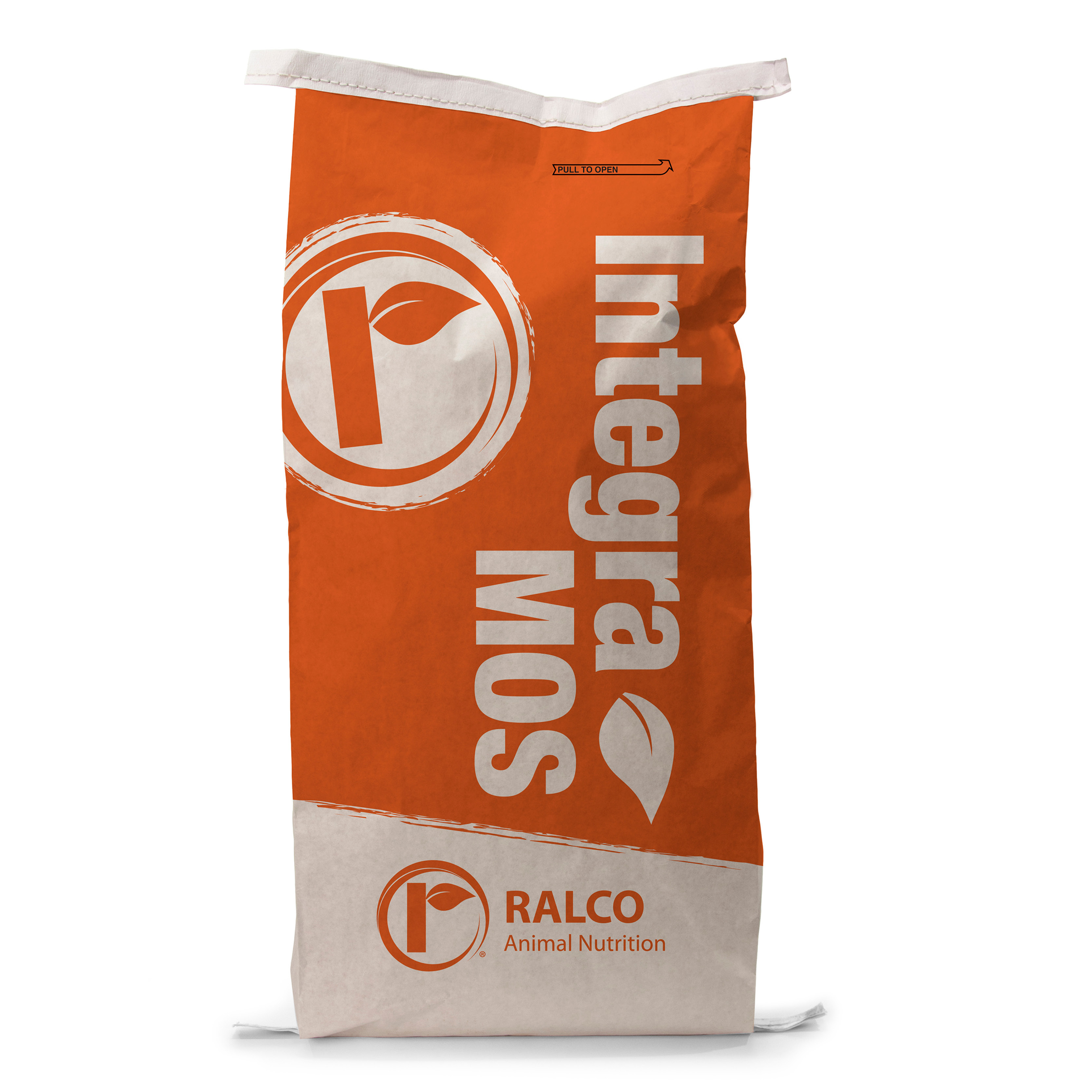
IntegraMOS – High-Quality Yeast Feed Additive
IntegraMOS is a high-quality prebiotic yeast product that helps support the immune system of birds during times of challenge. Contains a specially selected yeast (Saccharomyces cerevisiae) and is rich in mannan-oligosaccharides (MOS) and beta-glucans.
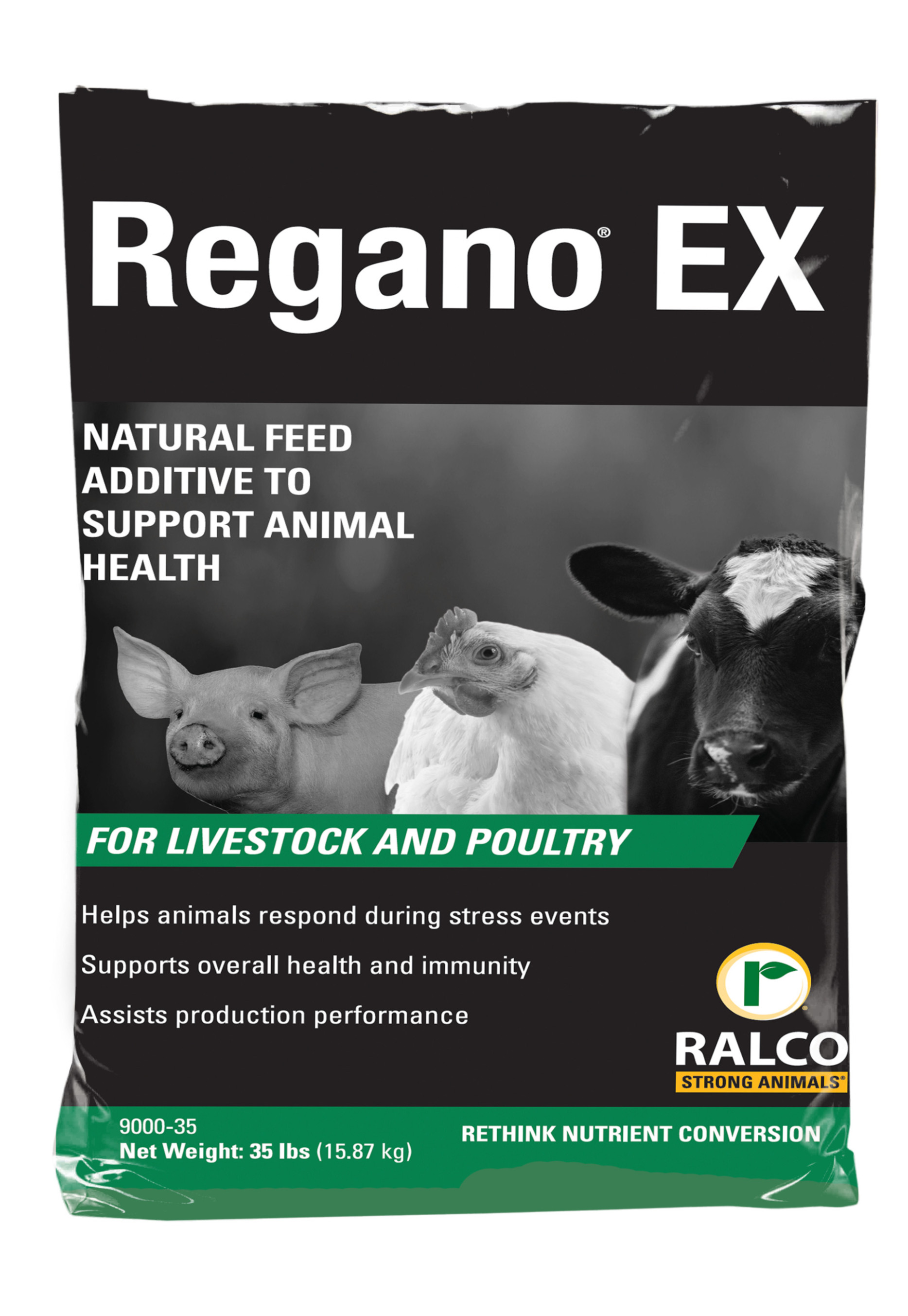
Regano EX Dry – For Times of Challenge Regano EX Dryis the most trusted natural feed additive to support during times of health challenges. It contains patented Microfused oregano and thyme essential oils and Actifibe Prebiotic.
References: