
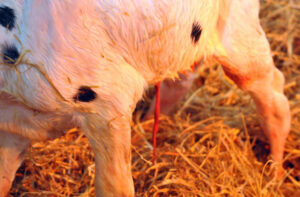
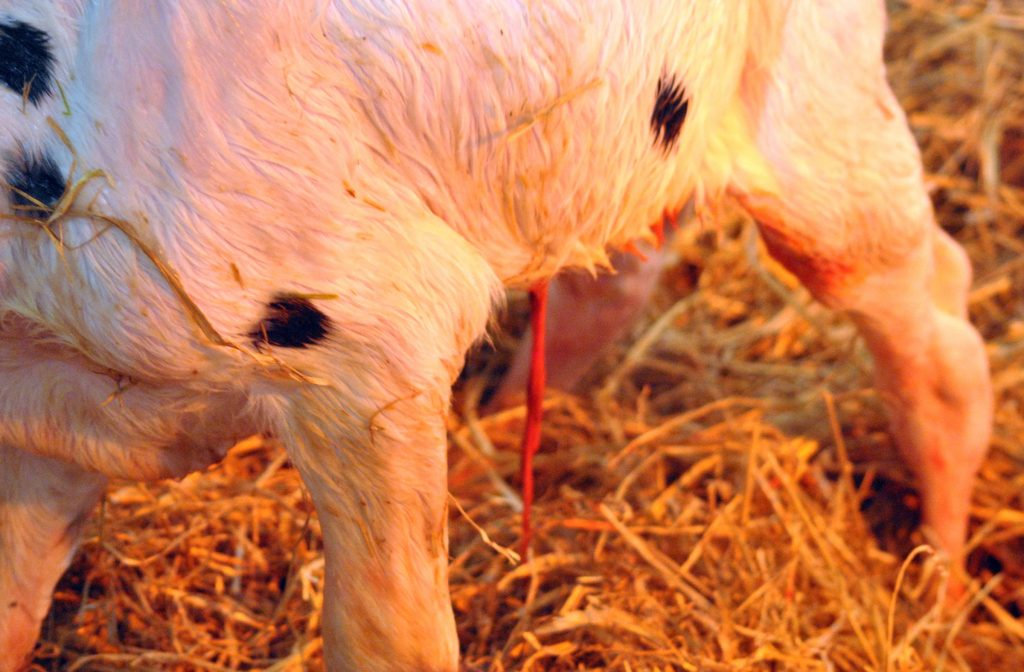
Navel infections, commonly known as navel ill, are increasingly affecting young dairy calves. If left untreated, these infections can harm calf health and reduce farm productivity. Here’s a guide to understanding the causes, recognizing symptoms and preventing navel infections effectively.
What Are Navel Infections?
Navel infections occur when bacteria enter the calf’s body through the navel stump, the remnant of the umbilical cord that connects the fetus to the cow during gestation. Under normal conditions, the navel stump dries and falls off within two weeks. However, until it heals, the stump serves as a potential entry point for pathogens which can spread quickly through the bloodstream to vital organs such as the liver, kidneys, brain and lungs.
According to Bovine Veterinarian, 5 to 20% of calves in the United States develop navel infections, and approximately 1.6% of calf deaths are linked to this condition. Without proper care, these infections can result in systemic health issues, abscesses, hernias and calf mortality. (1) Some deaths can occur in as little as 2-3 days. (5)
Causes of Navel Infections
Several factors contribute to the development of navel infections, including:
Inadequate Colostrum Intake: Colostrum provides the calf’s initial immunity against diseases. Calves that receive insufficient colostrum or poor-quality colostrum are at higher risk for infections. To maximize colostrum consumption, use oral drenches such as Start Strong for Calves, to provide an energy boost to calves and get them up and drinking fast after birth.
Improper Navel Care: Treating the navel stump with an iodine tincture immediately after birth is critical. Iodine acts as an antimicrobial and drying agent, reducing the likelihood of bacterial colonization. Ensure the iodine is applied thoroughly to the base of the stump for maximum effectiveness.
Environmental Conditions: Wet, dirty or fly-infested environments increase the risk of bacterial contamination. Make sure the calving area is clean and dry to help prevent infections.
Neglected Bull Calves: Bull calves often receive less attention than heifers, yet they are equally susceptible to navel infections. Studies indicate bull calves have a 15-20% higher risk of developing navel infections.
(1)
Signs of Navel Infections in Calves
Early identification of navel infections is crucial for successful treatment. Symptoms can vary, so careful observation is necessary.
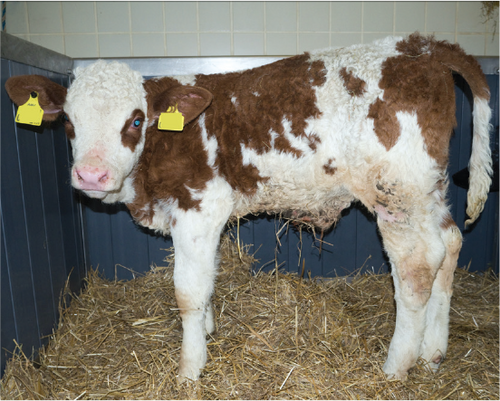
Picture credit: BVA Journals InPractice
Navel Area Symptoms:
Swelling, redness or wetness around the navel stump.Heat or tenderness in the navel area.
- Arched back and posture changes.
Systemic Symptoms:
Depression or lethargy.
Swollen joints or lameness.
Cloudy eyes.
Reduced appetite or diarrhea.
Fever, though some calves may show a drop in body temperature due to reduced milk intake.
Subclinical Infections:
In some cases, navel infections spread internally without external signs. Gently pinching the navel stump and observing for pain reactions can help identify hidden infections.
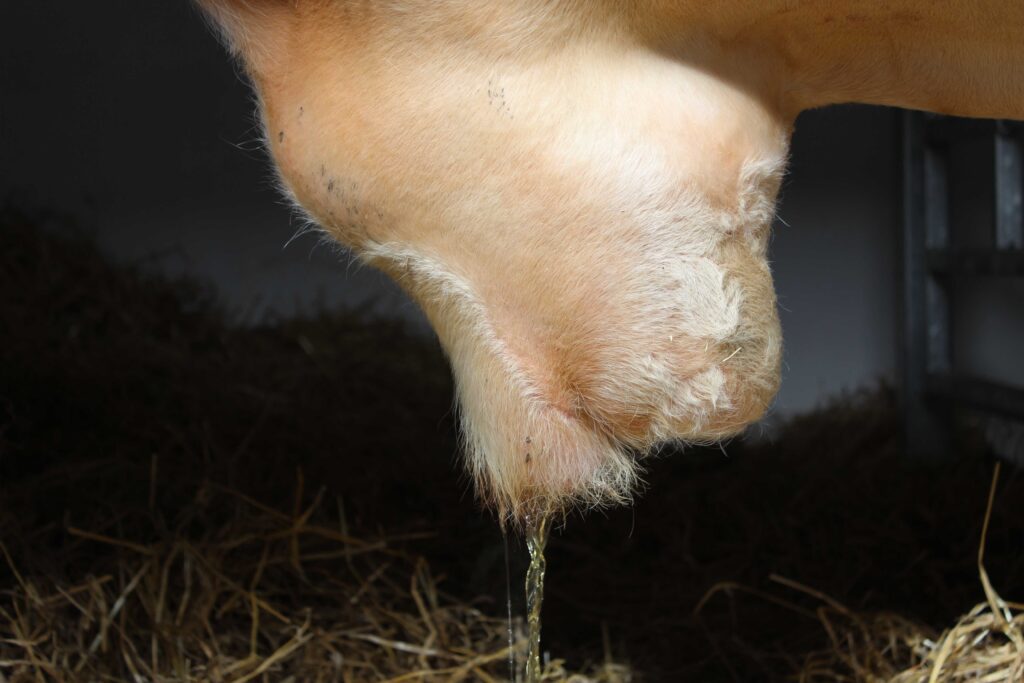
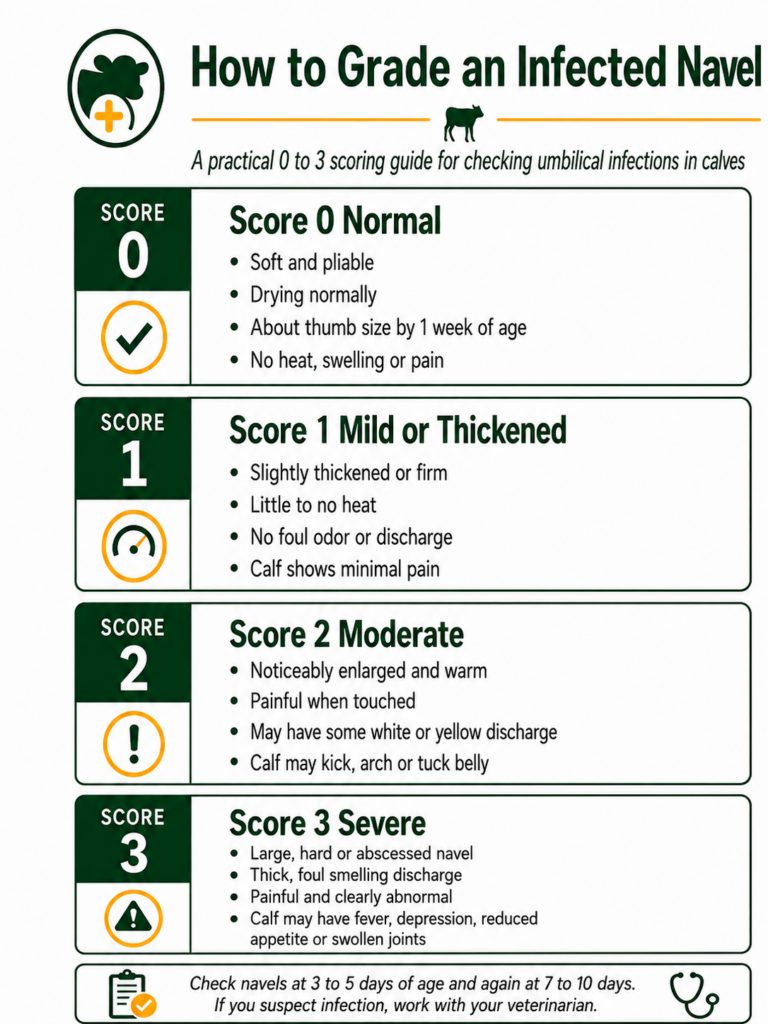
How to Grade a Navel Infection
Knowing what to look for can help you catch navel infections before they become more serious.
Use this simple 0 to 3 scoring guide to check calf navels at 3 to 5 days of age and again at 7 to 10 days. If a navel is swollen, warm, painful or has discharge, work with your veterinarian to determine next steps.
Screwworm and Navel Infection Risk
Navel care becomes even more important during fly season and in areas where New World screwworm is a concern.
New World screwworm flies are attracted to fresh wounds and body openings, including the moist umbilical stump of newborn calves. When eggs hatch, the larvae feed on living tissue, which can turn a small navel irritation or infection into a serious wound. (2, 3)
A wet, swollen or infected navel can create the right environment for flies, delay healing and increase the risk of secondary bacterial infection. Screwworm infestations can also cause intense pain, tissue damage, reduced appetite, depression and, if left untreated, serious illness or death.
Watch newborn calves closely for signs such as:
- A navel that stays wet, swollen, hot or irritated
- Bloody, watery or foul smelling discharge
- Small white egg masses or larvae near the navel
- A wound that appears to be deepening instead of healing
- Sudden lethargy, isolation, discomfort or reduced nursing
If screwworm is active in your region, inspect newborn calves at least twice daily and contact your veterinarian or animal health officials immediately if you suspect an infestation. Prompt reporting and treatment are critical.
When possible, consider timing higher-risk calving periods for cooler seasons when fly pressure is lower. For operations that calve year-round, including many larger dairies, the focus should be on tightening newborn protocols and fly protocols during warmer months.
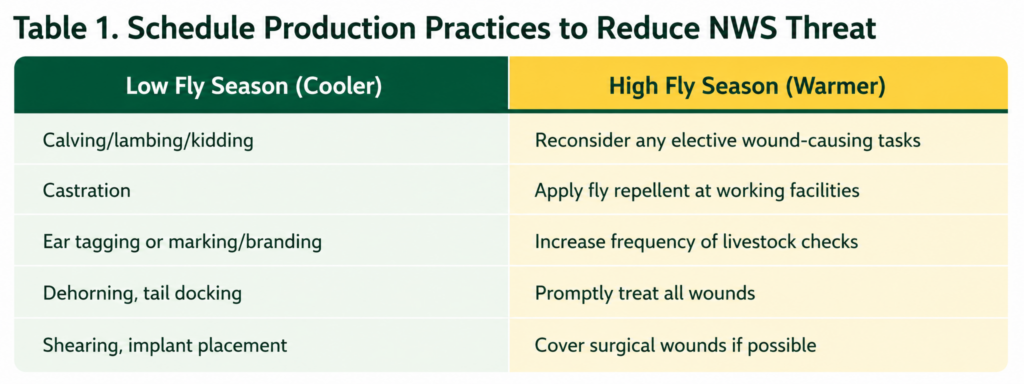
Avoid procedures such as ear tagging, branding, dehorning or castration on the day of birth in high-risk fly seasons. (Table 1) Even small wounds can attract flies and create another entry point for infection. During warmer months or in areas where New World screwworm is a concern, work with your veterinarian to determine the safest timing for processing and wound protection. (2, 3, 4)
To help reduce risk, keep calving areas clean and dry, dip navels immediately after birth, limit unnecessary wounds during active fly season and work with your veterinarian on approved fly control for New World screwworm and wound protection options.
Table 1. Schedule Production Practices to Reduce NWS
Treatment Options for Navel Infections
If a calf shows signs of a navel infection, work with your veterinarian to evaluate the calf and determine the best treatment program. Early detection is important because delayed care can lead to systemic complications, higher medical costs and reduced calf performance.
Depending on the severity of the infection, your veterinarian may recommend antimicrobial therapy, supportive care or additional intervention if the infection has spread internally.
Infected calves may also reduce milk intake, which can lead to weight loss and performance setbacks.
Preventing Navel Infections
Prevention is the most effective strategy for managing navel infections. Implement these key practices:
1. Ensure Effective Colostrum Management
Administer high-quality colostrum to calves within the first few hours after birth to enhance immunity.
Use products such as Ralco’s IntegraMOS to support the cow during times of stress and helps with colostrum quality.
Use oral drenches such as Start Strong for Calves after birth to ensure maximum colostrum intake.
2. Practice Proper Navel Care
- Dip the navel stump immediately after birth, ensuring complete coverage. Dip the navel stump versus spraying it..
- While 7% iodine is often recommended, it’s not always easy to find and it’s regulated. Other navel care options may include products with chlorhexidine and alcohol or other approved navel dip ingredients. Work with your veterinarian to choose the best option for your operation.
- Don’t use teat dips as navel dips. Navel dips should include both a drying agent and an antimicrobial agent to help dry the stump and reduce bacterial contamination. Teat dips are designed for teat skin, so they may not dry the navel stump properly or provide the right level of protection for navel care.
- Also avoid clamping the navel stump, as this can trap bacteria and exacerbate infections.
3. Maintain Clean and Dry Environments
- Provide clean, dry calving areas to minimize bacterial exposure.
- Regularly disinfect calving pens and equipment.
- During fly season or in areas where New World screwworm is a concern, increase newborn calf checks and monitor navels closely for wetness, discharge, odor, egg masses or larvae. Work with your veterinarian on approved fly control and wound protection protocols. (2, 3)
4. Address Bull Calves Equally
Provide the same level of care to bull calves as to heifers, including iodine treatment and proper colostrum feeding.
5. Monitor Calves Daily
Check for signs of navel infections regularly and act quickly if symptoms are observed.
Consult a veterinarian for guidance when needed.
Why Are Navel Infections Becoming More Common?
Over the years, farmers and veterinarians have noticed an increase in navel infections among calves. Several factors may explain this trend such as improved education and awareness meaning more cases are being identified and reported. Additionally, environmental conditions such as prolonged wet periods can create ideal breeding grounds for bacteria, increasing the risk of infection. Another persistent challenge is ensuring calves receive adequate colostrum, which is vital for their immune defense. These challenges highlight the importance of proactive and consistent management practices to prevent infections.
Bottom line, preventing navel infections is a key opportunity to support healthy calf development. By prioritizing proper colostrum management, practicing effective navel care and maintaining clean, comfortable environments, dairy producers can set their calves up for success. With early detection and swift care, you can protect your calves from infection and help them thrive from the start!
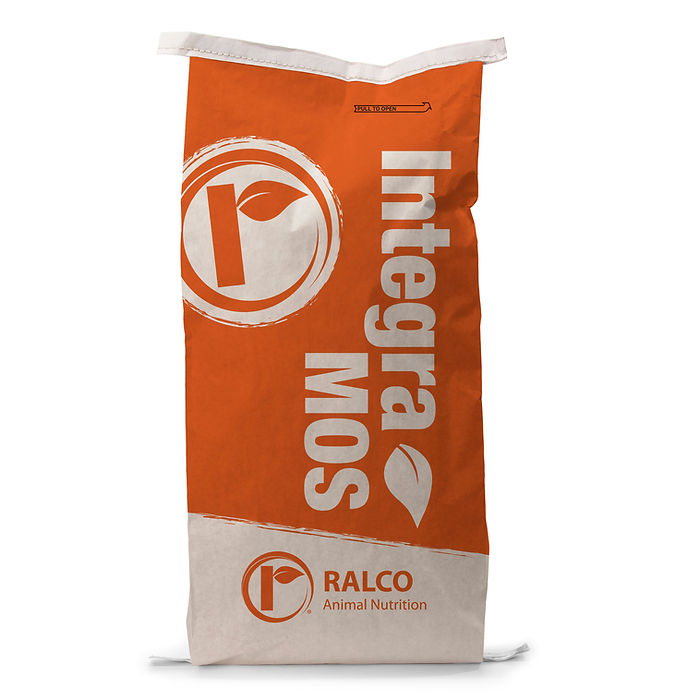
IntegraMOS – High Quality Yeast Product for Cows
IntegraMOS is a high-quality yeast product to support cows and improve colostrum quality for a more profitable calving season.
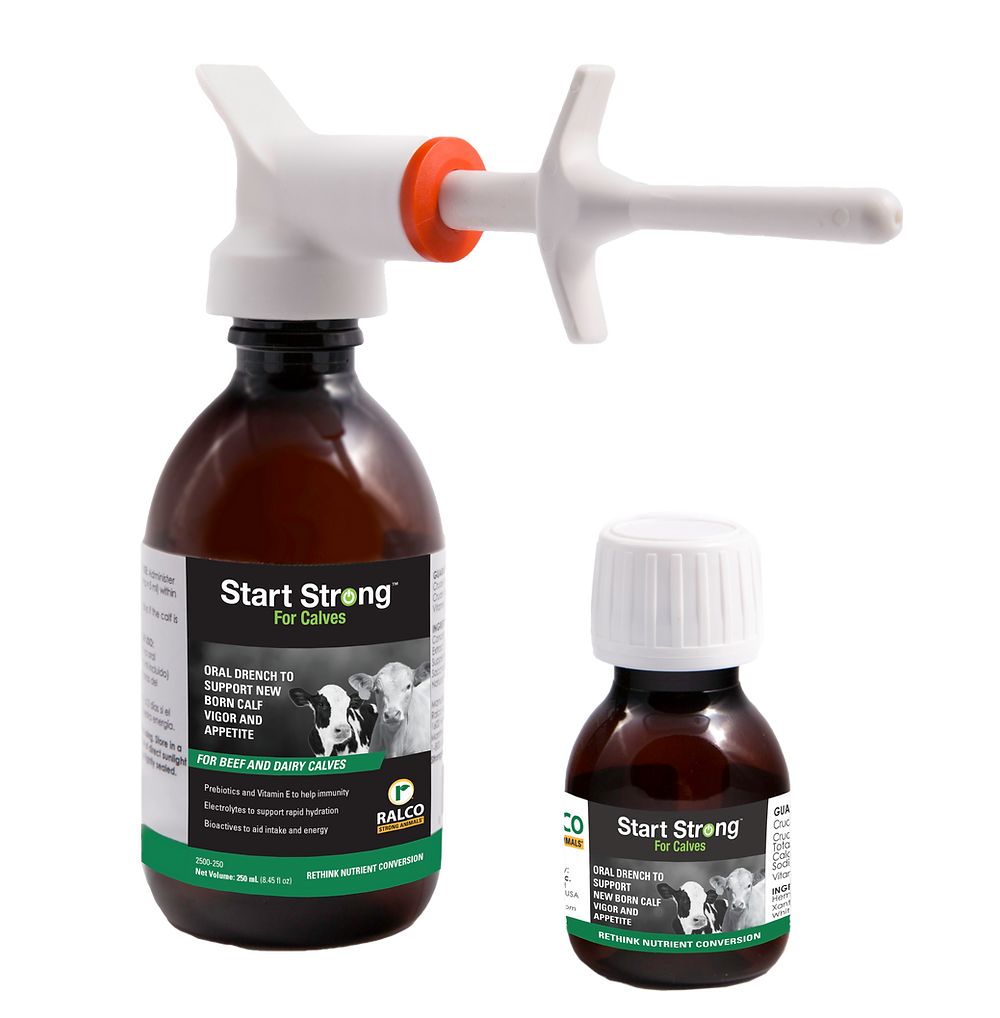
Start Strong for Calves – Maximize Colostrum Intake
Start Strong for Calves is a natural oral drench that supports appetite, digestive health and provides newborns with the energy they require.
References: