

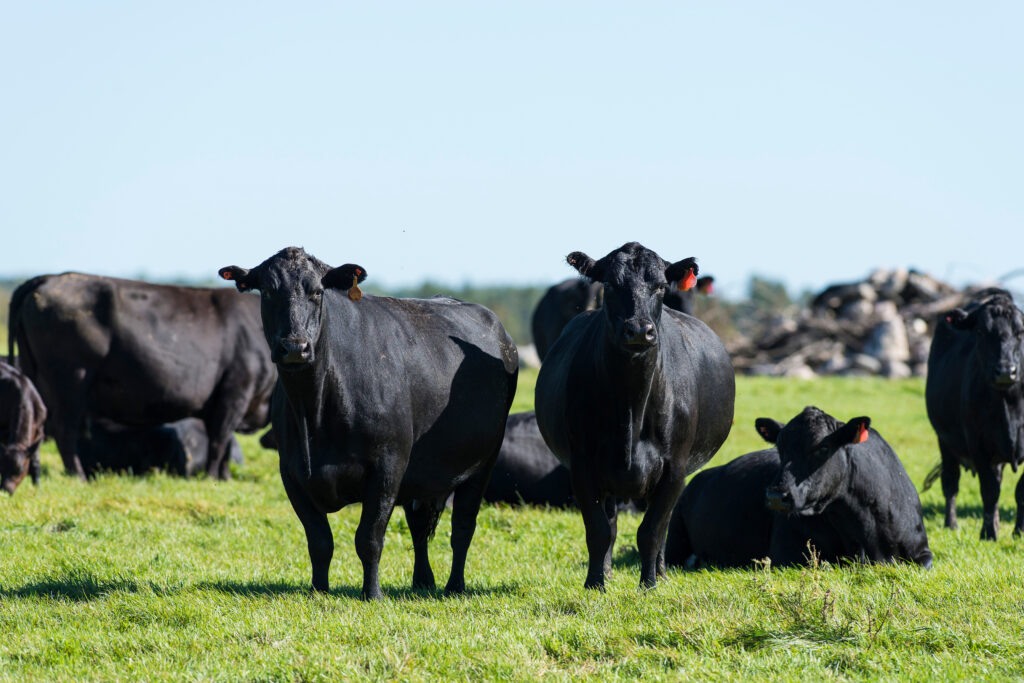
The last 60-90 days before calving are arguably the most critical period in a beef operation. The old saying, “An ounce of prevention is worth a pound of cure,” couldn’t be truer in this context.
During the last trimester, good management is important for setting up both cows and calves for long-term success. During this last 90 days, cow energy and protein needs increase, colostrum production begins and approximately 75% of fetal growth takes place.
To put it in perspective, a calf weighing 65-90 pounds at birth gains roughly 48-67 pounds during the final trimester alone. This rapid period of fetal development highlights the importance of providing adequate nutrition to support both the cow and her developing calf.
Below are four key areas to focus on before calving to set your herd up for success.
Cow Body Condition Scores Before Calving
Late gestation is a critical window to improve or maintain a cow’s body condition before increased energy demands of lactation begin. Adequate nutrition during this period supports fetal growth while helping the cow maintain the body reserves needed for calving, milk production and reproductive performance.
Depending on her current body condition and nutritional status, a cow may need to gain 100 pounds or more during late gestation to meet these demands without depleting her own reserves.
When nutrient intake falls short, the cow must prioritize how available nutrients are used. Under severe nutrient restriction, fetal growth and development can be compromised. More commonly, during mild to moderate drought conditions, cows may maintain pregnancy by mobilizing their own body reserves to support the developing calf. This loss of body condition can affect the cow’s ability to recover after calving and may influence calf development, immune function, growth and eventual carcass performance.
The effects of inadequate nutrition during gestation may extend beyond the current calf crop. If heifers born to nutrient-restricted cows are retained as replacements, changes in their development and future productivity may influence the next generation. This process, known as fetal programming (which we’ll explore later in this blog), shows how a cow’s nutrition during pregnancy can influence herd performance across multiple generations
Ideally, cows should have a body condition score (BCS) of 5 or better at calving. Maintaining adequate body condition helps support postpartum recovery, earlier return to estrous cycling and improved reproductive performance. Cows in appropriate condition at calving are more likely to achieve higher pregnancy rates and breed back within a tighter calving window.
Research from the University of Idaho states that cows with a BCS of 4 or less had pregnancy rates 9-29% lower than cows with a BCS of 5 or greater. However, more body condition is not always better. Cows with a BCS of 7 or higher may have an increased risk of dystocia (birth challenges) and excessive condition can negatively affect colostrum production and quality.
Ultimately, cow condition and calf performance are intertwined. Providing adequate nutrition throughout gestation helps the cow maintain the body reserves needed for calving and lactation while supporting the health and development of her calf. Managing body condition before calving is an important step toward building a productive cow herd.
Not sure where your cows fall on the body condition scale? Use these online charts and visual aids to evaluate your herd and determine whether adjustments to your nutrition program are needed before calving.
Cow Nutrition Prior to Calving
As cows enter late gestation, their nutritional requirements increase to support rapid fetal growth, prepare for calving and build reserves needed for lactation. Energy requirements can increase by 25% while protein requirements can increase by 10%. Mineral and vitamin nutrition also becomes increasingly important during this period.
As the calf develops, the cow needs adequate macrominerals, including calcium and phosphorus, along with essential trace minerals such as copper, selenium and zinc. Vitamins A and D also play important roles in supporting normal fetal development, immune function and overall calf health. Meeting these nutritional requirements helps prepare both the cow and calf for a successful start.
Late gestation is the ideal time to introduce a breeder mineral. Providing a high-quality mineral supplement 60–90 days before calving gives the cow time to build and maintain adequate nutrient reserves leading up to birth. Although this may seem early, the timing is intentional. In many ways, a breeder mineral could just as easily be called a calving mineral because of the important role it plays in preparing the cow for calving and the next breeding season.
Including a breeder mineral in your late-gestation nutrition program helps supply essential vitamins and minerals needed to support colostrum production, calf vigor and cow reproductive performance. Planning ahead with the right mineral program is an important step toward getting the next calf crop off to a strong start and setting cows up for success in the breeding season ahead.
What is Fetal Programming in Cows?
When a cow’s nutrient requirements are not met during pregnancy, fetal programming may be affected. Fetal programming refers to how the nutritional and environmental conditions experienced in the uterus can influence fetal development, with potential long-term effects on the calf’s health, growth and performance throughout its life.
Research suggests inadequate maternal nutrition during gestation can have lasting consequences, including reduced weaning weights, decreased immune response, lower carcass weights, decreased reproductive performance and potential impacts on beef tenderness and meat quality. These effects highlight why nutrition during pregnancy is an investment in more than just the next calf crop.
In late gestation, the unborn calf relies heavily on the cow for nutrients needed for muscle and organ development, fat deposition and overall tissue growth. When nutrient intake is restricted due to drought, poor-quality forages or cold stress, fewer nutrients may be available to support fetal development. This can result in severe consequences, such as calf mortality. Even in less extreme cases, nutrient restriction can lead to lower birth weights and increased health challenges in calves.
The potential effects of inadequate nutrition may extend across generations. Research on fetal programming suggests that nutritional challenges experienced by a pregnant cow may influence the development and future performance of her offspring, with possible implications for subsequent generations. Although the extent and economic impact of these multigenerational effects require further study, maintaining adequate nutrition during pregnancy remains an important part of long-term herd management.
The key is to prevent nutrient deficiencies. Evaluate forage quality, cow body condition and environmental stressors to determine whether additional supplementation is needed. Providing protein and mineral supplementation throughout gestation, especially during the last 60-90 days helps meet the cow’s increasing nutritional demands and supports healthy calf development.
A well-planned protein and mineral supplementation program can help address nutritional gaps and prepare cows for calving and the next breeding season. Investing in nutrition today can help support calf performance, cow productivity and the long-term success of your herd.
Learn more about fetal programming in this webinar presented by Dr. Jennifer Young, Ralco Ruminant Nutritionist.
Vaccinations Prior to Calving
Calves are born with an immature immune system and depend on colostrum for early immune support. Colostrum plays a critical role by providing passive immunity through antibodies transferred from the cow. The quality of that early support depends in part on the antibodies available in the colostrum, which makes pre-calving vaccination an important consideration in a herd health program.
In the weeks leading up to calving, cows transfer antibodies from their bloodstream into the mammary gland, where they accumulate in colostrum. This process begins approximately 3–5 weeks before calving, making late gestation an important window for timing vaccinations.
Work with your veterinarian to develop a vaccination program timed appropriately before calving. Because vaccination timing can influence antibody levels in colostrum, a well-planned program, combined with proper colostrum management and timely intake after birth, helps give newborn calves a stronger start.
Improving Colostrum Quality Before Calving
Improving colostrum quality starts well before calving. Ensuring good body condition, following a strategic vaccination program and providing adequate nutrition are key factors in improving colostrum quality for calves. In addition, targeted nutritional strategies, including yeast cell wall products and a high-quality mineral program, may provide further support to enhance colostrum quality and immune function.
Ralco’s IntegraMOS is designed to support the cow’s immune system during periods of stress and challenge for a more profitable calving season. A quality mineral supplement, such as Rumatec, also helps provide essential trace minerals and vitamins that support normal fetal development and immune function during late gestation.
When choosing a mineral program, pay special attention to the selenium source. The form supplied and the cow’s nutritional status influence the selenium available to her calf before birth and through colostrum and milk. Research shows that selenium yeast, which contains organic forms such as selenomethionine, can increase selenium concentrations in colostrum and milk compared with sodium selenite. Adequate selenium supports normal immune function and antioxidant defense, making it an important part of preparing calves for a strong start.
Mineral nutrition is also important as calves grow and begin eating solid feed. Offering a palatable, balanced mineral supplement early helps calves become familiar with it, even though intake may be low at first. As they consume more feed and forage, that supplement can help meet their growing nutritional needs.
Bottom line, giving calves a strong start begins with the cow and continues after birth. Meeting her nutritional needs, managing colostrum effectively and supporting the calf’s changing mineral needs all help build a foundation for health and growth.
Schedule a free mineral consultation with a ruminant nutritionist today by calling 507-337-6916 or emailing RuminantHelp@RalcoAgriculture.com.
References:
Moriel, Philipe.“Fetal Programming: Cow Nutrition and Its Effects on Calf Performance: NC State Extension Publications.” NC State State Extension Publications, NC State, 26 Feb. 2016
Hall, John B. “Management in Late Gestation Is Important to Two Calf Crops.” Extension Beef Cattle University of Idaho, University of Idaho,15 Jan. 2006
“Pre-Calving Vaccinations for Pregnant Cows.” Drovers, 4 Jan. 2016.