
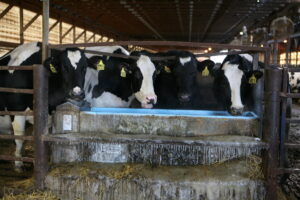
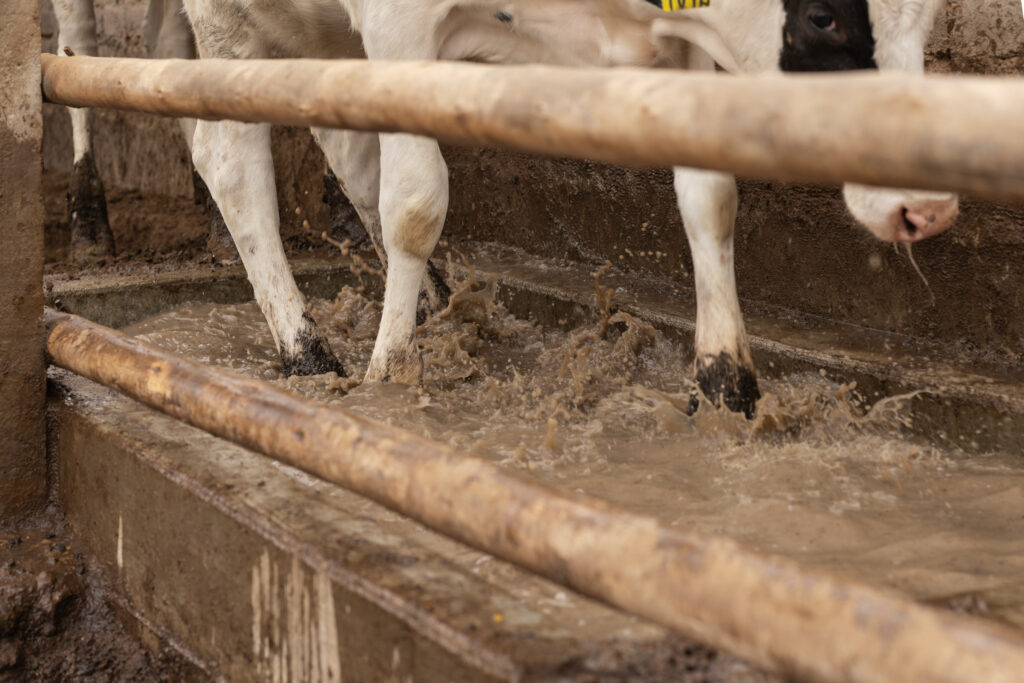
When a dairy cow becomes lame, digital dermatitis often gets the blame. However, not every sore foot is hairy heel wart.
A common rule of thumb says that approximately 90% of bovine lameness begins below the fetlock (the joint just above the hoof), 90% occurs in the rear legs and 90% affects the outside claw of the rear foot. (1) While it isn’t a hard rule, it’s a good reminder to start with the hoof. It doesn’t, however, tell you which hoof issue you’re dealing with.
Digital dermatitis, foot rot, heel erosion, sole ulcers, white line disease and abscesses can all cause lameness. They don’t have the same cause and shouldn’t be treated the same way.
Start with Infectious vs. Noninfectious Issues
One of the simplest ways to sort through hoof problems is to divide them into two categories.
- Infectious hoof issues involve bacteria and can spread through the herd or environment. These include:
- Digital dermatitis
- Interdigital dermatitis and heel horn erosion
- Foot rot (1,2)
- Noninfectious hoof issues generally begin with pressure, trauma, hoof imbalance, poor flooring or damage to the hoof horn. These include:
- Sole ulcers
- White line disease
- Thin soles
- Toe ulcers
- Hoof cracks
- Sole or white line damage that can lead to abscess formation (1,2)
A noninfectious injury can still become infected. For example, a stone may work into the white line, or a sole ulcer may create an opening that allows bacteria to enter and form an abscess. This is why simply assuming every lame cow is a case of foot rot or digital dermatitis can lead to the wrong response.
Digital Dermatitis and Hairy Heel Warts Are the Same Disease
Digital dermatitis is also commonly called hairy heel wart, heel wart or strawberry heel wart. These are different names for the same highly contagious disease.
Digital dermatitis usually appears on the skin near the heel bulbs, most often on a rear foot. Active lesions may look red, raw, circular or strawberry-like. Chronic lesions can become raised and develop hair-like projections. Even relatively small lesions can be extremely painful. (2)
The disease is associated with bacteria in the Treponema group, and the environment plays a major role. Wet feet, manure buildup, crowded pens and chronically dirty walking surfaces increase exposure and allow the infection to spread more easily. (2) Purchased animals, returning show animals and heifers raised at another facility may also introduce digital dermatitis into a herd as the bacteria can easily be introduced from outside sources.
Once digital dermatitis is established, it can be extremely difficult to eliminate from the herd. Individual lesions can heal and become inactive, but cows may experience future flare-ups. Treatment commonly focuses on direct topical application to active lesions under veterinary direction. Footbaths help control new infections and keep chronic lesions inactive, but they aren’t designed to cure an active lesion. (2,4)
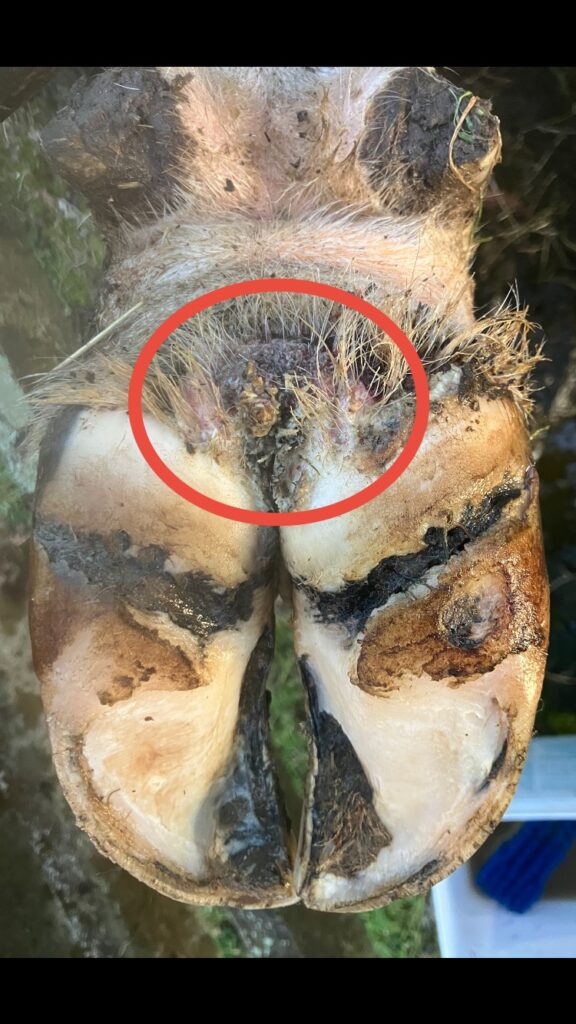
Digital Dermatitis/Hairy Heel Wart
Picture credit: Vetora Vet Club
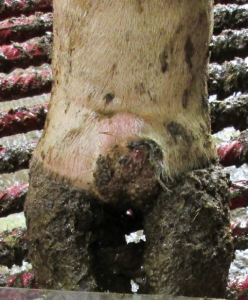
Digital Dermatitis/Hairy Heel Wart
Picture credit: University of Minnesota Libraries
The Different Stages of Digital Dermatitis
Digital dermatitis doesn’t always look the same. Lesions can be small and newly developing, painful and active, healing or chronic. The M stage scoring system gives dairy producers, veterinarians and hoof trimmers a consistent way to describe what they’re seeing and track how digital dermatitis is changing within the herd. (7)
The system uses six scores:
- M0 – Healthy skin with no signs of digital dermatitis. (This stage is not recorded).
- M1 – A small, early lesion less than 2 centimeters in diameter. It’s typically red or gray and may develop into a more active lesion.
- M2 – An active lesion larger than 2 centimeters. It’s often bright red, raw and painful and represents the classic active stage of digital dermatitis.
- M3 – A healing lesion that is typically covered with a firm, scablike surface.
- M4 – A chronic lesion where the skin has become thickened or developed raised, wart like growths.
- M4.1 – A chronic M4 lesion with a new, small active area developing within it.
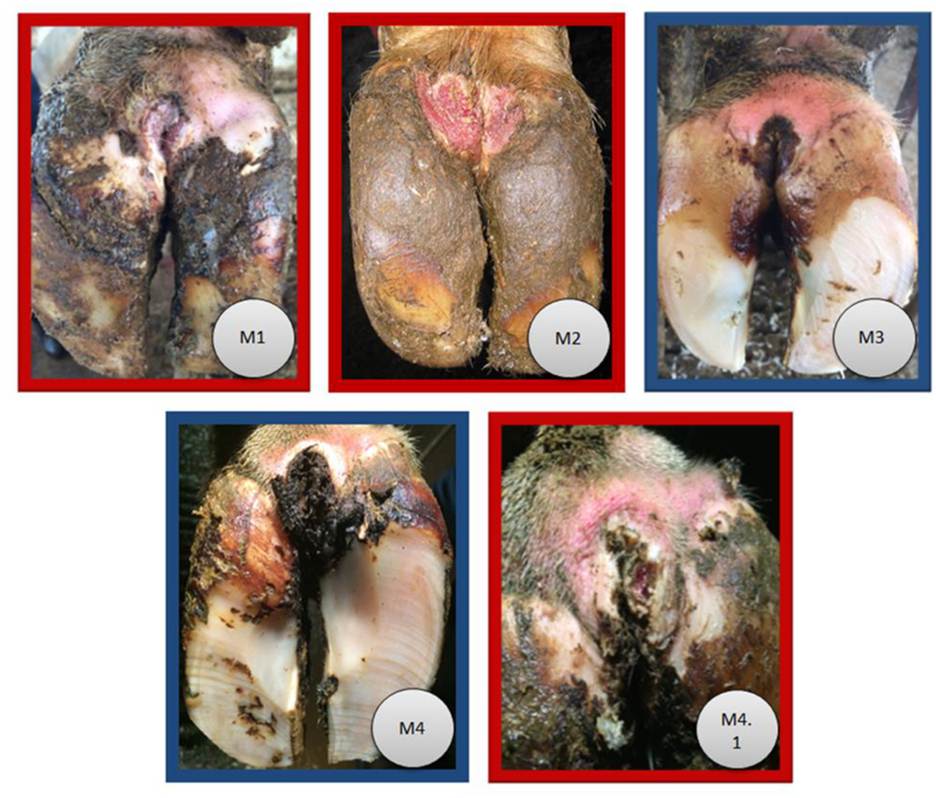
Picture credit: Research Gate
Digital dermatitis doesn’t always move neatly from one stage to the next. A chronic M4 lesion, for example, can reactivate as M4.1 and may then progress to M2. (7) That’s one reason cows with a history of digital dermatitis should continue to be monitored even when lesions appear inactive.
Consistent scoring can also help a dairy producer and veterinarian see the bigger picture. Tracking the number of active, healing and chronic lesions over time provides a better indication of whether prevention and control protocols are working than simply recording that a cow has digital dermatitis.
What’s Foot Rot?
Foot rot is also infectious, but it isn’t the same as digital dermatitis. Foot rot develops when bacteria enter damaged skin between the two claws. Stones, rough surfaces, dried mud, stubble and constant moisture can create small injuries that allow bacteria to reach deeper tissue.
Watch for:
- Sudden and severe lameness
- Swelling above the hoof that is relatively even around both claws
- An open or damaged area between the claws
- A foul odor
- A cow that is reluctant to put weight on the affected foot
Unlike digital dermatitis, which primarily affects the skin around the heel, foot rot extends into the deeper tissue between the claws. Early diagnosis is important because an untreated infection can spread farther into the foot. Systemic antibiotics are commonly needed, so treatment decisions should be made with the herd veterinarian. (2)
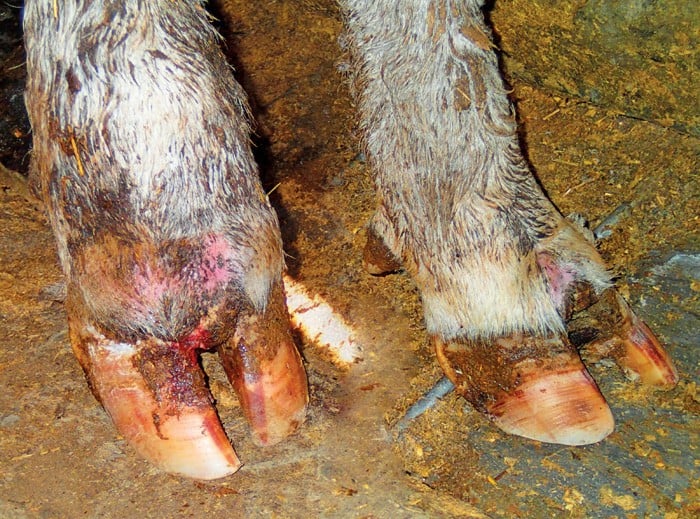
Foot Rot
Picture credit: Canadian Cattleman
Heel Erosion is Another Issue to Consider
Terms such as heel rot are sometimes used loosely on farms. The cow may actually have interdigital dermatitis, heel horn erosion or a combination of the two.
Interdigital dermatitis is a chronic infection of the skin around and between the claws. It can cause pitting, cracks and erosion of the heel horn. Unlike foot rot, it may affect more than one foot and may not initially cause obvious lameness. Wet conditions, manure exposure and poor hoof shape can make the problem worse. (2)
Regular trimming, clean walking surfaces and a well-managed footbath program are generally more important for controlling heel erosion than treating it like an isolated case of foot rot.
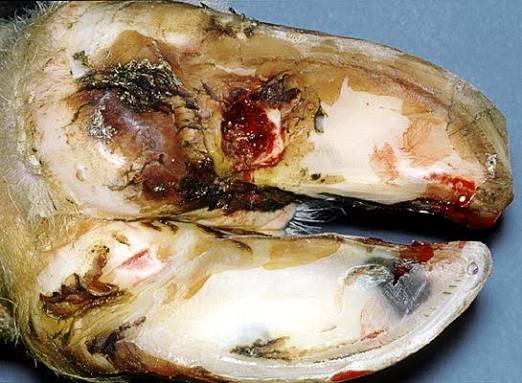
Heel Erosion
Picture credit: CABI Digital Library
An Abscess is a Result, Not Always the Original Problem
A hoof abscess is a painful pocket of infection that develops inside the hoof. It can begin with a stone, puncture, crack, white line separation, sole ulcer or another injury that allows bacteria to become trapped.
Because the infection is contained inside the hoof, pressure can build quickly and cause sudden, severe lameness. A cow may refuse to bear weight even when there’s little swelling visible from the outside.
A veterinarian or trained hoof trimmer may need to clean and examine the foot, identify the entry point and relieve pressure. Deep infections require immediate attention because they may spread to the joint, tendon or bone. (1)
Hoof baths won’t correct an abscess caused by a stone, sole ulcer or damaged white line. The underlying mechanical problem must be identified and addressed.
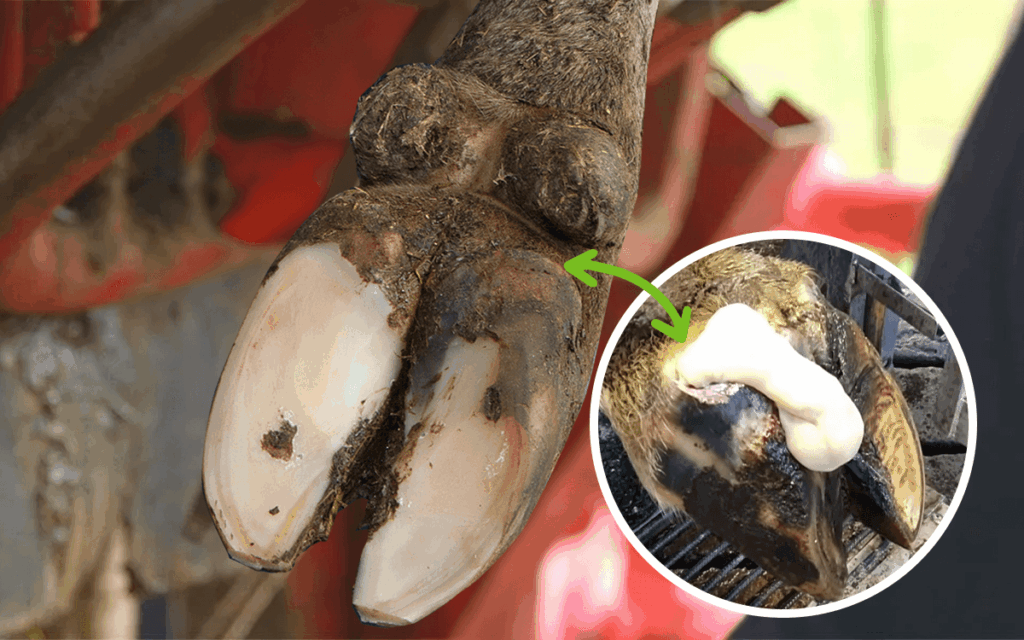
Abscess
Picture credit: Diamond Hoof Care
Know the Early Signs of Hoof Pain
The sooner a hoof issue is identified, the better the opportunity to prevent additional damage.
Look for cows that:
- Take shorter or uneven strides
- Walk with an arched back
- Shift their weight while standing
- Favor one foot
- Hesitate to enter or leave the parlor
- Spend more time lying down
- Fall behind the group
- Visit the feed bunk less often
- Show swelling, odor or visible lesions around the hoof
Routine locomotion scoring can help employees recognize subtle changes before a cow becomes severely lame. Observation should take place on a flat surface where cows can walk naturally. (1,3)
Accurate records are also valuable. Instead of recording every case as “foot rot” or “abscess,” document the specific lesion, affected foot, treatment and follow-up plan. Over time, these records can show whether the herd is primarily dealing with an infectious disease, a facility problem, hoof imbalance or a nutritional concern.
Prevention Requires More Than One Tool
There isn’t a single solution for every hoof issue. A strong prevention program should address the environment, hoof care, nutrition and early detection.
Keep feet clean and dry
Wet skin and hoof horn are more easily damaged. Manure and moisture also increase exposure to the bacteria associated with digital dermatitis, interdigital dermatitis and foot rot.
Scrape alleys regularly, improve drainage around waterers and feed bunks and provide clean, comfortable resting areas. Comfortable stalls encourage cows to lie down instead of standing for long periods on concrete. (2,3)
Maintain safe walking surfaces
Inspect alleys, return lanes, lots and bedding for sharp stones, broken concrete and other debris. Flooring should provide traction without being excessively abrasive.
Routine hoof trimming also helps maintain proper claw balance and distribute weight more evenly. However, trimming too aggressively can also create thin soles and additional problems, so work with a qualified hoof trimmer.
Don’t forget the heifers
Digital dermatitis often begins before an animal enters the milking herd. Heifers can carry active or chronic lesions into the fresh pen, increasing infection pressure for the rest of the herd.
Include breeding age and prefresh heifers in routine inspections. Depending on the facility and prevalence of digital dermatitis, the heifer program may also need footbaths, individual topical treatment and more frequent cleaning. (6)
Use footbaths correctly
Footbaths are one of the most common tools for controlling infectious hoof diseases, especially digital dermatitis. Their effectiveness depends on proper design, concentration, cleanliness and frequency.
Copper sulfate is commonly used because it helps control bacteria and has a hardening effect on the hoof horn. However, organic matter like dirt and mud can quickly reduce its effectiveness. Dirty or improperly mixed footbaths can waste product and may damage the skin. (4)
Other options, including zinc sulfate, formalin and commercial premixes, are also available. Formalin can be effective, but it requires additional worker safety precautions and should only be used in well-ventilated areas. Regardless of the product, always follow the label and Safety Data Sheet and work with your veterinarian or hoof care team to select the right solution and concentration.
Footbath frequency should be based on the prevalence of infectious lesions in each group rather than automatically using the same schedule across the entire dairy. Again, work with your veterinarian and hoof care team to determine the appropriate solution and schedule for the cows and heifers.
Nutrition helps build a stronger hoof
Nutrition can’t prevent every injury or treat an active infection, but it plays an important role in hoof integrity and immune function.
Zinc supports normal immunity and metabolism. Copper is important for connective tissue, including the structures within the hoof. These nutrients must be properly balanced because excess supplementation of one mineral can interfere with the cow’s use of another. (5) Biotin is also associated with hoof horn formation and has been studied for its role in sole ulcers, sole hemorrhages and interdigital dermatitis.
Rumen health matters too. Sudden ration changes and excessive amounts of rapidly fermentable starch or sugar can reduce rumen pH. An acidic rumen environment can disrupt microbial populations and may contribute to inflammation and poorer hoof horn quality. (3,5)
Work with your nutritionist to provide adequate effective fiber, maintain ration consistency and avoid sudden changes in concentrate levels. The goal isn’t simply to add more zinc or copper. It’s to build a balanced ration that supports rumen stability, nutrient use, hoof formation and immune function. (3,5)
How to Support the Whole Cow
A balanced ration provides the foundation, but nutritional support can go a layer deeper. Natural technologies that support the cow’s microbial environment and immune function can help her make better use of that nutrition while also supporting rumen function, digestive integrity and health.
Actifibe® Prebiotic is designed to feed beneficial bacteria throughout the digestive tract, supporting digestive integrity and immune function. Microbial Catalyst® supports native rumen microbes, fiber breakdown and nutrient availability.
Work with your Ralco nutritionist and representative to determine where technologies like Actifibe and Microbial Catalyst could fit into your herd’s nutrition program!
Diagnose Before You Treat
When a cow becomes lame, start with the foot, but don’t stop at a generalized label. A painful heel lesion, swollen foot and sole abscess may look similar when a cow walks past the parlor. Once the foot is lifted and examined, they require very different responses.
Train employees to recognize lameness early, record the actual lesion and involve the veterinarian, nutritionist and hoof trimmer when developing herd protocols. The better the diagnosis, the more targeted the treatment and prevention plan can be.
Questions? Give our dairy calf specialists a call at 507-337-6916 or email RuminantHelp@RalcoAgriculture.com
References:
- American Dairymen. “Lameness in Dairy Cattle.”
- Cornell University College of Veterinary Medicine. “Foot Health.”
- University of Minnesota Extension. “Prevention and Treatment of Lameness in Dairy Cattle.”
- University of Wisconsin Madison Division of Extension. “Footbath Management.”
- University of Wisconsin Madison Division of Extension. “Hoof Health and Nutrition of Dairy Cows.”
- University of Wisconsin Madison Division of Extension. “Hoof Health Starts with the Heifer.”
- Progressive Dairy. “Gain Control of Digital Dermatitis.”