
When it comes to running a successful cow-calf operation, the timing of your calving season is crucial. The decision between fall and spring calving can significantly impact your farm’s productivity, profitability and overall management strategy.
Whether you choose one season or decide to utilize both, understanding the advantages and challenges of each can help you make the best decision for your operation.
The Case for Spring Calving
Spring calving has long been the traditional choice for many producers, and it offers several key benefits.
One of the most significant advantages is the availability of high-quality forage during peak lactation. When cows calve in the spring, they have access to lush, nutrient-rich pastures that can easily meet their nutritional needs. This reduces the need for supplemental feeding, which not only cuts costs but also helps cows maintain a healthy body condition while producing ample milk for their calves.
Another benefit of spring calving is that it typically aligns with the natural breeding cycle of cows. By calving in the spring, cows are usually dry during the winter months, a time when high-quality feed is less available and more expensive. Since they are not lactating, their nutritional requirements are lower, further reducing feed costs during the winter.
Challenges of Spring Calving
However, spring calving is not without its challenges. One of the biggest concerns is the unpredictability of spring weather.
In many regions, spring can bring late-season snowstorms, cold snaps and heavy rains, all of which can pose significant risks to newborn calves. These harsh conditions can lead to hypothermia, weak calves, respiratory issues and increased calf mortality.
To combat this, consider using oral drenches like Start Strong for Calves. This drench gives weak calves the energy to stand and nurse, ensuring they receive maximum colostrum protection by stimulating their appetite.
Another notable challenge of spring calving is the higher prevalence of scours. Scours, or calf diarrhea, is more common in the spring than in the fall due to the wet and muddy conditions that often accompany spring weather.
The combination of moisture and warmer temperatures creates an ideal environment for bacteria and viruses to thrive, increasing the risk of scours. Managing the environment and ensuring proper sanitation are crucial to minimizing this risk. Additionally, using an oral drench like Rapid Strike can help manage the digestive stress associated with scours, supporting calf health and rehydration.
The potential for lower conception rates is another challenge with spring calving. Cows bred during the summer may experience heat stress, which can negatively impact fertility and gut health. Calving during hot weather also presents challenges for both cows and calves, making it essential to provide adequate shade and water to ensure hydration and comfort.
High temperatures can significantly reduce a cow’s appetite, which in turn can affect her milk production. This reduction in milk can impact the growth and health of her calf.
While heat stress in cows is often recognized, it’s important to note that calves can be even more susceptible to heat stress than to cold stress. Prolonged exposure to high temperatures can weaken calves, making them less resilient and more prone to health issues.
As summer progresses, forage quality often diminishes, offering less nutrition for cows and calves which can result in lower weaning weights for spring-born calves. MC100, a feed additive with a patented cobalt formula can help by stimulating rumen bacteria to enhance fiber breakdown, allowing cattle to extract more energy from their feed and forage as quality decreases.
Lastly, market dynamics also play a role in the spring. Calves born in the spring are typically sold in the fall, a time when the market is often flooded with calves causing lower prices and profitability.
Spring Calving Recap:
Pros:
High-quality forage during peak lactation
Reduced need for supplemental feeding during lactation
Lower winter feed costs
Cons:
Unpredictable weather and higher rates of health issues and heat stress
Potential for lower conception rates
Decline in forage quality affecting weaning weights
Market price challenges in the fall
The Case for Fall Calving
Fall calving is gaining popularity, particularly in areas with milder winters. One of the main benefits is the ability to take advantage of higher market prices. Fall-born calves are usually sold in the spring when supply is low and demand is high, often resulting in prices above the annual average. Additionally, these calves can be kept as stocker cattle through the spring and summer, allowing for added pounds at a lower cost before market.
Fall calving can positively impact cow body condition and breeding success. When cows are bred in late fall or early winter, they often benefit from cooler temperatures and, depending on the region and forage type, good forage availability. This leads to higher body condition scores at breeding time which can improve conception rates and shorten the breeding season.
Fall calving is generally more successful in regions with milder winters and longer growing seasons, where a cool-season forage base is essential to maximize the benefits. However, in areas dominated by warm-season forages, fall calving may lead to a significant decline in body condition or require costly hay and feed supplementation.
Another advantage of fall calving is the more predictable weather. Unlike spring, where weather can be erratic, fall tends to bring cooler, more stable conditions. This can reduce the incidence of health issues like scours, pneumonia and weak calves and improve survival rates.
Challenges of Fall Calving
Despite its advantages, fall calving also presents some challenges. One of the primary concerns is the increased cost of winter feeding in areas without a good fall and winter forage base.
Lactating cows have higher nutritional needs and meeting these needs during the winter can be expensive. Producers must be prepared to provide high-quality feed throughout the winter months to ensure cows maintain their body condition and continue producing sufficient milk for their calves. MC100 can help by maximizing energy extraction from forage and feed.
Additionally, fall-born calves face the challenge of enduring harsh winter conditions depending on the region. Cold temperatures and snow can lead to respiratory issues, slower growth rates and increased mortality if not properly managed.
Fall Calving Recap:
Pros:
Higher market prices in the spring
Better body condition scores at calving time
Higher conception rates
More predictable weather at calving for less health issues
Cons:
Potentially increased winter-feeding costs
Health risks for calves going into potentially cold and wet conditions during the winter
Weighing the Options: Fall vs. Spring Calving
When deciding between fall and spring calving, it’s essential to consider your specific circumstances, including your region’s climate, forage availability and market goals.
Each season offers its own set of advantages and disadvantages, and the best choice will depend on what aligns best with your operation’s objectives.
That’s why some producers choose a dual calving strategy, using both fall and spring seasons to manage risk and increase efficiency. This approach allows for better bull utilization, a steadier cash flow year-round and the opportunity to capitalize on higher market prices in both seasons.
Plus, replacement heifers or cows that don’t conceive in one season can be shifted to the next with minimal economic loss. Heifers that calve at a slightly older age tend to experience fewer calving issues and are more likely to rebreed on time, further enhancing the success of this strategy.
However, managing two calving seasons requires careful planning and a year-round commitment to providing high-quality care. It also demands adequate labor, facilities and the ability to manage the nutritional needs of your herd throughout the year.
Final Thoughts
There’s no one-size-fits-all answer when it comes to choosing between fall and spring calving. Each season offers its own unique set of pros and cons and the best choice for your operation will depend on your specific goals, forage resources and environmental factors.
Whether you choose spring calving for its abundant forage and lower winter-feeding costs or fall calving for its higher market prices and more predictable weather, the key to success lies in tailoring your calving strategy to fit your farm’s unique needs.
Ultimately, the goal is to ensure that your cows, calves and bottom line are all well cared for throughout the year, leading to a successful and sustainable cow-calf operation.
For any questions or advice on creating a calving plan, schedule a free consultation with a ruminant specialist today. Call 507-337-6916 or email
RuminantHelp@RalcoAgriculture.comto get started.
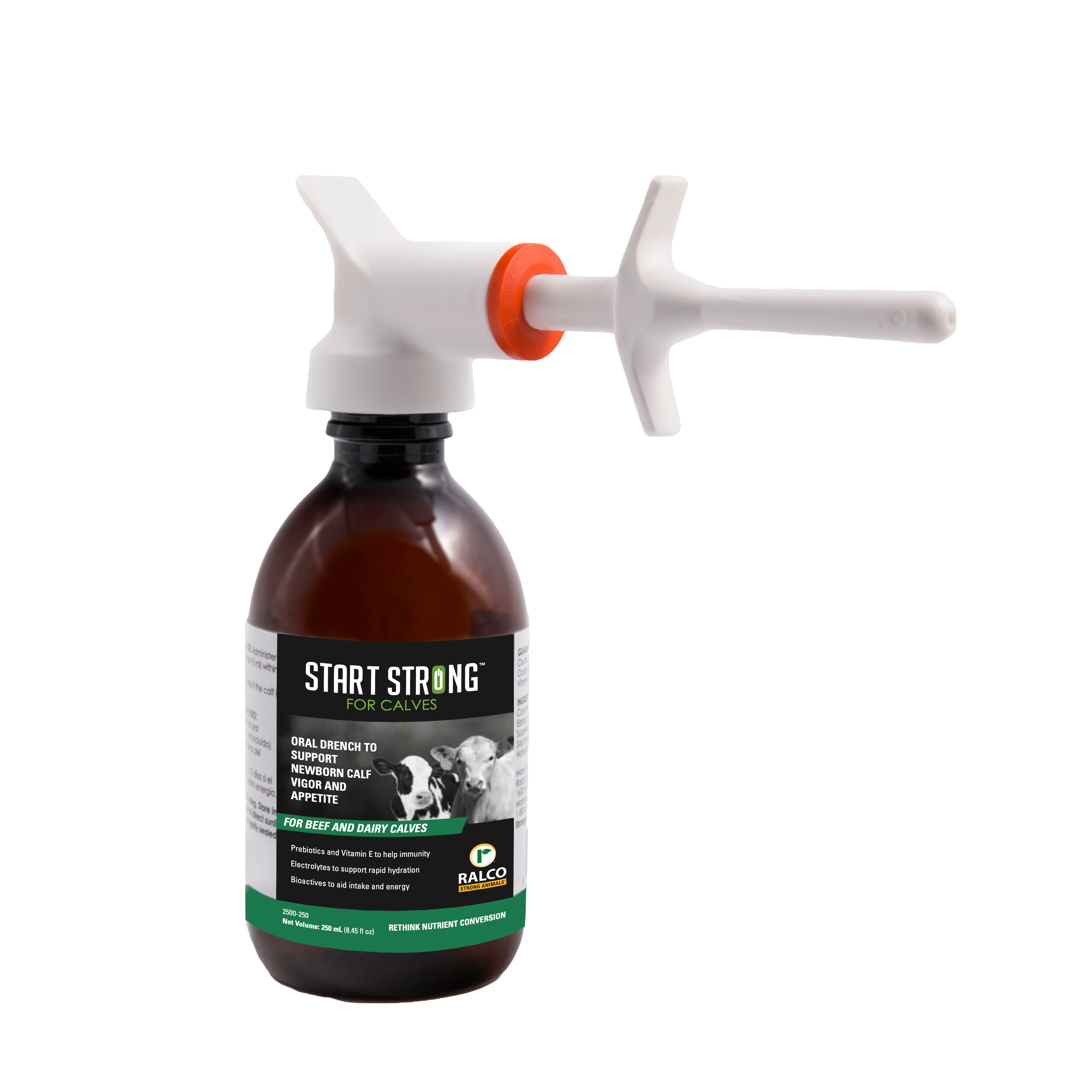
Start Strong for Calves – Maximize Colostrum Intake
Start Strong for Calves is a natural oral drench that supports appetite, digestive health and provides newborns with the energy they require.
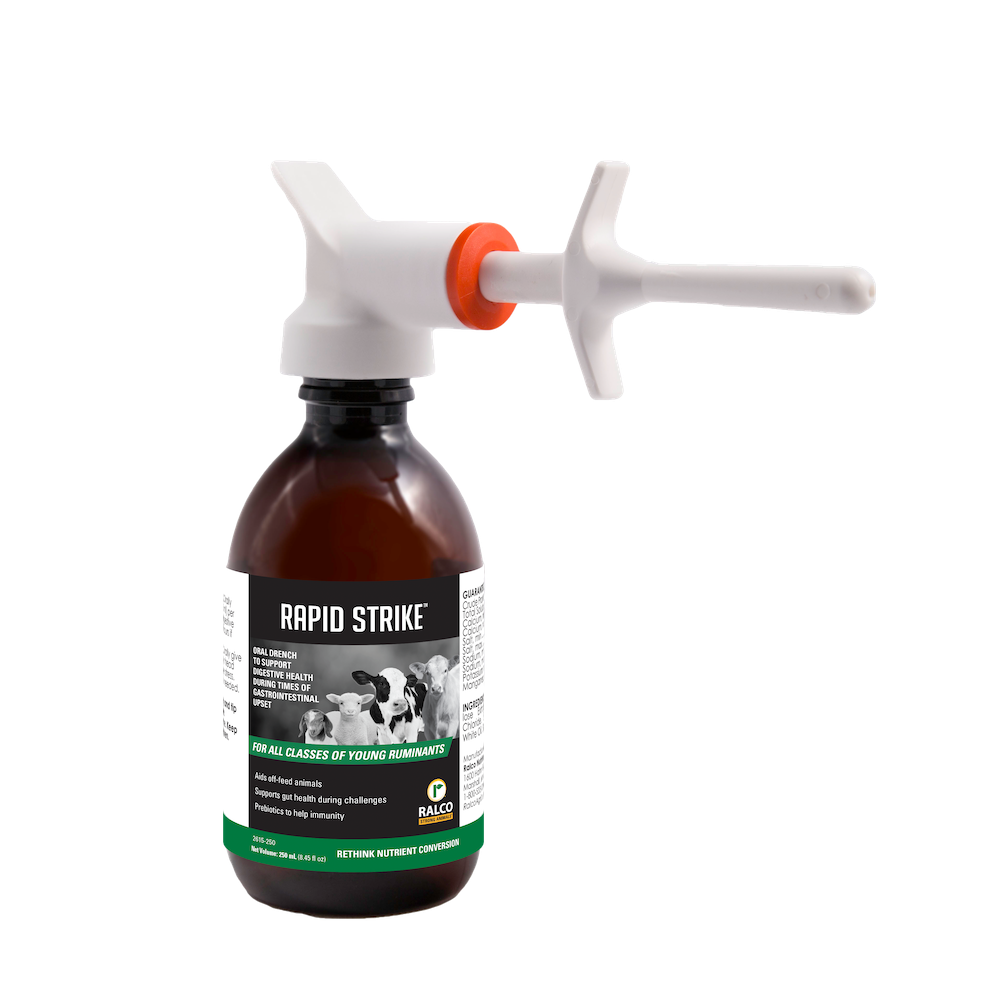
Rapid Strike – When Digestive Challenges Threaten
Rapid Strike is a natural oral drench that reduces pathogen load, enhances gut health and promotes a quick return to normal eating and drinking after digestive stress with scours.

MC100 – Get More Energy out of Feed
MC100 is an everyday natural feed additive comprised of a patented form of cobalt which stimulates rumen bacteria and enhances fiber break down effectively extracting more energy from the feed.