

Fat is the most energy-dense nutrient used to build swine diets. In general, fat sources have about two and a half times more energy than grain sources.
“That gives you an idea of the caloric density that fat ingredients bring to a diet,” says Dr. Russell Fent, Ralco Swine Technical Team Director.
The pork industry values lean tissue gain in pigs while increasing the market weights of finished hogs. As pigs grow to heavier weights, lean is the most efficient composition of gain, and energy and amino acids are the most responsible for achieving this measure.
High energy means maximized lean gain. If fat is taken out of diets, there’s a potential for feed efficiency in those animals to be negatively impacted.
Sounds simple, right? But energy is typically the most expensive nutrient in a swine diet. So, wherever producers can get energy from more economical sources, rather than costly supplemental fat, that is what they will do.
Fat Prices Have Been on the Rise
The most common supplemental fat sources for swine diets are soybean oil, choice white grease, animal vegetable blend and corn oil. Unfortunately, the past few years have brought significant inflation of agriculture inputs, and supplemental fat prices are no exception.
Over the last two years, soybean oil has increased to three times its previous value. So what is pushing the cost of these fat sources for swine diets? Research suggests it’s the increased demand for biofuels that depend on the same soybean oil supply as livestock.
Both biodiesel and renewable diesel rely on soybean oil as the main ingredient, with biodiesel being 57% soybean oil. And with an increased focus on renewable energy and lowering carbon emissions in the U.S., don’t expect to see the demand for oils slow down anytime soon.
Fat Prices Are Impacting Swine Diets
Producers are encouraged to do an economic evaluation of energy levels in their swine diets, based on their production situation, the ingredients they have available and the prices of those ingredients. Therefore, this is a perfect time to involve a swine nutritionist in the conversation.
A thorough diet analysis allows the producer to see their return over feed cost on their pigs and restructure swine diets without sacrificing their animals’ dietary needs. Having a swine professional’s expertise is invaluable to creating the right balance of energy in the equation without breaking the bank for the producer.
In a fixed-time production situation, such as a contract finishing barn, having fat is an essential tool to help pigs gain and push them to market weight on a tight schedule. But it’s also important to know if keeping supplemental fat in the diet for the entire length of their growth is affordable.
The Downside of Minimizing Fat
Producers may choose to take supplemental fat out of their feed plan because of high prices. Then the question becomes, how do pigs get energy without compromising production? Knowing that fat has the highest caloric density, finding an equal replacement ingredient will be hard.
A valuable tool is a net energy formulation (NE) to create a new diet that provides enough energy without using fat. A net energy value gives you the true productive energy—what’s available for pigs to use for productive purposes after waste — such as lean gain in finishing pigs or milk production in sows.
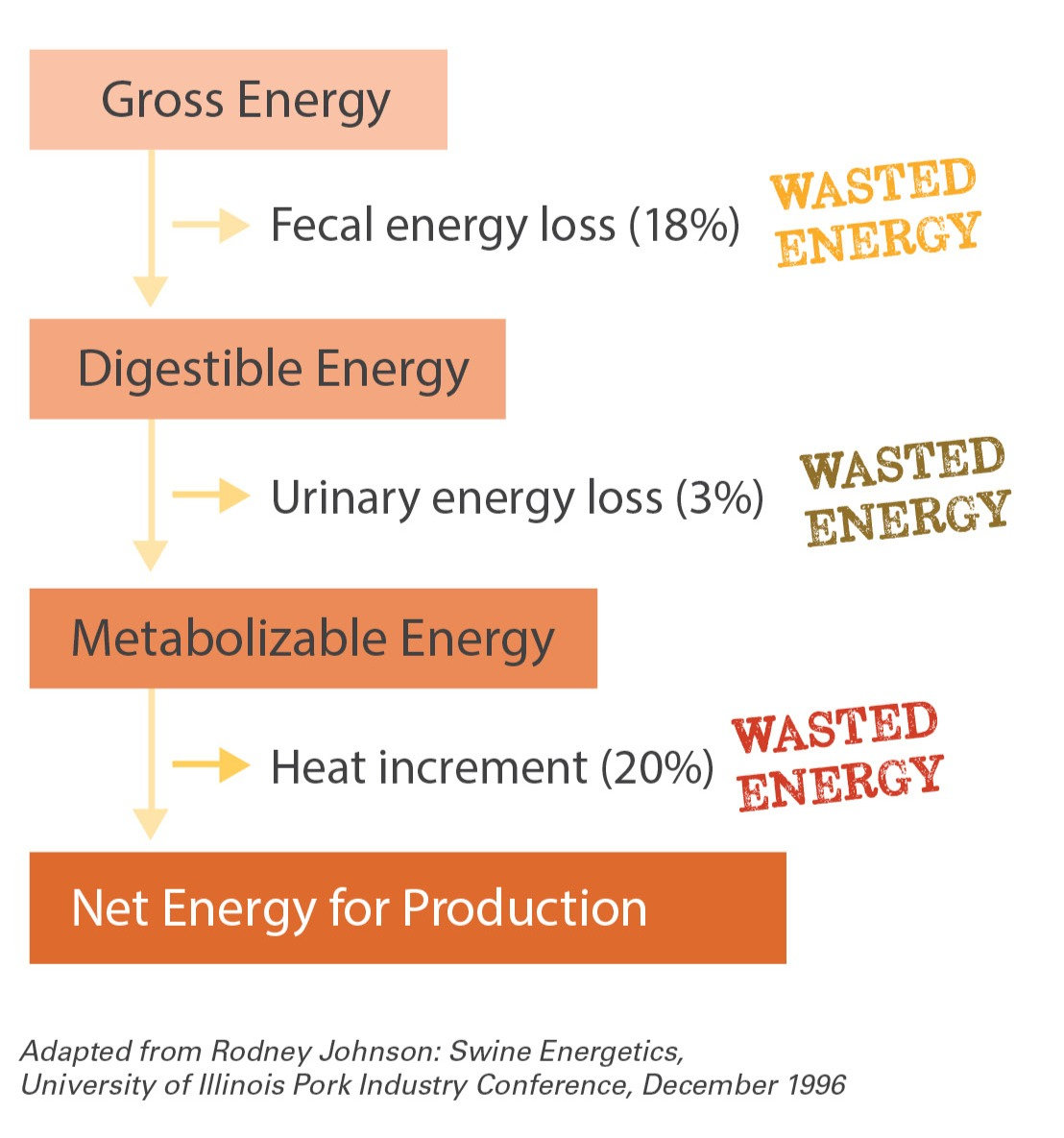
Your nutritionist should help develop a true assessment of what actual energy is going to be available for the pigs to use. The net energy formulation helps maximize energy density in diets given the ingredients that producers have available to them at any given time.
How to Create a Swine Diet That Doesn’t Rely on Fat for Energy
Certain feed additives have been proven to aid feed efficiency and can benefit swine diets. Such additives on the market can be incorporated into a carefully crafted diet formulation to provide additional feed conversion.
After swapping energy sources to replace fat in a swine diet, a supplement such as Ralco’s ProsperEO™ can be incorporated to boost feed efficiency and production.
Do Not Overuse Soybean Meal as a Solution to Reducing Fat
Lean gain is dependent on nutrients, but predominantly energy and amino acids. Soybean meal is a great source of dietary amino acids for pigs. But too much soybean meal can have a negative effect on pigs.
If the L-lysine shortage is prompting producers to increase the amount of soybean meal in swine diets rather than using similar feed-grade amino acids, an excess of crude protein will build up, which the pigs must deal with.
A pig’s body must digest the excess protein, break it down and absorb it before being processed by the kidneys and later excreted. This excretion is in the form of nitrogen, which directly increases with the amount of soybean meal added to the diet.
This process also requires extra energy. Swine nutritionists would rather see that energy go to something productive for the animal rather than trying to digest levels of protein that aren’t efficient.
Low Energy Means Low Feed Efficiency
If pigs are spending their energy burning excess protein from too much soybean meal, their bodies will have a higher heat of digestion. Simply put, their bodies will be hotter.
The heat in the summer months already makes pigs want to slow down and eat less. The last thing producers and nutritionists want to intentionally do is escalate that problem.
When pigs eat less, they perform less, and weight gain struggles. So, if too much soybean meal makes pigs’ bodies hotter and decreases performance, strive to ration proper amounts.
Crystalline Amino Acids Serve as a Great Alternative
A precise way to formulate diets for pigs regarding their amino acid requirements, and a way to avoid the energy drag of extra protein, is by implementing crystalline amino acids. Crystalline amino acids are more quickly absorbed than protein-bound amino acids and are typically delivered more accurately with fewer consequences.
A more precise feed formulation preserves energy in the diet while increasing net energy for production purposes, like milk production or finishing weight in hogs.
Set Nursery Pigs up for Success Early on
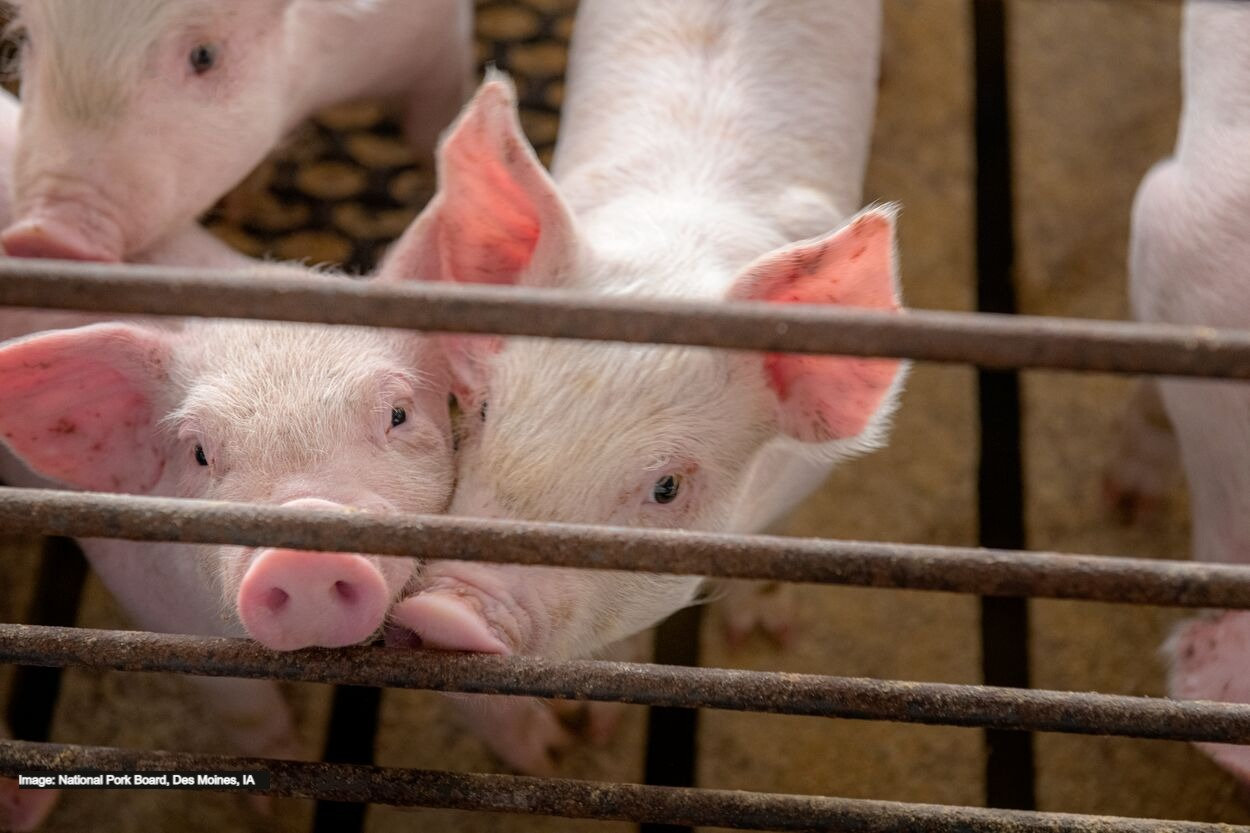
If supplemental fat is taken out of finishing diets, nursery diets should become even more of a priority to start piglets off with a sound digestive structure. By getting pigs off to a strong start early in life, there should be less need for fat to catch a pig up to market weight in the long run.
Nursery diets should maximize pigs’ performance and maintain uniformity of groups, which leads to better growth and production further in their growth cycle. Getting nursery pigs off to a strong start helps with finishing rates and maximizing the number of full value pigs at the end of a production cycle. Also, be sure the starter feed in the nursery diet is made for their digestive capacity at the time.
Get the Right Resources for the Right Swine Diet
Ralco focuses on incorporating technology into nutrition programs that emphasize nutrient conversion through their EnMAX® Nutrition program. Ralco swine nutritionists sit down with producers one-on-one to calculate the best return over feed cost scenario for their individual farm and ingredient supply situation.
By prioritizing net energy concepts, this tool maximizes feed efficiency and helps reduce the diet cost per pig. Plus, it makes the most efficient diet when fat isn’t a tool in the toolbox.
Let the team at Ralco help you get the most out of your swine nutrition plan.