
• Skip to main content
  • Skip to header right navigation
  • Skip to site footer
  • Careers
  • Contact Us
Logo for Ralco featuring a stylized green letter "R" with a leaf inside a yellow circle, next to the text "RALCO Nature Elevated by Science" in green letters.

Ralco Agriculture

  • Home
  • About
    • History
    • News
    • Sustainability
  • Our Science
    • Microfused® Essential Oils
    • Actifibe®
    • Microbial Catalyst®
  • Products
        • All Products
        • Swine
          • Nursery / Grow-Finish Health
          • Gestation / Lactation Health
          • Nursery Nutrition
          • Grow-Finish Nutrition
          • Specific Health Challenges
        • Poultry
        • Beef
          • Cow/Calf Health
          • Cow/Calf Nutrition
          • Feedlot Health
          • Feedlot Nutrition
        • Dairy
          • Calf
          • Cow
        • Crops & Forage
          • Crops
          • Forage
        • More Solutions
          • Aquaculture
          • Equine
          • Feed Mill
          • Organic
          • Show Animals
          • Small Ruminants
  • Resources
    • FAQs
    • Videos
    • Podcast
    • Ralco Reader Blog
  • Shop
  • Careers
  • Contact Us
Search Search
Search
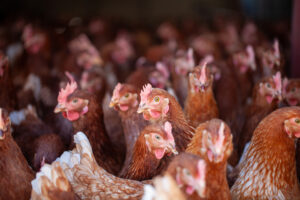
A large group of brown chickens with red combs are crowded closely together inside a dimly lit enclosure, looking in various directions.

Infectious Coryza in Chickens: What Poultry Producers Need to Know

March 11, 2025 | Poultry

Infectious coryza is a respiratory disease that presents a significant challenge for poultry producers, particularly those managing layer and breeder flocks. This bacterial infection can lead to substantial economic losses due to reduced egg production and overall flock health concerns.

Understanding the disease, its symptoms and appropriate management strategies is essential for maintaining poultry health and productivity.

What is Infectious Coryza?

Infectious coryza is an acute respiratory disease caused by Avibacterium paragallinarum. While mortality rates are generally low, its impact on egg production can be severe, with losses ranging from 10% to 40%. This disease is particularly problematic in laying barns, where prolonged exposure leads to ongoing health and production issues.

Infectious coryza is more commonly reported in regions such as the West Coast, Southeast, and Northeast of the United States. Though it can occur in broilers, it is primarily a concern for layers and breeders – birds that remain in production for extended periods.

Which Birds Are at Risk?

Layers and breeders are the primary targets of this disease. While broilers aren’t commonly affected, turkeys can also contract a similar illness, known as turkey coryza. However, turkey coryza is caused by a different bacterium, Bordetella avium, and has its own unique characteristics.
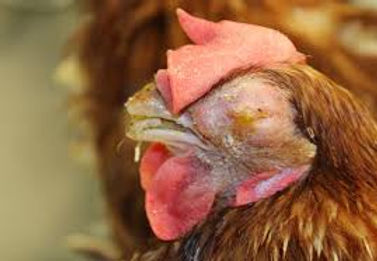
infectious coryza symptoms in a layer bird. face swelling and watery eyes (lacrimation)

Spotting the Symptoms

One of the tricky things about infectious coryza is that it mimics other respiratory diseases, making it easy to miss.

Here’s the symptoms to what to watch for:

  • Nasal discharge and facial swelling

  • Watery eyes (lacrimation)

  • A noticeable dip in egg production (anywhere from 10% to 40%)

  • Some birds may be carriers without displaying visible symptoms

If you suspect infectious coryza in your flock, it’s best to get some lab testing done to confirm the diagnosis.

Getting a Diagnosis

Testing for this disease isn’t always listed on standard diagnostic forms, so be sure to specifically request an infectious coryza test. Some of the top diagnostic labs that offer testing include:

  • UC Davis Veterinary Diagnostic Lab – Davis, CA, Lab Info

  • Texas A&M Veterinary Medical Diagnostic Laboratory – College Station, TX, Lab Info

  • Veterinary Diagnostic Laboratory – Ames, IA, Lab Info

Prices vary, but at the Veterinary Diagnostic Laboratory, a PCR test costs about $40, plus an additional $36 best practice fee.

Treatment Options

If infectious coryza is confirmed, acting fast is key. Antibiotics such as erythromycin, oxytetracycline and tylosin can help control the infection. These are typically administered via drinking water first, until medicated feed is available. A veterinarian can provide guidance on diagnosis and treatment options.

That said, antibiotics alone won’t completely solve the issue. Good management and supportive care will help birds recover fully and minimize long-term production losses.

Prevention is the Best Strategy

When it comes to infectious coryza, proactive measures make all the difference. Preventing the disease before it starts is far more effective than managing an outbreak.

Here’s what you can do:

  • Vaccination: The best defense against the disease is vaccination. Two of the most widely used vaccines are Nobilis Coryza and Coryvac. Birds should be vaccinated between 8-16 weeks, with a booster 3-4 weeks later for full protection.

  • Ventilation: Proper airflow is crucial in preventing airborne bacteria from spreading through the flock. Ensuring good ventilation in poultry houses will help keep disease outbreaks at bay.

  • Biosecurity & Sanitation: Limit movement between flocks, control farm access and maintain thorough cleaning practices to keep disease exposure to a minimum.

During outbreaks, supportive care can make a big difference. An example of supportive care can be midnight feeding, a practice in which the barn lights are turned on for a brief period in the middle of the night to wake the birds up and stimulate feed intake. Also, adding electrolytes and vitamins to their drinking water to keep them hydrated and ensure they get essential nutrients to fight infection.

Natural Supportive Care Solutions

At Ralco, we focus on providing natural solutions to support poultry health. Two key products for this include:

  • Regano EX Dry – A natural essential oil and prebiotic product used in poultry feed. During challenges, it can be added at 0.5-1 lb. per ton for 14 days.

  • Avi-Lyte – A vitamin, probiotic and electrolyte supplement that supports hydration and helps birds maintain health during challenges. It can be used continuously for struggling flocks or periodically as part of a management plan.

Bottom line, infectious coryza is a tough challenge for poultry producers, but with the right combination of prevention, early detection and supportive care, it can be managed effectively. Keeping a close eye on your flock, vaccinating when possible and using natural solutions can go a long way in protecting production and bird well-being.
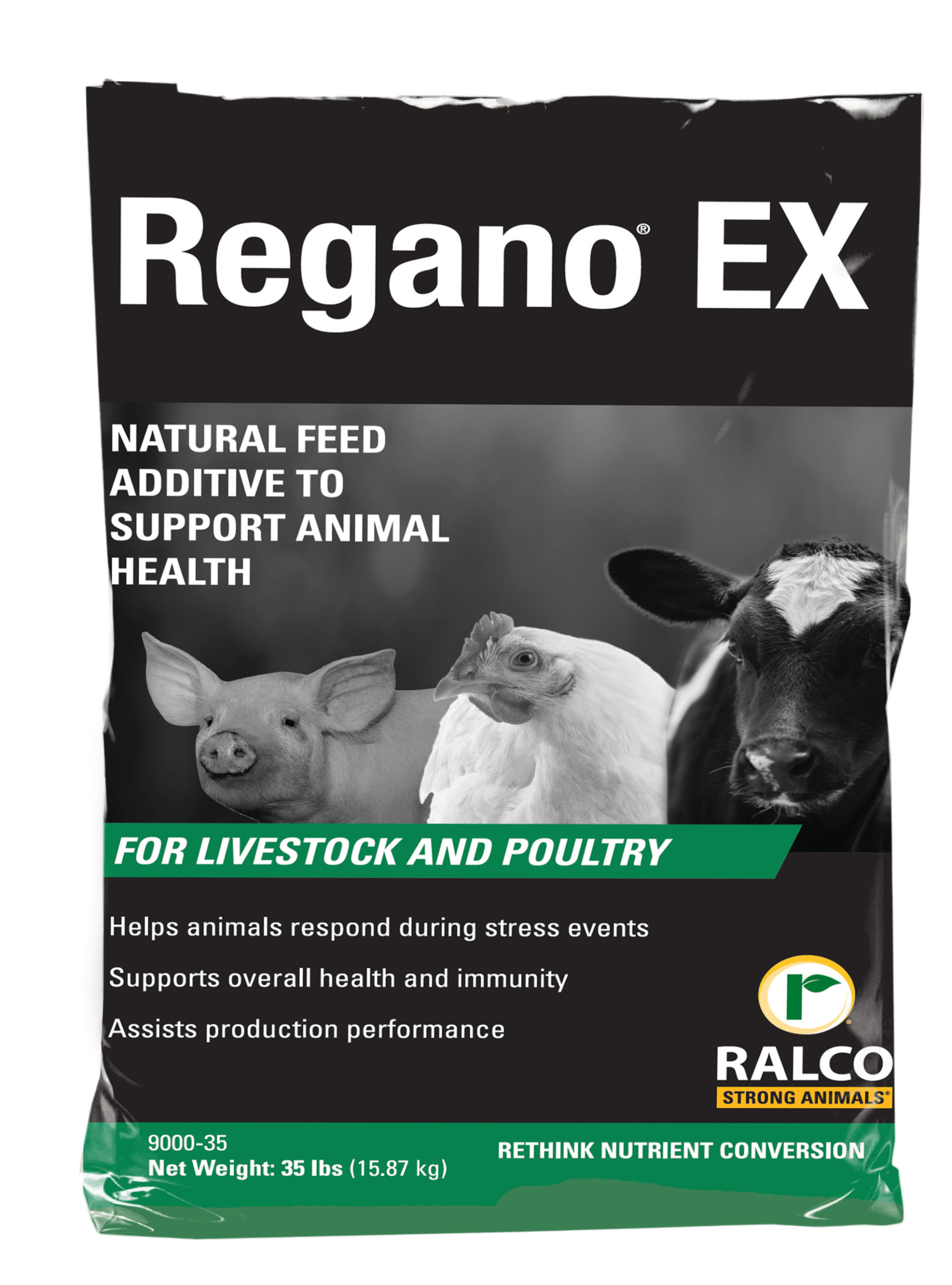
Regano EX dry feed additive for poultry - packaging

Regano EX Dry – For Times of Challenge

Regano EX Dry is the most trusted natural feed additive to support specific health challenges. It contains patented Microfused oregano and thyme white essential oils and Actifibe Prebiotic.
Learn More

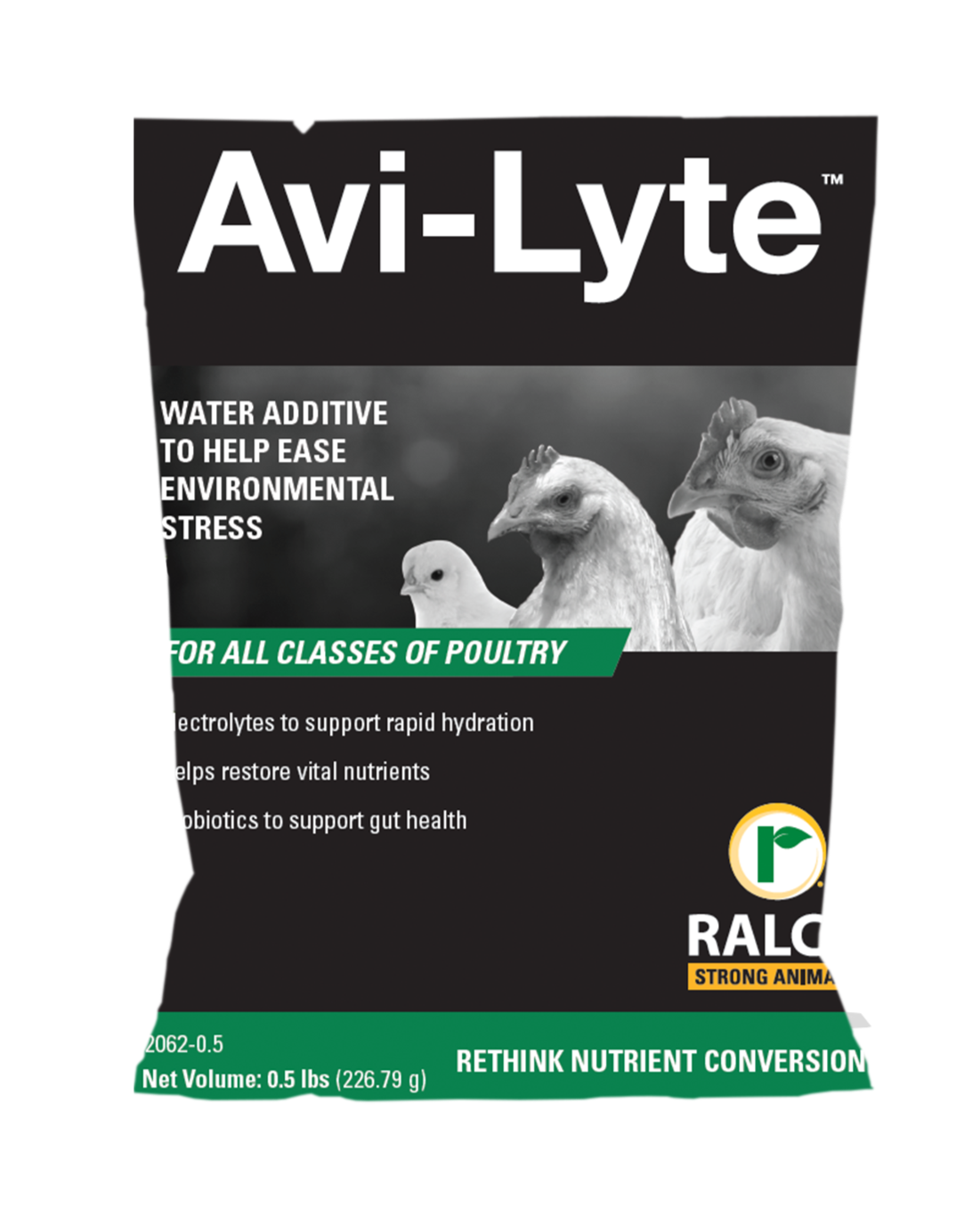
Avi-Lyte poultry stress pack with electrolytes and prebiotics - packaging.

Avi-Lyte – When the Stress Is On

Avi-Lyte is a natural performance pack for poultry that hydrates and helps restore vital nutrients to ease transitions.

Learn More

References

  1. Merck Manual: Infectious Coryza

  2. Michigan Extensions Poultry: Infectious Coryza

  3. Penn State Extension: Avian Coryza 

Share this post

Sidebar

Categories

  • News
  • Beef
  • Dairy
  • Poultry
  • Swine

Archives

  • July 2026
  • June 2026
  • May 2026
  • February 2026
  • January 2026
  • December 2025
  • November 2025
  • October 2025
  • September 2025
  • August 2025
  • July 2025
  • June 2025
  • May 2025
  • April 2025
  • March 2025
  • February 2025
  • January 2025
  • December 2024
  • November 2024
  • October 2024
  • August 2024
  • June 2024
  • May 2024
  • March 2024
  • February 2024
  • January 2024
  • December 2023
  • September 2023
  • August 2023
  • July 2023
  • June 2023
  • March 2023
  • February 2023
  • January 2023
  • December 2022
  • November 2022
  • October 2022
  • August 2022
  • July 2022
  • June 2022
  • May 2022
  • April 2022
  • March 2022
  • February 2022
  • December 2021
  • August 2021
  • July 2021
  • June 2021
  • April 2021
  • March 2021
  • January 2021
  • December 2020
  • October 2020
  • August 2020
  • July 2020
  • June 2020
  • May 2020
  • April 2020
  • March 2020
  • February 2020
  • December 2019
  • October 2019
  • July 2019
  • June 2019
  • May 2019
  • April 2019
  • February 2019
  • June 2018
  • March 2018
  • February 2018
  • December 2017
  • August 2017
  • May 2017
  • March 2017
  • December 2016
  • November 2016
  • October 2016
  • August 2016
  • July 2016
  • June 2016
  • January 2016
  • December 2015

Categories

  • News
  • Beef
  • Dairy
  • Poultry
  • Swine

Let’s Tackle Your Toughest Challenge

If there’s a problem holding your operation back, we’re here to help you solve it. If you’re ready for products that bring together nature and science, let’s talk!

Ralco News

Holstein dairy calf in a fenced in hutch

Heat Stress in Dairy Calves Starts Before You See It

Heat stress is usually talked about in terms of the milking herd. Lower dry matter intake, reduced …
Read moreHeat Stress in Dairy Calves Starts Before You See It
Two white broiler chickens stand close to a water dispenser; one chicken drinks from a red nozzle above, while the other looks on with its beak slightly open. The background shows more chickens out of focus.

How to Use Poultry Production Data to Make Better Flock Decisions

Production data is one of the most powerful tools in commercial poultry operations, but the biggest …
Read moreHow to Use Poultry Production Data to Make Better Flock Decisions
A group of black and white dairy cows stand in a circular milking parlor, attached to milking machines, inside a bright, modern barn.

Mastitis in Dairy Cows and Heifers: How to Manage Risk Before Production Loss

Mastitis remains one of the most costly and complex diseases in dairy production. The National …
Read moreMastitis in Dairy Cows and Heifers: How to Manage Risk Before Production Loss
Ralco logo with a green vertical bar and a leaf inside a yellow circle, next to the word "RALCO" in white, and the tagline "Nature Elevated by Science" below.
Four faded certification logos in a row, including HALAL, RMPP, GMP+, and FAMIQS, on a light background. Text and images within the seals are barely visible.

Subscribe for news and updates

Home
About
Our Science
Shop
Resources
Careers
Contact Us
Call 1 (800) 533-5306

  • Facebook
  • Instagram
  • YouTube
  • LinkedIn

Copyright © 2026 · Ralco Agriculture · All Rights Reserved · Privacy Policy

We use cookies to enhance your browsing experience, serve personalized ads or content, and analyze our traffic. By accepting, you agree to our use of such cookies. Privacy Policy