Raising healthy dairy calves means handling important tasks like dehorning and castration—things that help keep the herd safe and productive. But let’s be honest, these processes can be tough on calves, which is why proper care and pain management are so important.
Studies show that managing pain not only keeps calves more comfortable but also reduces stress and helps them bounce back faster. When you make pain relief a priority, you’re setting your calves up for better health and long-term success.
Here’s how you can make pain management a key part of your calf care routine.
Castration: Pain Management Strategies
Castration is key to herd management, reducing aggression and improving your calves’ marketability. With advancements like sexed semen, dairy crossbreeding practices and a growing market for bull calves, the importance of proper castration practices has never been greater.
On dairy farms, the most used castration methods for castration are surgical removal and banding, each offering distinct benefits and considerations for herd health and management.
Pain Associated with Castration
But let’s face it: castration is painful. Without proper pain management, calves can experience significant discomfort for days. The right pain management approach can make all the difference and lead to a smoother recovery for your calves.
When it comes to castration methods, there are key differences in pain management for banding versus surgical castration. Banding is less invasive, which means it causes less immediate pain and stress during the procedure. It also reduces the risk of infection since there are no open wounds, and managing pain with banding is often straightforward, focusing on localized relief.
However, the pain associated with banding tends to intensify in the hours or days following the procedure as the tissue begins to die, potentially prolonging the calf’s discomfort and recovery period. Improper band placement can also lead to complications, such as incomplete castration or tissue swelling.
On the other hand, surgical castration provides immediate results by removing the testicles in a single procedure. While the initial pain is more intense, the discomfort often resolves more quickly compared to banding, making the overall recovery period shorter.
This method also allows for easier monitoring of potential complications like infection or bleeding so you can intervene faster if issues arise.
Yet, surgical castration carries a higher risk of infection due to the open wound and requires diligent post-procedure care for proper healing.
Pain Management Protocol for Castration
Incorporating effective pain relief strategies, such as local anesthetics or non-steroidal anti-inflammatory drugs (NSAIDs) like meloxicam, can significantly enhance calf comfort and recovery.
Administer anti-inflammatory medication such as meloxicam 2–4 hours before the procedure. It helps reduce pain and inflammation, setting your calves up for a better recovery. The dosage is simple: 1 mg per kg of body weight (about 5–6 cc for most calves).
Next, apply a mixture of lidocaine (anesthetic) and xylazine (sedative) to numb the area. This combination requires a veterinarian’s help, so plan ahead. Mix 250 ml of 2% lidocaine with 700 mg of xylazine (about 7 mg/ml). Inject 7 cc on each side of the scrotum to effectively block nerve signals.
Note: Always consult a veterinarian when developing pain management protocols to meet the specific needs of your calves.
Lastly, after the procedure, don’t forget fly control. Products like Carton IV can protect the site, especially during warm weather. To help calves recover faster, consider a supplement like Start Strong for Calves, which boosts appetite and energy to get calves back on milk and feed.
Dehorning: Pain Management Strategies
Dehorning is another essential but stressful task that ensures the safety of both your herd and your handlers. The two most common methods are burning with a hot iron and applying caustic paste. Without pain management, both can cause significant discomfort.
Pain Associated with Dehorning
Burning calves with a hot iron causes immense stress, especially without anesthetics. The intense heat applied to the horn buds causes immediate and considerable pain. While sedation and local anesthesia can mitigate this during the procedure, they do not eliminate discomfort in the hours and days that follow. This makes proper pain management necessary for minimizing stress and speeding up recovery.
Paste application is a less invasive alternative. It involves a chemical burn on the horn bud to prevent its growth. While it may cause less immediate pain than the hot iron, it still requires careful application and monitoring, as the chemical can spread to surrounding skin if not handled correctly.
According to research, calves dehorned with caustic paste while sedated with xylazine experience a pain response. Still, this response is less severe than that caused by hot iron dehorning, even with local anesthesia and sedation. Interestingly, regional anesthesia with lidocaine does not appear to provide pain relief in the hours after paste application, underscoring the need for additional pain management strategies like NSAIDs.
The research suggests that caustic paste dehorning combined with xylazine sedation is more humane, simpler and less invasive than hot iron dehorning with sedation and local anesthesia.
However, without proper intervention, pain from either method can persist for several days. Effective pain relief solutions, such as NSAIDS like meloxicam, can address this and support overall calf comfort.
Research has also found that caustic paste wounds take an average of 18.8 weeks to heal fully, and hot iron wounds take 7-9 weeks.
Pain Management Protocol for Dehorning
When using a hot iron for dehorning, prioritizing pain management is not merely recommended—it’s essential. Injecting 7 cc of lidocaine on each side of the head blocks nerve signals, reducing the acute pain calves experience during the procedure.
Combining this with xylazine sedation provides additional pain relief and minimizes stress, making the process more manageable for calves. But it’s important to note that even with these interventions, the pain from hot iron dehorning can persist for several days, requiring ongoing care to support recovery.
Pain management is less commonly used for caustic paste dehorning, but recent highlighted above, underscores the need for careful monitoring and anti-inflammatories like NSAIDs.
Note: Always consult a veterinarian when developing a pain management protocol for dehorning to ensure optimal care and compliance with local regulations.
For both techniques, steps like fly control, maintaining a clean environment and monitoring signs of infection or stress can significantly promote healing and enhance calf care.
Polled Genetics: A Long-Term Solution
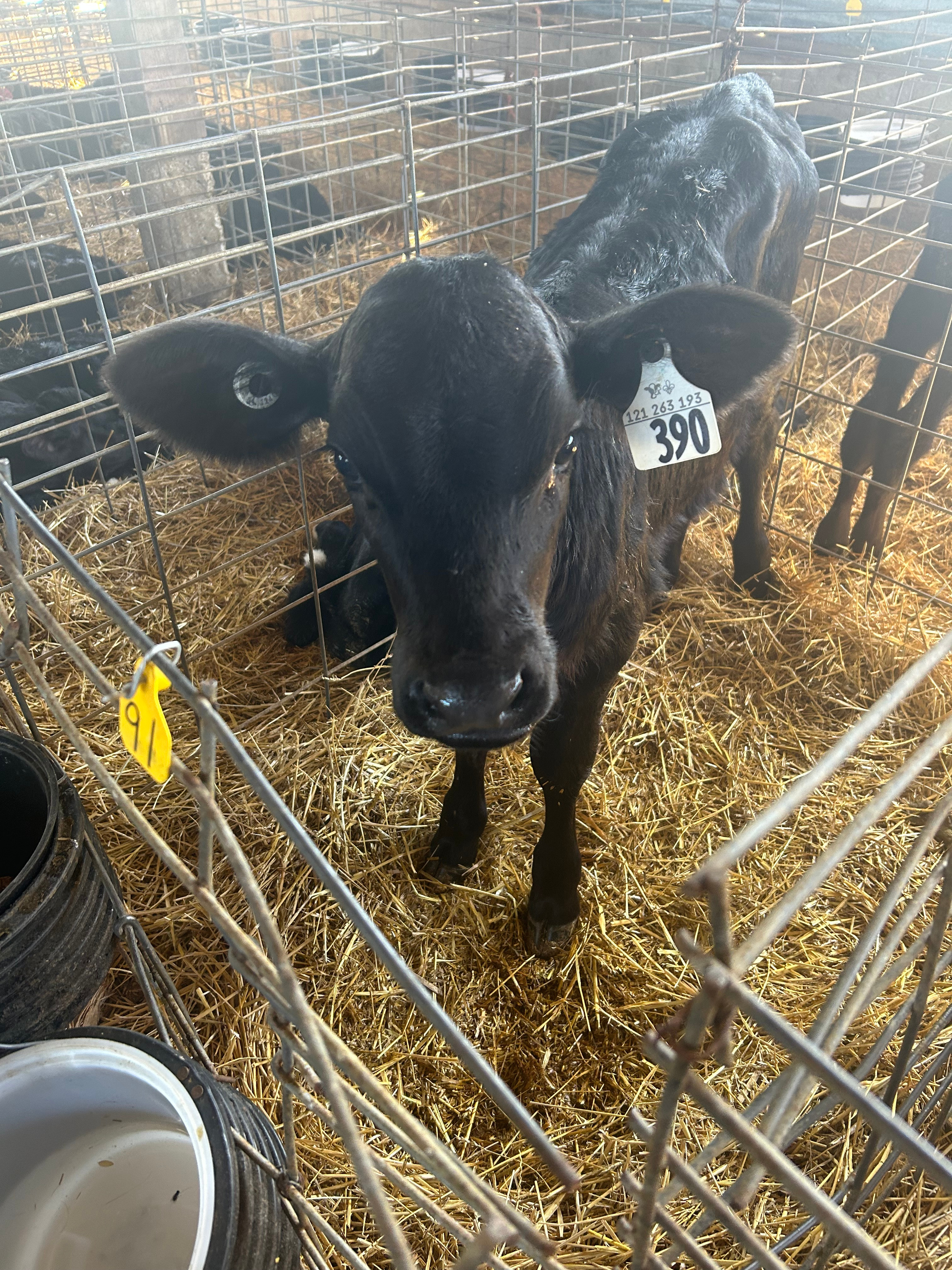
To avoid dehorning altogether, consider breeding for polled genetics. Calves with polled genes are born without horns, making this a humane and practical long-term solution. It’s a great option if you’re using beef/dairy crossbreeds too.
Bottom Line: Prioritize Pain Management for Better Results
Pain management isn’t just a nice-to-have—it’s a must-have. By minimizing discomfort during castration and dehorning, you’re setting your calves up for success.
Here’s what to remember:
Use meloxicam, lidocaine and xylazine for effective pain relief.
Consult with your vet for all pain management protocols.
Use fly control products to protect wounds.
Support recovery with supplements like Start Strong for Calves.
Plan ahead with polled genetics to eliminate the need for dehorning.
With these strategies, you can make these procedures easier on your calves and your operation. A little care goes a long way toward building a healthier, happier herd!
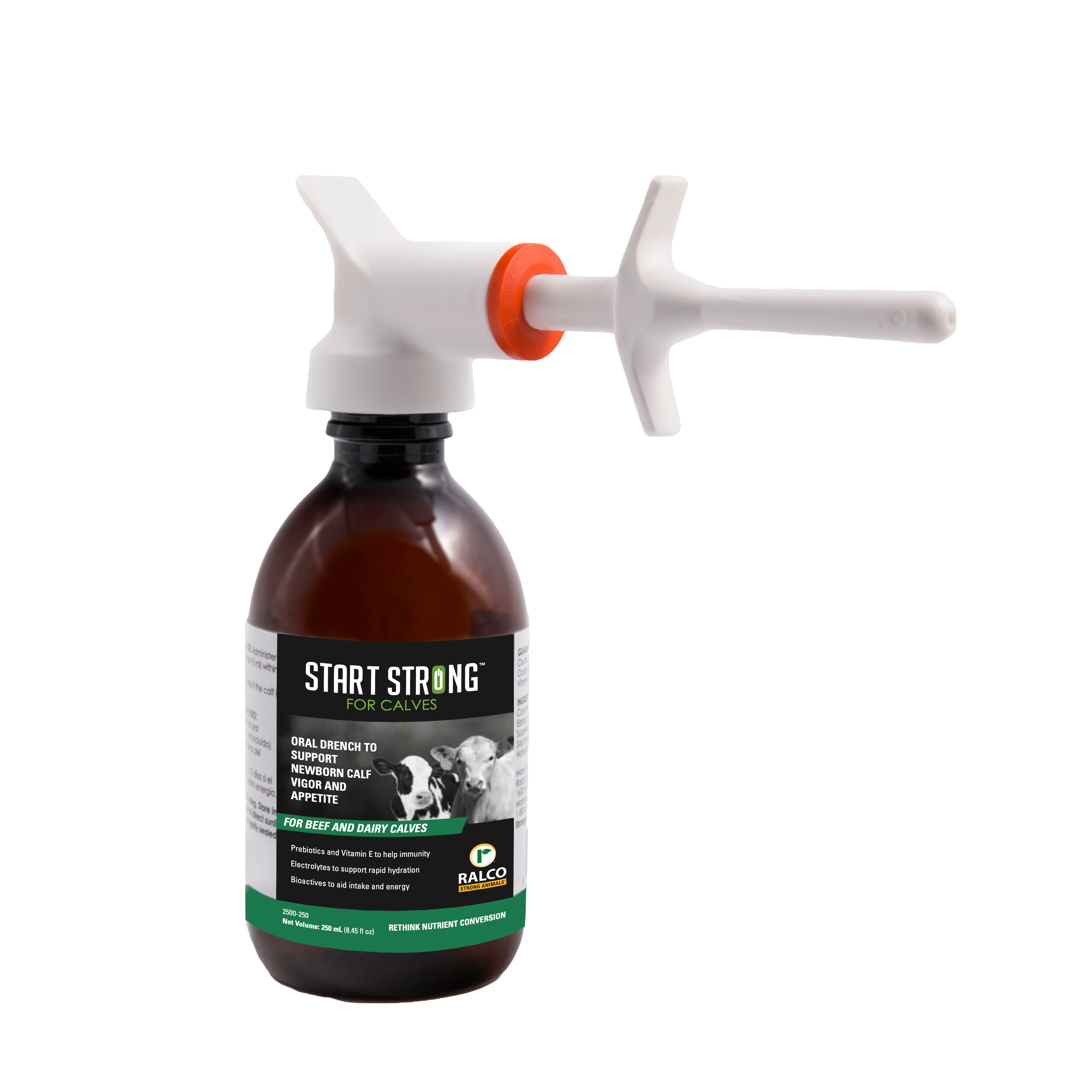
Start Strong for Calves – Maximize Colostrum Intake
Start Strong for Calves is a natural oral drench that supports appetite, digestive health and provides newborns with the energy they require.
References: