
Healthy piglets come from healthy sows. At every stage of the gestation, farrowing and lactation process, it’s essential to keep a watchful eye on sow nutrition to wean healthy pigs not only now but also in the next litter.
Feeding gilts for success
The goal for feeding gilts isn’t to get them to grow as quickly as possible – the goal is to bring longevity and long-term productivity. Her body is still growing and preparing to breed, so a gilt needs a different nutrient balance than a finishing pig, with the right minerals and vitamins to meet those dual needs. Then after her first litter, the nutrition can be further dialed in, if necessary, to ensure she’s ready for the next breeding cycle.
Feeding in gestation
How we feed sows in gestation can impact how they farrow, how they do in lactation and how well they breed back.
During gestation, it is crucial to keep an eye on the body condition of your sows. A sow needs to be in ideal body condition to have the most potential success at farrowing. Over-conditioned sows are more likely to have stillborns and to eat less in lactation, which impacts their ability to provide nutrients and energy to their pigs, as well as their breed-back success. Likewise, a sow that is under-conditioned in gestation will deliver lower-quality pigs, struggle in lactation and be harder to breed back.
Fiber is also important in gestation, as it decreases sow constipation and makes sows feel fuller, reducing aggression and increasing animal contentment. It has also been shown to increase the capacity of a sow’s digestive tract, which allows for greater intake during lactation and improved milk production.
Balancing amino acids to improve pig growth is vital at critical points in the gestation process. During gestation, producers should be on the lookout for mycotoxins in feed, as they can impact the productivity of sows. Adding a mycotoxin binder can limit the impact of mycotoxins on your sows.
Essential oils, such as Ralco’s Regano® EX, have also been shown to have a positive impact when provided to sows in gestation, sows fed the additive saw an overall increase in colostrum quality after farrowing. Because sows can’t increase their colostrum production, this improved quality can get piglets off to a better start. The benefits of this improved colostrum quality can be seen all the way to the finishing barn.
Feeding in lactation
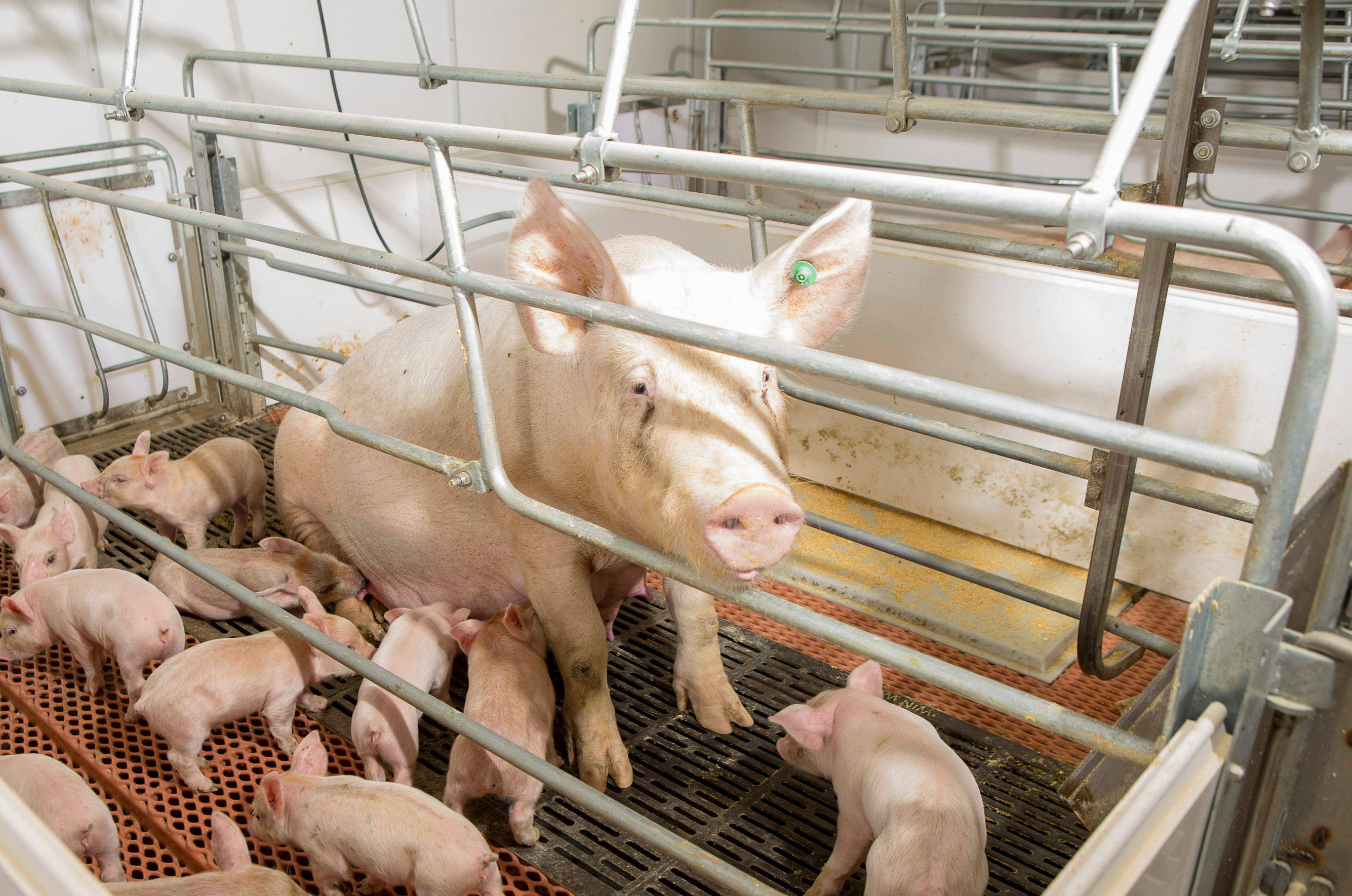
The primary goal of any sow farm is to provide the right environment for sows to produce healthy high-performing piglets. Healthy piglets need to be fed well from the start to reach their highest potential. So if all their nutrition comes from the sow, it makes sense that how we feed sows when they’re feeding piglets is essential. Sows can only provide as good of milk as the feed they take in.
Considerations for feeding lactating sows
A sow can’t eat what’s not there, so keeping fresh, dry feed in front of her is important. During lactation, sows need to eat as much as possible to meet their energy needs as they keep their piglets well-fed. Everything a sow takes in is going towards milk production, so if that intake is limited, that energy comes directly off her – causing her to lose too much body condition and impacting her ability to breed back.
Providing sows with an energy-rich diet is also crucial. Adding fat is the best way to add energy. In lactation, any energy improvements we make go directly into the sow’s milk and to the litter – and higher quality milk means higher quality pigs.
At Ralco, we encourage a net energy formulation. A net energy diet considers the amount of energy in the feed minus the energy lost in the feces, urine and heat production through digestive and metabolic processes. What’s left is metabolizable energy. Soybean meal and its high proteins take a lot of energy – and create a lot of heat – in the digestive process. We’re adding more corn to diets, so the sows are cooler, continue eating and maximize milk production.
How much feed a sow is getting matters, as we want to balance her diet to meet her needs best. Actual feed data can help you understand how much lysine and other amino acids your sows are getting versus what they need. Producers should work with a nutritionist to balance those diets. The key is ensuring that all nutrients and energy the sow takes in is balanced and used efficiently to help your sows and farm operate at peak performance levels.
Feeding for the next cycle
How we feed sows during lactation can also impact their next reproductive cycle.
Feed intake is vital to milk production and keeping a sow in ideal body condition. The goal is to ensure she’s getting enough feed so she doesn’t lose body condition, which can hinder her potential to breed back.
But diet composition can also have an impact on long-term performance. Energy is essential for a sow’s long-term productivity, but studies have shown that different energy sources can affect reproductive health differently. Fat and starch are two primary ways to add energy to swine diets. Starch energy in corn has been shown to lead to a higher estrus cycle in sows. Those on a starch energy source diet tend to produce more ovulated eggs, breed back immediately and have better embryo survivability. These improvements make it worthwhile to utilize technologies such as crystalline amino acids and enzymes in the lactating sow diet, resulting in a greater corn inclusion rate and more energy from starch.
One of the best ways to get the right balance for your sow diets is to work with a nutritionist to create a diet that works for your farm. EnMAX® Nutritionis Ralco’s solution for developing net energy diets that can help you ensure that none of your nutritional budget is wasted. These diets help sows reach production goals and focus energy on lactation. The nutritional program maximizes productive days and increases sow longevity.
Maintaining a healthy gut
A healthy gut is vital for high-performing sows at every stage of production. A significant portion of the immune system is based in the gut, so by addressing the needs there, we make a sow better equipped to fight off the harmful bacteria that may enter her body. Simply put, we want to feed the good bacteria in her gut so it can push out the harmful bacteria that may be present. Another plus of a healthy gut is that it keeps the sow from passing the harmful bacteria through her system, where her pigs may come into contact with it during those first few days of development. Fiber and essential oil products can help feed those good bacteria and keep sows in prime health.
How Ralco can help save more piglets
Once piglets are born, try Ralco’s fast-acting natural oral drench that gets baby pigs up and eating quickly by stimulating appetite and supporting a healthy immune function.