
• Skip to main content
  • Skip to header right navigation
  • Skip to site footer
  • Careers
  • Contact Us
Logo for Ralco featuring a stylized green letter "R" with a leaf inside a yellow circle, next to the text "RALCO Nature Elevated by Science" in green letters.

Ralco Agriculture

  • Home
  • About
    • History
    • News
    • Sustainability
  • Our Science
    • Microfused® Essential Oils
    • Actifibe®
    • Microbial Catalyst®
  • Products
        • All Products
        • Swine
          • Nursery / Grow-Finish Health
          • Gestation / Lactation Health
          • Nursery Nutrition
          • Grow-Finish Nutrition
          • Specific Health Challenges
        • Poultry
        • Beef
          • Cow/Calf Health
          • Cow/Calf Nutrition
          • Feedlot Health
          • Feedlot Nutrition
        • Dairy
          • Calf
          • Cow
        • Crops & Forage
          • Crops
          • Forage
        • More Solutions
          • Aquaculture
          • Equine
          • Feed Mill
          • Organic
          • Show Animals
          • Small Ruminants
  • Resources
    • FAQs
    • Videos
    • Podcast
    • Ralco Reader Blog
  • Shop
  • Careers
  • Contact Us
Search Search
Search
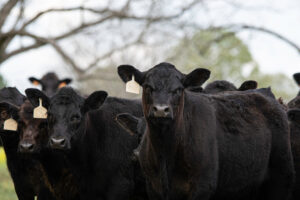
A group of black cows with ear tags stands outdoors, closely gathered together. Leafless tree branches and blurred greenery are visible in the background.

The Best Vitamins for Cattle

August 4, 2023 | Beef

Vitamins are essential for growth, health, reproduction and survival of all classes of livestock.

Vitamins, just like almost every other nutrient in a mineral, can go from being far in excess of animal requirements to well below. Especially in grazing cattle conditions where vitamins are often overlooked in the basal forage supply.

In the cattle industry, there’s a belief that more vitamins are always better, but that’s not necessarily true. Too many vitamins in a mineral and they’re wasted through urine or feces. Not enough and it can put cattle at risk of vitamin deficiencies.

In this article, expert ruminant nutritionists clarify how you can determine the vital vitamins your herd requires during different stages of their lives.

What vitamins do cattle need?

Beef cattle mostly require vitamins A, D and E. Cattle are unique in the fact that the bacteria in their rumen can produce vitamins K and B vitamins in sufficient quantities to meet animal requirements without needing supplementation.

How much vitamin A do cattle need?

Vitamin A is found only in animals, but its precursor form comes from plants. To make the vitamin, animals convert carotene (a pigment in green and yellow plants) into vitamin A.

Vitamin A is essential for the maintenance of tissues, eyesight, kidney function and normal development of teeth and bones.

Deficiencies of vitamin A are most common in cattle that are confined in a feedlot where green and yellow plants are not most of their diet. However, deficiencies can also occur in grazing situations where forage has extended periods of brownout during a drought or in situations with long-stored hay. It is also recommended to watch vitamin A levels with forages with higher nitrate levels after fertilizer applications.

One of the tell-tale signs of vitamin A deficiency is usually night blindness. If you’re looking for a way to check for deficiency, watch cattle around twilight and see if they easily stumble over obstacles without moving around them. Other symptoms to watch for include rough hair coats, staggering gaits, watery eyes, lameness or stiffness. In grazing cattle, breeding efficiency will also be significantly impacted. Cows will have higher rates of abortions and weak calves. Additionally, cows will be easily excited.

To determine the proper amount of vitamin A needed for your herd, several factors must be assessed like feed source, level of carotene, dry matter intake, storage of vitamin A in the liver, age, stage of reproduction, etc. This chart from Missouri State Extension offers a general vitamin A requirement for beef cattle based on a basic understanding of these factors.

Vitamin A requirements of beef cattle

​

Growing Steers and Heifers

Stressed Steers and Heifers

Gestating Cows

Lactating Cows

Vitamin A, IU per day

12,500

15,000

34,000

54,000

Chart source: Missouri Sate Extension

How much vitamin D do cattle need?

Most know that vitamin D is obtained from sunlight. Mechanisms in the skin convert vitamin D into a form that’s usable by the body. In most grazing conditions, cattle receive enough vitamin D from direct sunlight or sun-cured forages. However, calves and younger growing animals have a higher requirement for vitamin D.

Vitamin D is necessary for the formation of strong bones and teeth but also the metabolic use of minerals like calcium and phosphorus. Most common in younger animals, vitamin D is often injected to prevent rickets or in some cases with mature animals to prevent softening of the bones.

A deficiency of vitamin D is often seen with poor bone structure or an unstable gait. Animals will show signs of decreased growth, swollen joints, arching, easily broken bones or deformed calves in pregnant cows.

To prevent poor bone structure, research shows that growing calves require about 300 IU of vitamin D per 100 pounds of body weight in their mineral.

How much vitamin E do cattle need?

The role of vitamin E in cattle is unclear, but many researchers believe its primary function is as an antioxidant to protect soft tissues from oxidative stress and other vitamins in the digestive tract.

The most common vitamin E is deficiency is shown in calves with white-muscle disease. Injectable vitamin E and selenium have been shown to help cure and prevent white-muscle disease from occurring.

The need for vitamin E in beef cattle rations has not been clearly identified. Until more is known, experts recommend that cattle be supplied with a minimum of 50 IUs of vitamin E a day.

While cattle obtain most vitamin E from forages, and it isn’t needed in most grazing conditions, it should be supplemented between 50 and 100 IU/day to cattle-fed grains or low-quality hay for extended periods of time.

Let us help you build a custom mineral program specific to your herds’ vitamin and mineral requirements. Get started today by directly contacting Ralco’s ruminant nutritionist, Dr. Jeff Hill, by calling 507-337-6916 or emailing RuminantHelp@RalcoAgriculture.com.

References:

  1. Vitamins for Beef Cattle University of Missouri

Share this post

Sidebar

Categories

  • News
  • Beef
  • Dairy
  • Poultry
  • Swine

Archives

  • July 2026
  • June 2026
  • May 2026
  • February 2026
  • January 2026
  • December 2025
  • November 2025
  • October 2025
  • September 2025
  • August 2025
  • July 2025
  • June 2025
  • May 2025
  • April 2025
  • March 2025
  • February 2025
  • January 2025
  • December 2024
  • November 2024
  • October 2024
  • August 2024
  • June 2024
  • May 2024
  • March 2024
  • February 2024
  • January 2024
  • December 2023
  • September 2023
  • August 2023
  • July 2023
  • June 2023
  • March 2023
  • February 2023
  • January 2023
  • December 2022
  • November 2022
  • October 2022
  • August 2022
  • July 2022
  • June 2022
  • May 2022
  • April 2022
  • March 2022
  • February 2022
  • December 2021
  • August 2021
  • July 2021
  • June 2021
  • April 2021
  • March 2021
  • January 2021
  • December 2020
  • October 2020
  • August 2020
  • July 2020
  • June 2020
  • May 2020
  • April 2020
  • March 2020
  • February 2020
  • December 2019
  • October 2019
  • July 2019
  • June 2019
  • May 2019
  • April 2019
  • February 2019
  • June 2018
  • March 2018
  • February 2018
  • December 2017
  • August 2017
  • May 2017
  • March 2017
  • December 2016
  • November 2016
  • October 2016
  • August 2016
  • July 2016
  • June 2016
  • January 2016
  • December 2015

Categories

  • News
  • Beef
  • Dairy
  • Poultry
  • Swine

Let’s Tackle Your Toughest Challenge

If there’s a problem holding your operation back, we’re here to help you solve it. If you’re ready for products that bring together nature and science, let’s talk!

Ralco News

Holstein dairy calf in a fenced in hutch

Heat Stress in Dairy Calves Starts Before You See It

Heat stress is usually talked about in terms of the milking herd. Lower dry matter intake, reduced …
Read moreHeat Stress in Dairy Calves Starts Before You See It
Two white broiler chickens stand close to a water dispenser; one chicken drinks from a red nozzle above, while the other looks on with its beak slightly open. The background shows more chickens out of focus.

How to Use Poultry Production Data to Make Better Flock Decisions

Production data is one of the most powerful tools in commercial poultry operations, but the biggest …
Read moreHow to Use Poultry Production Data to Make Better Flock Decisions
A group of black and white dairy cows stand in a circular milking parlor, attached to milking machines, inside a bright, modern barn.

Mastitis in Dairy Cows and Heifers: How to Manage Risk Before Production Loss

Mastitis remains one of the most costly and complex diseases in dairy production. The National …
Read moreMastitis in Dairy Cows and Heifers: How to Manage Risk Before Production Loss
Ralco logo with a green vertical bar and a leaf inside a yellow circle, next to the word "RALCO" in white, and the tagline "Nature Elevated by Science" below.
Four faded certification logos in a row, including HALAL, RMPP, GMP+, and FAMIQS, on a light background. Text and images within the seals are barely visible.

Subscribe for news and updates

Home
About
Our Science
Shop
Resources
Careers
Contact Us
Call 1 (800) 533-5306

  • Facebook
  • Instagram
  • YouTube
  • LinkedIn

Copyright © 2026 · Ralco Agriculture · All Rights Reserved · Privacy Policy

We use cookies to enhance your browsing experience, serve personalized ads or content, and analyze our traffic. By accepting, you agree to our use of such cookies. Privacy Policy