
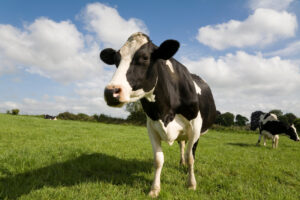
Avian influenza, commonly known as bird flu, has been primarily associated with birds, but recent cases have shown that it can also affect mammals, including dairy cows. This article will help you understand bird flu (H5N1) in cattle, its symptoms, transmission, prevention and treatment.
What is Bird Flu?
Bird flu, or avian influenza, is an infectious viral disease that primarily affects birds but can sometimes infect mammals, including humans. The H5N1 strain is highly pathogenic in avian species and has been a concern due to its potential to cause severe disease and high bird mortality rates.
Bird Flu in Dairy Cows
Though rare, bird flu has been documented in dairy cows. The first multi-state outbreak of HPAI A (H5N1) bird flu in dairy cows was reported on March 25, 2024. This unprecedented event highlighted the need for increased awareness and preventive measures among beef and dairy farmers. The virus can lead to significant economic losses due to decreased milk production and the potential need to cull affected animals to prevent further spread.
Symptoms of Bird Flu in Cows
Identifying bird flu in dairy cows can be challenging because the symptoms often mimic other illnesses. Common signs to look out for include:
Fever: Elevated body temperature.
Respiratory Distress: Difficulty breathing or rapid breathing.
Decreased Milk Production: Lower than usual milk output.
Lethargy: Unusual tiredness or lack of energy.
Loss of Appetite: Reduced feed intake.
If you observe these symptoms in your cows, consult a veterinarian immediately for proper diagnosis and treatment.
How Do Cows Get Bird Flu?
Cows can contract bird flu through several means:
Direct Contact: With infected birds or their droppings. Birds often defecate in places accessible to livestock, creating a risk of transmission.
Contaminated Feed and Water: Consuming feed, water or infected birds contaminated with the virus. It’s essential to ensure that feed and water sources are protected from wild birds.
Environment: Exposure to contaminated environments, such as habitats frequented by infected birds. Farms near wetlands or migratory bird paths are particularly vulnerable.
Is Bird Flu Contagious?
Yes, bird flu is highly contagious among birds and can spread to mammals, including cows, under certain conditions. The virus can spread through direct contact with infected animals or contaminated environments. While mammal-to-mammal transmission was once considered rare, recent instances suggest it can occur.
Can Humans Get Avian Flu?
Yes, humans can get avian flu. On April 1, 2024, the CDC confirmed the first human HPAI A(H5N1) infection linked to dairy cows in Texas. This marks the first likely instance of mammal-to-human transmission in the United States. The first ever recorded human infection occurred in Hong Kong in 1997.
Infected birds shed the virus in their saliva, mucus, and feces. Humans can become infected by touching surfaces contaminated with the virus and then touching their eyes, nose, or mouth or by inhaling droplets or dust containing the virus in the air.
Symptoms of avian flu can vary widely in humans. They can range from mild respiratory issues, such as a cough or sore throat, to severe illnesses, including pneumonia and even death. People in direct contact with infected birds or animals are at the highest risk of contracting the virus.
H5N1 particles have been detected in milk and meat from infected cows. However, pasteurization or cooking destroys the virus and eliminates the risk of disease transfer in milk and meat, making it safe for consumption. One cow tested positive for H5N1 in meat, but it did not enter the food chain, ensuring the safety of beef products.
Bird Flu in Humans: Prevention and Treatment
To reduce the risk of avian flu in humans:
Wear Protective Gear: Masks and gloves when handling infected animals.
Maintain Good Hygiene: Wash hands thoroughly after contact with animals.
Monitor Health: Seek medical attention if flu-like symptoms appear after exposure.
Treatment for avian flu in humans typically involves antiviral medications. Consult a healthcare provider for proper diagnosis and treatment.
Avian Influenza Treatment in Cows
Currently, there is no specific antiviral treatment for bird flu in cows. Some studies suggest that antiviral medications used for seasonal flu might be effective, but this is still under investigation.
Treatment primarily focuses on supportive care to manage symptoms and reduce the impact of the disease. In practice, veterinarians often address the drop in feed intake with treatments like aspirin, a rumen bolus, electrolytes and B-Complex vitamins.
Typically, infected cows go off feed for 3–4 days, but suppressed intake can last for weeks, or even months. Milk loss during this time varies widely, from a 50% drop in production to extreme cases where cows are dried off early and bred again in hopes of recovery. Unfortunately, some cows never fully recover and may be culled from the herd.
Vaccinating cows against bird flu is currently uncommon, but research is ongoing to develop effective vaccines. Until then, maintaining good herd health and strong biosecurity measures are your best defense.
Preventing Bird Flu in Dairy Cows
Prevention is the best strategy to protect your dairy cows from bird flu:
Biosecurity Measures: Implement strict biosecurity measures to prevent contact with wild birds.
Clean Environment: Regularly clean and disinfect their environment, including feed and water sources.
Monitor Herd Health: Regularly check the health of your animals and report any unusual symptoms to a veterinarian.
Understanding bird flu in dairy cows is essential for maintaining the health and productivity of your herd. By recognizing the symptoms, implementing preventive measures and seeking timely veterinary care, you can minimize the impact of this disease.
Supporting Cows Through Bird Flu-Related Stress
While bird flu is typically not fatal in dairy cows, the real financial impact often comes from drops in feed intake and the resulting decline in milk production during a disease challenge. Managing stress and keeping cows eating is critical to protecting performance during outbreaks.
Fight Strong for Cow Stress has been shown to support feed intake in dairy cows during stressful events, including disease challenges like bird flu. By helping maintain appetite and reduce the impact of stress, it offers an additional layer of support alongside veterinary care and good management practices.
For more information on avian influenza and its impact on different species, visit the CDC’s official page on H5N1 or follow animal health officials at AVMA to stay informed and up to date on your state. The FDA and USDA also include frequent updates.
Have any other questions about bird flu? Talk to a Ralco ruminant specialist today by calling 507-337-6916 or emailing RuminantHelp@RalcoAgriculture.com

Fight Strong for Cow Stress – Get Cattle Back on Feed
Fight Strong for Cow Stress are natural capsules that support getting cows back on feed and helps with rumen function.