
Weaning calves is an essential yet stressful task for beef producers. Transitioning from cow’s milk to solid feed can pose a significant challenge for young calves, leading to high-stress levels and even disease.
However, this process can be successful and even enjoyable with proper planning and management. In this article, we’ll discuss when to wean calves, the challenges, the importance of proper feeding and tips for a successful weaning process.
When to Wean Calves
Weaning is generally done between three and eight months, depending on the management systems and resources available. Here are the pros and cons of weaning at different ages.
Early weaning (less than four months) can be beneficial in drought years, or anytime that extra body condition is needed on cows. Additionally, by removing the energy requirements of lactation from the cow, weaning calves earlier can be a great strategy to reduce the amount of feed required for the upcoming winter.
The younger the calf is, the lower its weight, which can reduce income from the sale of the calf. However, if you’re retaining ownership of the calf through a growing and finishing phase, that extra weight can quickly be gained cost-effectively later.
The earlier or younger the calf is at weaning, the more emphasis must be placed on the calf’s nutritional management. The younger the animal, the higher its overall nutrient requirements are, and with a less developed rumen, you must use better options than low-quality forage.
Late weaning has the obvious benefit – a heavier calf that’s easier to wean and requires fewer nutritional resources. The risk is your cows will likely have a less-than-desired body condition and an extra drain on forage resources.
Bottom line, there’s no magical or inherently correct age to wean a calf, and the age you choose should match your goals, management style and resources.
Why Are Weaned Calves Stressed
Weaning is stressful for calves as it’s their first time away from their mother and they’re likely placed in a new and strange environment. Whenever stress occurs, there’s a natural depression in the immune system, and coupled with animals being so close to each other, there’s more potential exposure to pathogens.
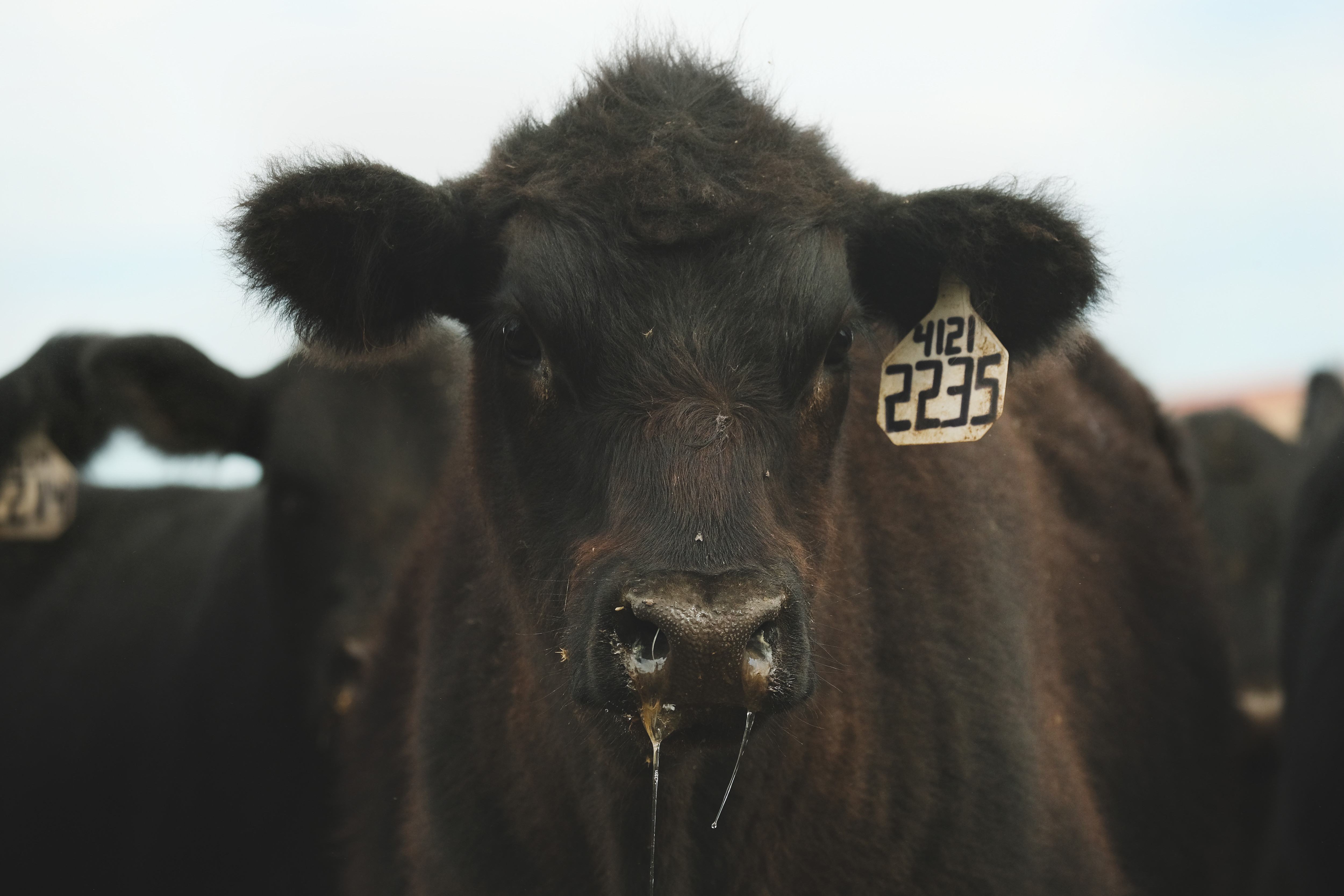
These two things combined often cause an increase in sickness, most commonly bovine respiratory disease (BRD) and pneumonia. Hence, watching for symptoms like coughing, nasal discharge, lethargy and reduced appetite is essential during this time.
What to Feed Weaned Calves
As young calves grow, their nutritional needs evolve. A weaned calf’s diet differs from that of a nursing calf, and it’s crucial to meet those needs for a healthy transition to solid feeds. Quality forage and a balanced diet packed with protein, energy, minerals and vitamins are essential to support their growth.
A calf starter with a blend of grains and other feedstuffs works well to transition a calf. The calf starter should be palatable, easy to digest and free from mold or toxins – an absolute necessity. Remember that most animals are slow to eat something they haven’t previously been exposed to.
With this in mind offer clean, high-quality grass hay in the first days of weaning, as that’s what they’ll be most familiar with. After a few days, a grain mix or more unfamiliar feed ingredients can be introduced, like fermented feeds, alfalfa hay or by-product feeds.
A key component to calf starter feed is to ensure the ration isn’t dusty, as that can detract from palatability and create lung irritation, making them even more susceptible to respiratory diseases like BRD or pneumonia. Simply adding water to the ration can go a long way in mitigating dust and improving palatability.
Ralco’s Fight Strong® Pellet is a calf starter feed additive that was designed to attract calves to the bunk and get them eating fast while boosting digestion and immunity. With patented micro-nutrients, this feed additive helps stimulate rumen function and enhance digestibility, ensuring optimal feed consumption and fewer off-feed events during weaning.
Tips and Tricks for Weaning Success
The weaning process should be executed with minimal stress on your calves. Adopting low-stress handling techniques can reduce cortisol levels, helping calves cope better with the transition. By offering a familiar diet, as previously discussed, that your calves have already been exposed to before weaning helps drastically reduce stress and minimize health challenges and performance losses.
One strategy is to let the cows and calves be near each other, where they can physically see and smell one another. Also called fence-line weaning, this strategy doesn’t have to last more than just a few days until the calves are eating well and used to their new environment. Keep in mind that some well-constructed facilities are a necessity for this strategy.
Again, keeping dust levels as low as possible in the pens is crucial (and can’t be stressed enough), even if it requires wetting pens down. It’s also important to keep plenty of fresh water and electrolytes available to calves to help maintain health during the weaning process. Increase calf water intake with a simple yet effective strategy: let the water overflow from stock tanks. This helps calves locate the water source quickly.
A good practice for weaning calves is to start them on creep feed 30-45 days before weaning. This allows you to get some extra nutrients and key vitamins and minerals in the calves to help support their immune system, but more importantly, it’ll get them used to eating feed.
When it’s time to wean, pull the feeders into the pen, pasture or trap them wherever you plan to wean and the calves will already be familiar with eating out of that feeder. Always provide good, clean, high-quality grass hay as well.
Ensure a favorable environment and weather conditions during the weaning process. Avoid extreme temperatures, whether too hot or cold. Remember, animals can adapt effectively to temperatures but only they’re provided with adequate time and resources.
When it’s hot during weaning, it’s crucial to make sure your animals have enough cool water and consider giving them electrolytes. Don’t forget to keep the dust down and provide plenty of shade for their comfort as well.
When it gets colder, make sure to provide shelter and bedding for the cows and calves. It’s also important to provide them with a high-energy diet to keep them warm. Although the fall doesn’t typically bring extreme heat or cold, the temperature can vary greatly from day to night. This can be tough on calves, so it’s best to be prepared.
As previously mentioned, cattle can adapt well to most environments given time and resources; however, these rapid changes can take a toll on animals especially when they’re already stressed from weaning. To the best of your ability, try to avoid times of the year when intense temperature swings are common.
Mastering the weaning process is essential for good herd management. By following these tips, you’ll minimize the risk of disease, weight loss and poor performance. Take into account the calf’s age, nutritional needs and stress levels and you’ll create a seamless weaning strategy for you and your herd.
Calf Feed for Weaning
At Ralco, we understand that calves can experience a decline in rumen function and immunity during weaning, which can hinder their growth and performance. That’s why we created Fight Strong, a specially formulated feed additive that contains all the essential nutrients to strengthen immunity, maintain appetite and enhance overall performance as calves transition to the next stage of life.
Give your calves the extra boost they need at weaning. Learn more about Fight Strong or buy now!