
In August 2024, a historic change happened in U.S. poultry nutrition: Hempseed Meal (HSM) was officially approved as a feed ingredient for laying hens by the Association of American Feed Control Officials (AAFCO). (1) This opens the door to a new, plant-based protein option for layer diets, and a wave of questions from producers.
Is it worth trying? Can it replace soy or canola? What does it cost? Here’s what poultry producers should know about hempseed meal and how it might fit into layer nutrition programs.
Why Hempseed Meal Was Approved for Laying Hens
Although interest in feeding hemp to animals began years ago, legal and regulatory barriers kept it from widespread use. That changed with the 2018 Agricultural Improvement Act (Farm Bill), which legalized the commercial production of industrial hemp. (2) Still, feed ingredient approval remained in the hands of the FDA and state programs, which is why AAFCO’s August 7, 2024, approval of HSM for layers is so significant.
The approval came after years of research, collaboration from the Hemp Feed Coalition, and increasing recognition of hempseed meals’ nutritional value. Not only is it a high-protein ingredient, but it’s rich in essential amino acids, vitamins and healthy fats and comparable to soy and canola meals in many cases. (3)
What is Hempseed Meal?
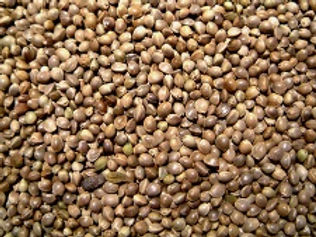
Hempseed meal is the co-product left behind after extracting oil from hempseeds. It’s typically about 30–40% protein, making it one of the richest plant-based protein meals available. (3) With the rapid expansion of hemp oil products, supply of HSM has become more abundant, and the industry has been searching for ways to use it in value-added animal nutrition.
Like any other feed ingredient, hempseed meal can also be certified organic when grown under organic farming practices.
Pros and Cons of Hempseed Meal in Layer Diets
Benefits
High-quality protein: Hempseed meal offers a complete amino acid profile and is highly digestible.
Sustainable source: As a byproduct of oil production, it supports full-use crop systems.
Comparable to fishmeal and soy: Early research suggests HSM could be used in place of more expensive or limited-availability protein sources like fishmeal or animal byproducts. (5)
Organic compatibility: A potential protein option for organic egg producers.
Considerations
Protein variability: Hempseed “cake” (the term for more compressed forms) tends to have about 30-50% protein, close to soybean meal crude protein (35-50%) while other meals may fall slightly lower. (6)
Cost fluctuation: As of fall 2025, prices vary significantly, from competitive to as high as $6.67/lb. depending on source and processing method. (4)
Performance maintenance vs. improvement: HSM isn’t a performance booster, rather, its value lies in maintaining current production levels with alternative protein source.
Can it Replace Existing Ingredients?
Hempseed meal isn’t meant to overhaul a complete feed program, but it may replace a portion of more expensive protein sources. With nutritional value similar to fishmeal, HSM could offer flexibility in formulating diets, especially when other protein ingredients are in short supply or come with a high price.
Should Poultry Producers Try it?
It depends.
For large commercial operations, diet changes are always a balancing act between cost and performance. Any new ingredient must be introduced at a price point that offsets risk and any temporary loss in production efficiency.
That’s why our recommendation, for now, is to start low and go slow. If you’re interested in exploring hempseed meal, add it at a lower inclusion rate and monitor results closely. Work with your poultry nutritionist to find the right balance, watch for egg quality and shell consistency and evaluate cost per dozen outcomes.
While the approval of hempseed meal in layer diets marks a big step forward in expanding protein ingredient options for egg producers, it’s not a miracle ingredient. It’s a practical and sustainable alternative that may provide flexibility in feed sourcing and formulation.
If you’re considering trying it, the key is to introduce it thoughtfully, evaluate carefully and always partner with a nutritionist. HSM may not change your feed program overnight, but it’s a sign of where the future of poultry nutrition is headed, one ingredient at a time.
Looking Ahead: Value-Added Opportunities for Egg Producers
While hempseed meal today is primarily about adding flexibility and protein diversity to layer diets, it could also play a role in the future of value-added egg products.
Research suggests that feeding hemp can increase levels of omega-3 fatty acids and other beneficial fats in eggs. That opens the door for potential “hemp-enriched” or omega-3–enriched eggs, a premium category that consumers increasingly seek out for their health benefits.
For egg companies, this represents more than just a feed ingredient, it’s a chance to explore specialty markets and label claims that could elevate consumer appeal and market value. While still in its early stages, it’s an area worth watching as consumer demand for enriched foods continues to grow.
Talk With a Ralco Poultry Nutritionist
Considering hempseed meal or looking for other ways to strengthen your poultry nutrition program? Our poultry specialists can help you evaluate ingredient options and tailor a strategy for your operation.
Connect with our Ralco poultry nutritionists by calling customer service at 1 (800) 533-5306 today!
References
National Hemp Association. (2024). AAFCO Approves Hempseed Meal for Laying Hens. https://nationalhempassociation.org/aafco-approves-hempseed-meal-for-laying-hens
USDA Economic Research Service. (2018). 2018 Farm Bill Overview. https://www.usda.gov/farming-and-ranching/farm-bill
ScienceDirect. (2024). Utilization of Hempseed Meal in Animal Feed. https://www.sciencedirect.com/science/article/abs/pii/S0143749624001222
Mad Barn. (n.d.). Feed Profile: Hempseed Meal. https://madbarn.com/feeds/hempseed-meal
Feed & Grain. (2023). How Hemp Fits Into the Animal Feed Market. https://www.feedandgrain.com/blogs/feed-grain-pov/blog/15386989/how-hemp-fits-into-the-animal-feed-market
Science Direct. (2025). Effects of partial replacement of soybean meal with hemp seed (Cannabis sativa L.) cake on the growth and meat quality in female three-yellow chickens. https://www.sciencedirect.com/science/article/pii/S0032579124010447