
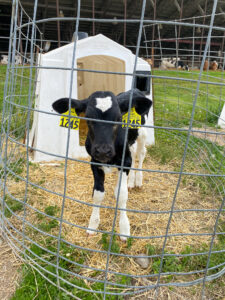
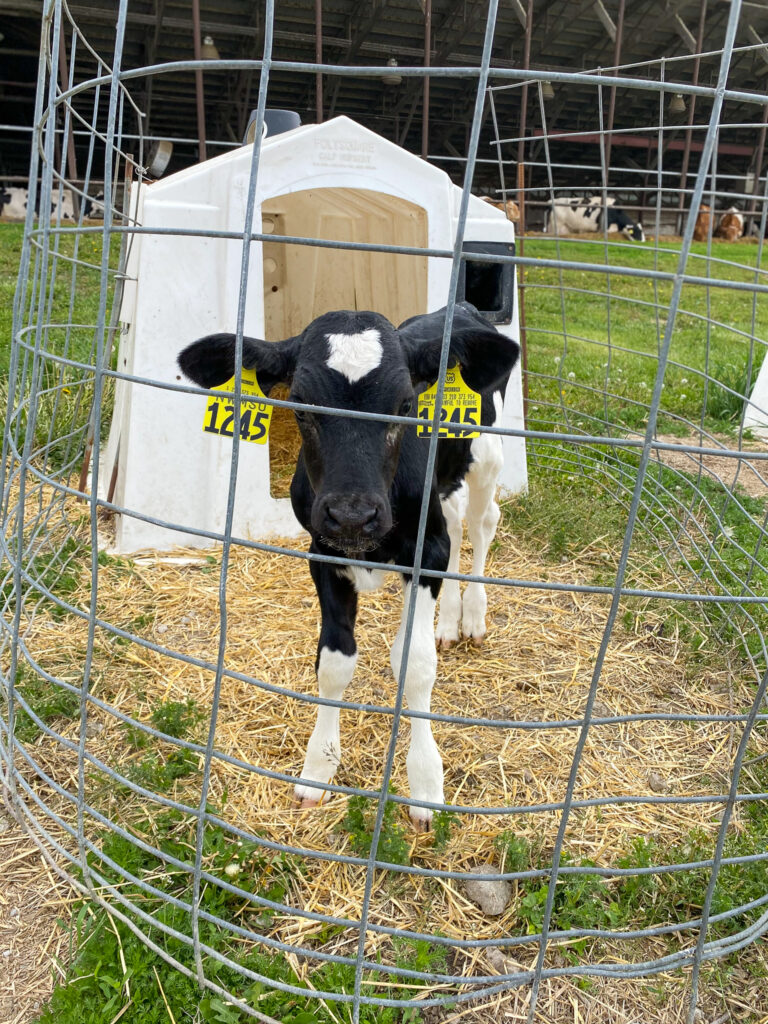
Heat stress is usually talked about in terms of the milking herd. Lower dry matter intake, reduced milk production, reproductive challenges and more time spent standing are often the first things producers think about when temperatures climb.
But calves feel heat stress too, and the impact can start earlier than many people realize.
Heat Stress Looks Different in Calves Than Cows
Heat stress in mature cows is often easier to spot because the signs show up in production. Cows may eat less, drink more, breathe faster, pant, stand longer, bunch together or drop in milk. High producing cows are especially vulnerable because milk production creates additional metabolic heat. (1)
Calves are different. A young calf isn’t producing milk, and her rumen isn’t functioning like a mature rumen yet. That makes heat stress easier to overlook. However, calves are still using extra energy to maintain normal body temperature.
When the environment pushes them outside their thermoneutral zone (where calves don’t expend extra energy maintaining their normal temperature) more of the energy they consume is directed toward cooling and maintenance instead of growth and immune function. (2)
The University of Wisconsin notes that a newborn calf can maintain core body temperature without extra energy between about 50°F and 77°F, while a one-month-old calf’s thermoneutral zone is about 32°F to 73°F. Above that, calories begin shifting away from growth and immune support. (2)
In other words, a day that feels only mildly uncomfortable to people can still put pressure on calves, especially when humidity is high, air movement is low or hutches are sitting directly in the sun.
Heat Stress Can Start Before Birth
Calf heat stress doesn’t always begin in the hutch.
Research shows that heat stress during late gestation can affect the calf before she is even born. Calves from heat stressed dams have been shown to be lighter at birth, have altered immune development and have reduced growth during early life compared to calves from cooled dams. (3, 4)
The immune system begins developing before birth. When a pregnant cow is heat stressed, blood flow, nutrient delivery and hormone signaling can change. That can affect fetal growth, immune organ development and the calf’s ability to absorb and use colostrum antibodies after birth. (1, 4)
In one study, heifers exposed to late gestation heat stress in utero had lower average daily gain from birth to 63 days, reduced starter intake and lower apparent efficiency of IgG (antibody) absorption after colostrum consumption. They also had changes in organs tied to immunity, metabolism and future reproduction. (3)
That’s why dry cow and pregnant heifer cooling matters. Shade, fans, soakers where appropriate and strong water access help support the dam, but also help protect the calf she’s carrying.
What Happens Inside a Heat Stressed Calf
Heat stress starts outside, but the real damage happens on the inside.
When a calf gets hot, her body works to release heat. Respiration rate increases, water needs rise and blood flow is redirected toward the skin and extremities to help cool the body. These responses are normal, but they come with a cost.
Heat stress can affect calves in several ways:
1. Energy shifts away from growth
Cooling takes energy. When calves are hot, more nutrients are used to maintain body temperature. At the same time, feed intake may decline. That combination can slow growth, reduce starter intake and make weaning transitions harder. (4, 6)
2. Hydration needs increase
Calves lose more water through faster breathing, panting and sweating. Water intake can double during periods of heat stress, which makes fresh, clean water critical from the first week of life. (6)
Young calves with scours are especially vulnerable because heat stress and fluid loss can stack quickly. These calves may need additional electrolyte support and other care under the direction of the farm’s calf care protocol or veterinarian.
3. The intestinal barrier can be challenged
Heat stress can also weaken intestinal barrier function. A healthy intestinal lining helps keep bacteria, toxins and undigested particles inside the digestive tract. When that barrier becomes more permeable, sometimes called ‘leaky gut’, harmful compounds can move into circulation and trigger inflammation. (6)
A 2024 Journal of Dairy Science study found that heat stress affected intestinal barrier markers, inflammatory signals and microbial communities in dairy calves. The study reported reduced expression of a tight junction related gene in the jejunum of heat stressed calves, (part of the small intestine where nutrient absorption occurs), which points to intestinal barrier disruption. (6)
Because immune activation and inflammation require energy, fewer nutrients are available for growth, recovery and normal performance.
4. Immune defenses can be weakened
Heat stress can also affect both innate and adaptive immunity. In cattle, heat stress has been associated with changes in lymphocyte proliferation, neutrophil function, oxidative stress and inflammatory signaling. (3)
In simple terms, heat causes cattle to have a harder time recognizing, responding and recovering from immune challenges.
This is especially important in calves because newborns rely heavily on colostrum antibodies while their own immune system matures. If heat stress reduces colostrum intake, antibody absorption or immune cell function, calves may be less prepared to handle normal disease pressure.
5. Respiratory risk can increase
Panting is one way calves release heat, but faster respiration is also a warning sign. Heat stressed calves may show increased respiration rates, elevated body temperatures and reduced intake. These stressors can overlap with respiratory challenges, especially in warm, humid environments with poor airflow. (6, 7)
Michigan State University found that young calves under heat stress have decreased milk and starter intake, lower weaning weights, higher respiratory rates and weakened immune responses with increased bovine respiratory disease risk. (7)
What a Heat Stressed Calf Looks Like
Heat stress can show up subtly at first. Watch calves closely during hot afternoons, after several warm nights or when humidity is high.
Common signs include:
- Lower milk or milk replacer intake
- Reduced starter intake
- Slower drinking and off feed
- Less movement
- More time standing
- Less time lying comfortably
- Faster breathing
- Open mouth breathing or panting
- Drooling
- More water consumption
- Dullness or calves that seem slow to respond
Respiration rate can be a helpful early indicator. Michigan State University states that 40 breaths per minute can indicate discomfort, while 60 breaths per minute may signal clinical heat stress. (7)
The earlier these signs are caught, the easier it is to respond before growth, hydration and immune function take a hit.
Start With the Basics of Calf Cooling
There isn’t a single fix for heat stress. Calves need a full management approach that reduces heat load and supports the animal from the inside.
1. Improve airflow
Air movement helps remove heat and moisture from the calf’s environment.
For hutches:
- Open vents and doors during hot weather
- Prop the back of hutches 4 to 6 inches to increase airflow. Add a cement block under each hutch
- Space hutches so air can move between them
- Avoid placing hutches where surrounding buildings, weeds or equipment block airflow
- Place hutches under shade if possible.
The University of Wisconsin recommends spacing hutches about four feet apart with about 10 feet between rows to improve circulation. They also note that ventilated hutches have been shown to reduce calf respiration rates compared with nonventilated hutches. (2)
For indoor calf barns:
- Open sidewalls when weather allows
- Use positive pressure tubes or fans designed for calf level airflow
- Check air movement where calves are actually lying
- Avoid dead spots where heat and humidity collect
Airflow should cool the calf without creating dusty, drafty or wet conditions.
2. Provide shade without blocking air
For calves in hutches, shade cloth, trees or shade structures can help keep them cooler, but the shade needs to be high enough that it doesn’t trap heat or restrict airflow.
It’s recommended to use shade cloth that’s rated to block at least 80% of UV light when shade cloth is used over hutches. (4) When using shade structures, plan for about 11 to 20 square feet of shade per calf. (8)
3. Keep water fresh and available
Water is one of the most important heat stress tools. Calves should have access to clean, fresh water starting the first week of life. During heat stress, calves may drink twice as much water as normal. (4, 6)
Water buckets should be cleaned daily because heat can encourage bacteria, algae and biofilm growth. Warm weather also increases fly pressure, which can add another layer of stress and disease risk.
When calves are dealing with heat and other stress, electrolytes and vitamins should be added to help support hydration, normal intake and overall stress recovery.
4. Use water cooling carefully
For mature cows, sprinklers or soakers are often paired with fans to wet the hide and then use air movement for evaporative cooling. For calves, water cooling needs more caution.
Misters or light water cooling may help in certain hot, dry environments, but they can also create wet bedding and higher humidity if airflow and drainage aren’t adequate.
If water makes the pen damp, raises humidity or increases bacterial growth, it may create more problems than it solves. In most calf systems, shade, airflow and drinking water should come first.
5. Manage bedding for summer
Bedding that works well in winter may hold too much heat in the summer. Deep straw provides insulation in cold weather, but it can trap heat around the calf during high temps.
In summer, focus on bedding that stays clean, dry and comfortable. Sand can help dissipate heat and may reduce fly pressure compared with bedding that holds moisture. (4)
6. Feed around the heat
Heat stressed calves may eat less starter. Feed can also spoil faster in warm weather.
To support intake:
- Offer fresh starter daily
- Remove spoiled or wet feed
- Clean buckets and feeding equipment often
- Feed milk or milk replacer before and after peak heat when possible
- Avoid major routine changes during the hottest part of the day
Calf energy requirements can increase 20 to 30% during heat stress. Increasing the plane of nutrition may help calves meet that energy demand, but larger milk volumes should be managed carefully and may require more frequent feedings. (4, 6)
7. Move stressful tasks to the morning
Handling, moving, grouping, disbudding, vaccination and other stressful tasks should be scheduled during cooler parts of the day.
Even if evening temperatures feel better, calves may still be recovering from heat accumulated earlier in the day. Morning is usually the better option when possible.
Don’t Forget the Heifers
Heifers often become the forgotten group in heat stress planning. They’re not making milk yet, and they often don’t show losses as obviously as lactating cows. But heat stress can still affect average daily gain, feed efficiency, reproductive performance and future production. (7)
Older heifers may also carry long hair coats into the summer. If heifers don’t shed well, clipping or shaving can help improve heat dissipation. This is especially worth considering before breeding season, when heat stress can reduce estrus expression, lower ovulation quality and make reproduction more difficult. (3, 7)
Pregnant heifers should be managed more like dry cows. Cooling them helps protect their own health, but it also helps protect the calf they are carrying.
What About Grazing Cows and Heifers?
Pasture based systems need heat stress planning too. Shade, water distance and grazing behavior all matter. Cows may spend more time near trees, water tanks or shaded corners during hot weather, which can increase mud, manure buildup and fly pressure in those areas.
For grazing animals, consider:
- Portable shade structures
- Multiple water points
- Moving animals to paddocks with better shade during heat waves
- Using pivots or controlled water areas where appropriate
- Managing traffic patterns so animals don’t have to walk long distances in peak heat
- Using virtual or invisible fencing where available to help distribute animals and protect overused shade or water areas
Breed and Genetics Can Influence Heat Tolerance
Not every dairy breed handles heat the same way. Some breeds and genetic lines are more heat tolerant than others. Bos indicus cattle, for example, are generally better adapted to hot climates than Bos taurus cattle.
Research has also looked at the SLICK hair gene, which is associated with shorter hair and improved body temperature regulation in heat-stressed Holstein cattle. (3)
That doesn’t mean breed differences replace management. Even heat tolerant cattle still require shade, water and airflow. But genetics, hair coat, production level, body condition and pregnancy status all affect which animals need attention first.
Natural Support for Heat Stressed Calves
Because heat stress affects several internal processes, nutritional support can play a role alongside good management.
Natural support strategies may include:
- Electrolytes to support hydration during stress or fluid loss
- Prebiotics to support beneficial microbial populations
- Probiotics to support microbial balance
- Vitamins and trace minerals that support immune function and antioxidant status
- Targeted plant-based compounds that support normal stress responses
Where Stand Strong and Fight Strong fit
Ralco’s dairy calf program is designed to support calves through the high-pressure periods when intake, hydration, immune function and normal growth are under stress.
Stand Strong for Dairy Calves is used in milk replacer to support calves during the preweaning period. In Ralco research with South Dakota State University, calves fed Stand Strong gained 11.23 lbs. more by 8 weeks of age compared to control calves. (9)
Fight Strong Pellet helps support calves through weaning and postweaning stress when starter intake, rumen development and resilience matter. It can be included in starter feed or top dressed according to program directions.
These tools don’t replace heat abatement. They fit best as part of a complete calf care program that includes colostrum management, clean housing, consistent feeding, fresh water, shade, airflow and veterinary guidance.
Bottom line, heat stress in calves isn’t just a summer comfort issue. It can affect hydration, intake, intestinal barrier function, immunity, respiratory health, growth and future productivity. The most effective approach starts early!
Questions? Give our dairy calf specialists a call at 507-337-6916 or email RuminantHelp@RalcoAgriculture.com
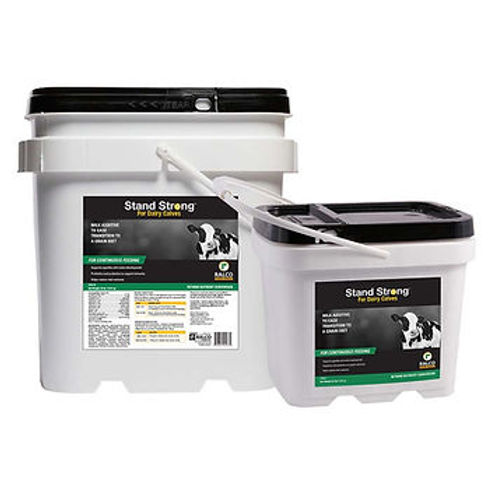
Stand Strong for Dairy Calves – Get Ahead and Stay Ahead
Stand Strong for Dairy Calves is a natural milk additive that supports appetite and eases the transition to a grain diet while helping immunity
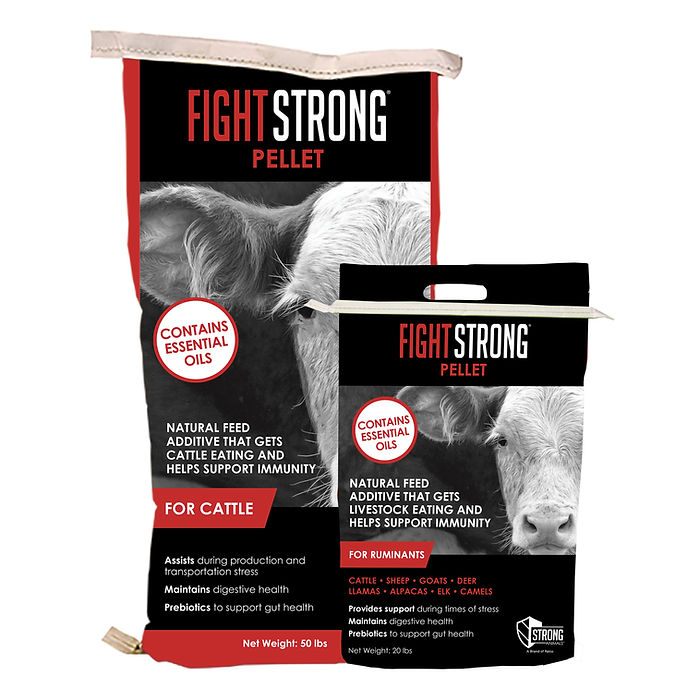
Fight Strong Pellet – When the Stress is On
Fight Strong Pellet is a natural pelleted feed additive that gets livestock eating and helps support immunity during times of stress.
References
- Impact of Heat Stress on Dairy Cattle and Selection Strategies for Thermotolerance
- Managing the Heat in Pre-weaned Calves
- Late Gestation in utero Heat Stress Limits Dairy Heifer Early Life Growth and Organ Development
- Effects of Late Gestation Heat Stress on Immunity and Performance of Calves
- The Impact of Heat Stress on Young Dairy Calves
- Heat Stress Associated Changes in the Intestinal Barrier, Inflammatory Signals and Microbiome Communities in Dairy Calves
- Managing Heat Stress in Heifers
- Transient Receptor Potential and Thermoregulation in Animals
- Ralco internal research and product data on file.