
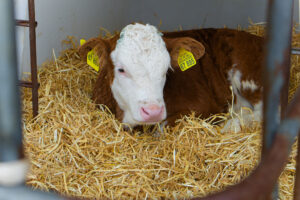
Scours, also known as neonatal diarrhea, is a common problem in newborn calves that can lead to severe dehydration and even death. While many believe scours is a disease, it’s actually a clinical sign of several agents working together.
In this article, we’ll discuss the causes of scours, symptoms and treatment, as well as prevention strategies that can help reduce the economic impact of scours in your herd.
What Causes Calf Scours?
Scours result from the combined effect of noninfectious and infectious causes.
Noninfectious causes are the predisposing factors that contribute to infection. Some examples include lack of colostrum, environmental stress, overcrowding, birth stress or a combination. Noninfectious causes make calves more susceptible to infectious agents like Rotavirus, coronavirus, E. coli, Salmonella, Clostridium perfringens, or coccidia and other parasites.
Regardless of the cause of scours, the main problem is severe dehydration. The inflammation of the intestine reduces the calf’s ability to digest nutrients properly.
Tip: Try oral drenches like Start Strong® for Calves to ensure your calves get up quickly after birth and receive the maximum amount of colostrum.
Understanding Dehydration Levels in Calves
When dealing with scouring calves, it’s essential to understand the severity of dehydration.
Dehydration, loss of electrolytes and a decrease in blood pH are the three biggest challenges with scouring calves. Supportive treatment involving fluid and electrolytes is vital, regardless of the cause of scours. Often, these life-saving fluids can be given orally.
Here are some quick and easy ways to determine the level of dehydration in scouring calves:
Skin tenting is a quick hydration check. Pinch the skin on the neck or around the eyes and time how long it takes to flatten. Less than 2 seconds is normal, 2-5 seconds means 8% dehydration, and over 5 seconds is severe dehydration.
Sunken eyes indicate dehydration. Normal hydration means the eye is under the eyelid, while a visible space when the lower lid is rolled down suggests dehydration.
Check gum color and moisture. Normal gums are pink and moist, while pale pink to white and dry gums signal dehydration.
The calf’s ability to stand and suckle is a key dehydration indicator. Calves showing mild depression, weakness and sunken eyes but with a good suckle reflex are 6-8% dehydrated. A calf unable to stand, lacking a suckle reflex, and with cool extremities is severely dehydrated at 10-12%.
Calves with a suckle reflex who can stand should receive oral electrolytes. Calves without a suckle reflex typically need intravenous (IV) fluids immediately.
To decide how much electrolytes to give, consider the calf’s weight, usual daily fluid intake, dehydration level and diarrhea loss. However, always consult with your veterinarian before starting treatment.
It’s best not to mix oral electrolytes with milk replacer. Instead, offer them separately from milk replacer or whole milk, splitting them into multiple daily feedings. Always make sure scouring calves have access to constant fresh water for proper hydration and recovery.
What’s the Economic Impact of Calf Scours
Calf scours cause more financial losses to producers than any other health problem in a herd. The National Animal Health Monitoring System reported that 57% of weaning calf mortality for U.S. dairy producers was due to scours, with most cases occurring in calves less than one-month-old.
How to Manage & Prevent Calf Scours
The fight against scours starts with managing noninfectious causes first (i.e., lack of colostrum, environmental stress, overcrowding, birth stress, or a combination).
However, preventing scours can be challenging due to the various agents that can cause diarrhea. The primary prevention method involves maintaining clean calving facilities and relocating calves or pairs to sanitary areas post-calving. Additionally, ensuring all calves receive sufficient high-quality colostrum can help manage scours.
When managing scours, following biosafety protocols is crucial. This involves changing boots before entering a clean area, washing hands well and changing clothes if needed. These actions can prevent the spread of disease to other healthy animals.
Lastly, preventing scours can start before the calf is even born. Research has shown that as pregnant cows get closer to calving, they shed Rotavirus and coronavirus in their feces. This increase in shedding is shown to be heaviest in heifers and may also increase after cold weather.
Therefore, moving calves or pairs before birth can help reduce the incidence of scours. Additionally, providing yeast products to cows before calving can help improve colostrum quality to calves. Yeast cell-wall products like IntegraMOS® are easy to add to your feeding program 60-90 days before calving.
How to Treat Calf Scours
The primary treatment for calf scours focuses on hydration and electrolyte balance. This approach helps reduce dehydration and improves the overall acid-base balance in the calves’ bodies.
There are two methods of administering these vital fluids: orally or via IV. As stated above, the choice between these two largely depends on the condition’s severity and the calf’s specific needs. Your veterinarian should also play a critical role in this decision-making process, helping determine the amount of fluid needed and the frequency of treatment.
Traditionally, antibiotics have been used in the treatment of scours. However, with new regulations like GFI 263, these treatments are becoming less available and more difficult to obtain without a prescription from a veterinarian. Moreover, the growing concern about antibiotic resistance means antibiotics are not as effective as they used to be.
Introducing Rapid Strike & Start Strong for Calves
Ralco has developed Rapid Strike™ and Start Strong for Calves—two natural products designed to support calf health from day one.
Rapid Strike is a natural oral drench designed to support calves experiencing digestive stress. Start Strong is formulated for newborns to receive early colostrum intake. Start Strong supports gut health and natural immune function, and gives calves the energy they need to thrive in those critical first hours after birth.
Together, these products offer a comprehensive approach to early calf care.
Incorporate Rapid Strike and Start Strong into your calf program today!
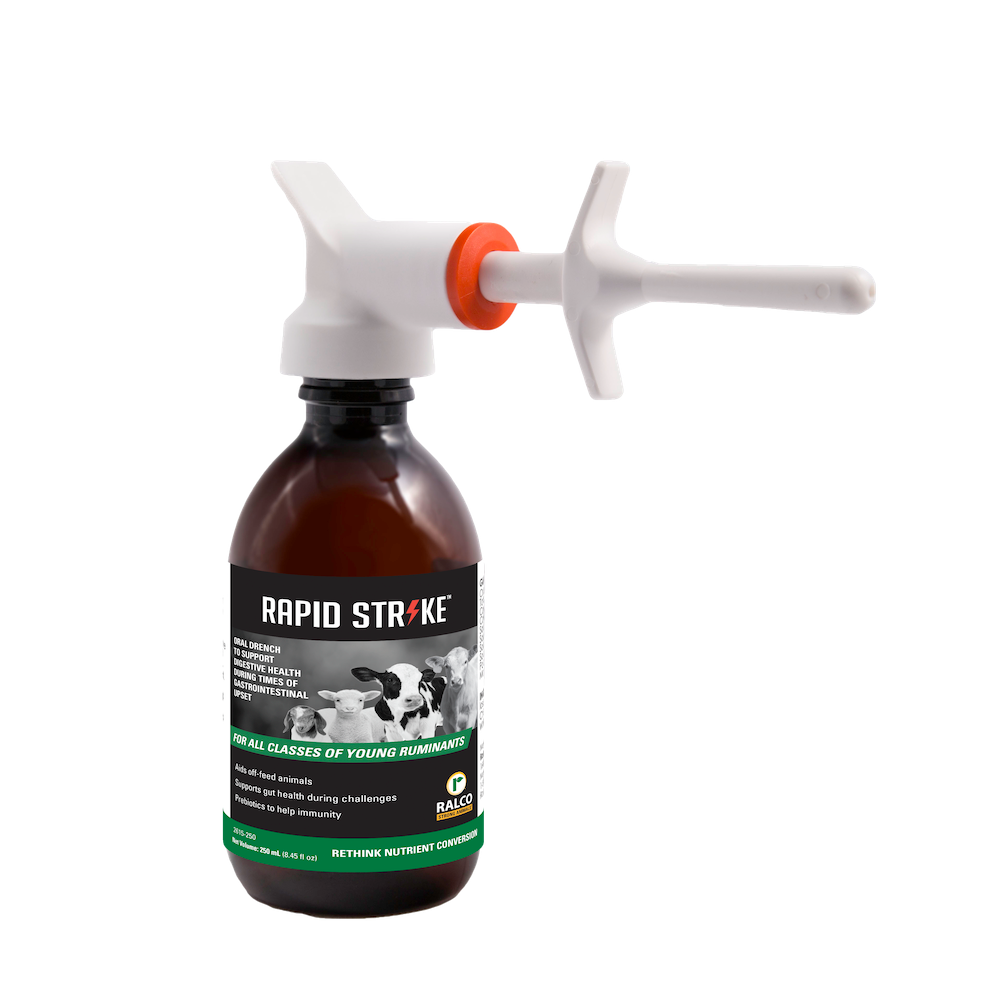
Rapid Strike – When Digestive Challenges Threaten
Rapid Strike is a natural oral drench that enhances gut health and promotes a quick return to normal eating and drinking after digestive stress.
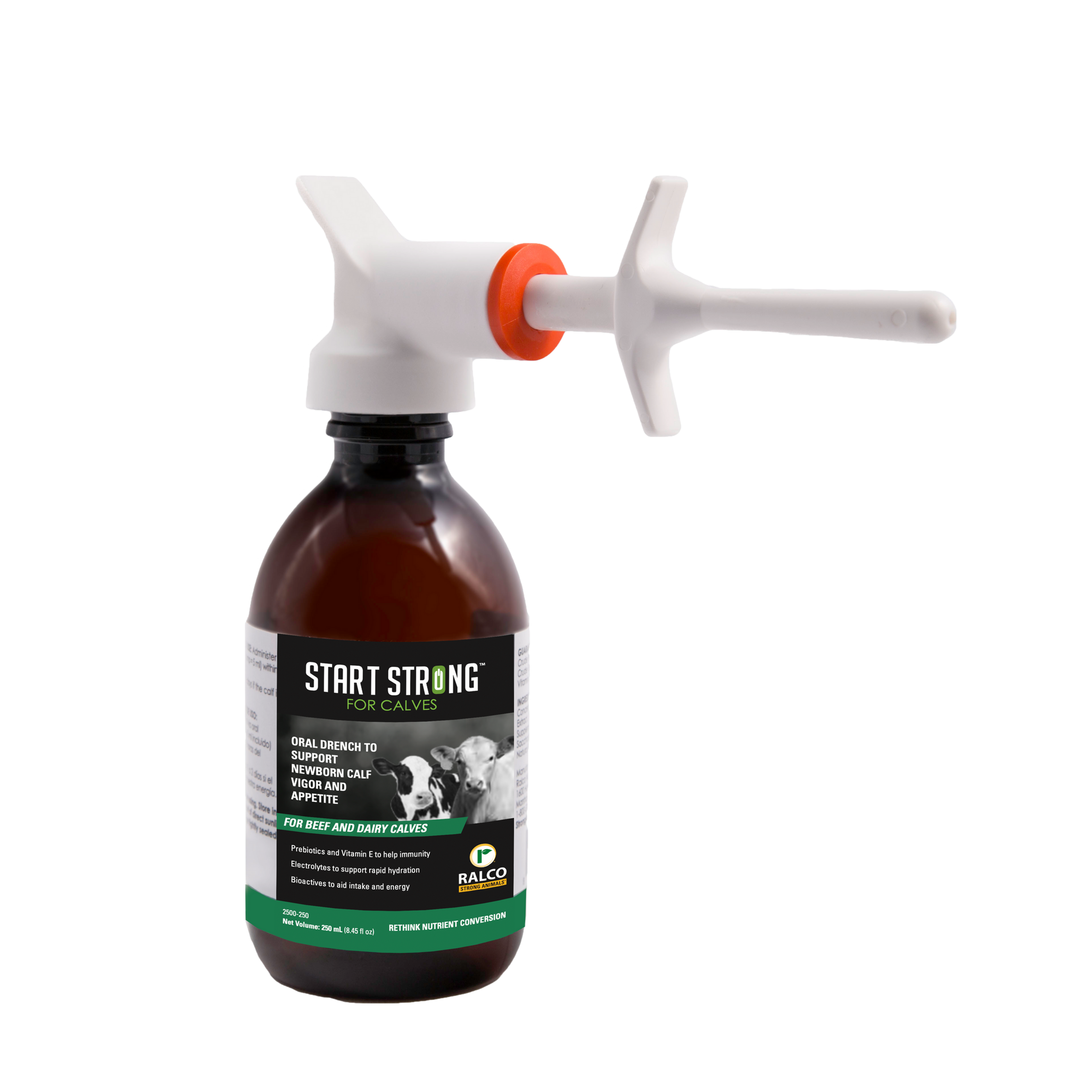
Start Strong for Calves – Maximize Colostrum Intake
Start Strong for Calves is a natural oral drench that supports appetite, digestive health and provides newborns with the energy they require.
References:
Beef Magazine
Drovers
National Institutes of Health
Montana State University
Oklahoma State University