
• Skip to main content
  • Skip to header right navigation
  • Skip to site footer
  • Careers
  • Contact Us
Logo for Ralco featuring a stylized green letter "R" with a leaf inside a yellow circle, next to the text "RALCO Nature Elevated by Science" in green letters.

Ralco Agriculture

  • Home
  • About
    • History
    • News
    • Sustainability
  • Our Science
    • Microfused® Essential Oils
    • Actifibe®
    • Microbial Catalyst®
  • Products
        • All Products
        • Swine
          • Nursery / Grow-Finish Health
          • Gestation / Lactation Health
          • Nursery Nutrition
          • Grow-Finish Nutrition
          • Specific Health Challenges
        • Poultry
        • Beef
          • Cow/Calf Health
          • Cow/Calf Nutrition
          • Feedlot Health
          • Feedlot Nutrition
        • Dairy
          • Calf
          • Cow
        • Crops & Forage
          • Crops
          • Forage
        • More Solutions
          • Aquaculture
          • Equine
          • Feed Mill
          • Organic
          • Show Animals
          • Small Ruminants
  • Resources
    • FAQs
    • Videos
    • Podcast
    • Ralco Reader Blog
  • Shop
  • Careers
  • Contact Us
Search Search
Search
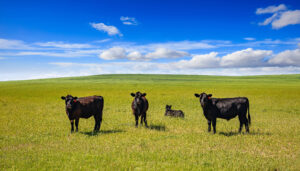
Three black cows stand on green grass in a wide, open field under a bright blue sky with scattered white clouds. A small calf lies on the ground between them.

Why Heat Stress Equals Gut Stress in Cattle

June 2, 2022 | Beef

As temperatures and humidity levels reach above 80 degrees Fahrenheit, beef cows experience physiological stress trying to deal with their heat load.

This manifests in two ways for cattle – physically and internally. Most beef producers experience the visible or physical signs of heat stress like panting, drooling, reduced feed intake and decreased activity in the summer. Still, the internal signs cattle undergo can be much more devastating.

Most contribute performance losses from heat stress to reduced feed intake, but that’s only part of the story.

Understanding Heat Stress in Cattle

“Heat stress equals gut stress,” says Dr. Jeff Hill, ruminant nutritionist for Ralco. “A ruminant’s primary mechanism for heat loss is panting and pushing blood to the surface of their bodies. This natural mechanism, called vasodilatation, robs nutrients and blood flow from their internal organs, affecting reproduction, metabolism and gut health.”
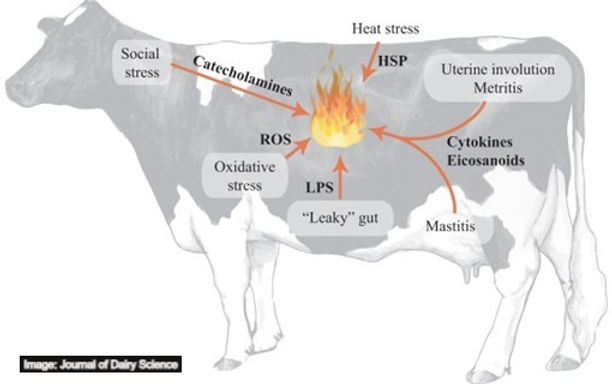
How Heat Stress Equals Gut Stress in Cattle Graphic LPS

As you can see from this graphic, stress compounds in an animal and contributes to additive losses. For example, heat stress can predispose an animal to a leaky gut, which triggers an immune response and makes an animal even more susceptible to disease and production losses. Which further reduces their ability to tolerate heat. This process continues in a vicious cycle.

What’s Leaky Gut?

Leaky gut describes when the intestinal wall of an animal becomes damaged and porous, allowing toxins, microbes, undigested food and waste to leak through. This can result in performance losses, sepsis and even death.
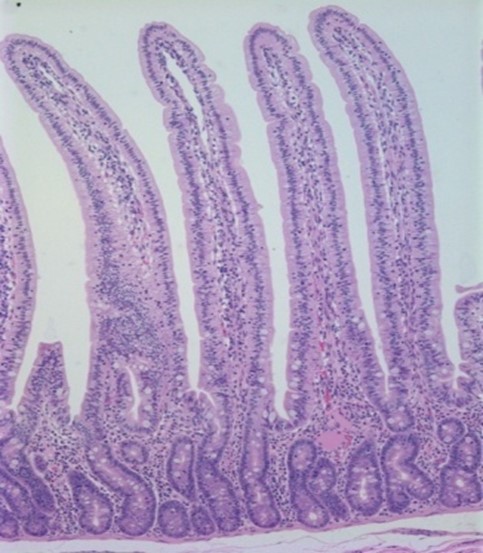
Microscopic image showing elongated, finger-like villi structures of intestinal tissue stained pink and purple, highlighting cellular detail and tissue organization.
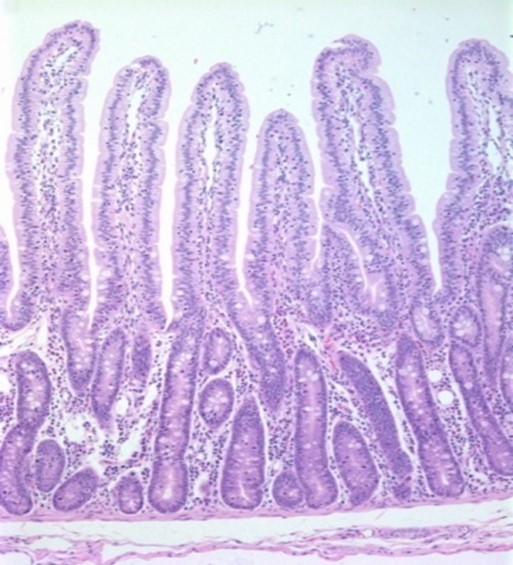
Microscopic image of intestinal villi showing tall, finger-like projections lined with purple-stained cells, typical of normal small intestine tissue under a light microscope.

The micrograph on the right shows what a damaged or leaky gut is compared to a healthy gut. The gaps in the right image would allow pathogens and toxins to pass through, increasing the risk of disease challenges during heat stress.

Heat stress, leaky gut, immune activation and lost performance

Heat stress means gut stress when it causes a leaky gut. A leaky gut then triggers immune activation from bacteria and pathogens passing through. Energy such as glucose then begins shifting away from milk production and insulin levels increase. This results in performance losses from poor nutrient conversion, poor reproduction and disease.

Below is an in-depth look at new technologies to combat heat stress in ruminants in a webinar by Dr. Jeff Hill.

Best Ways to Manage Heat Stress in Cattle

New research shows that feed additives, including essential oils and capsicum, are helping beef producers keep cattle cooler in the summer months. In a West Texas A&M University study, Wagyu cattle had a higher average daily gain, feed intake and better marbling scores at the market when fed essential oil and capsicum feed additives throughout the summer months.

Why? Essential oils and capsicum products target the internal processes in the body that are impacted by heat stress.

Essential oils contain powerful properties that help reduce oxidative stress, maintain tight junctions in the gut to combat leaky gut and trigger responses in the body that help modulate temperature and regulate insulin and glucose production.

Additionally, capsicum helps regulate insulin, glucose production and temperature, allowing animals to take smaller, more frequent meals. This helps maintain gain and rumen function during heat events.

To learn more about essential oil and capsicum feed additives, reach out to Ralco’s ruminant specialists by calling 507-337-6916 or emailing RuminantHelp@RalcoAgriculture.com.

Share this post

Sidebar

Categories

  • News
  • Beef
  • Dairy
  • Poultry
  • Swine

Let’s Tackle Your Toughest Challenge

If there’s a problem holding your operation back, we’re here to help you solve it. If you’re ready for products that bring together nature and science, let’s talk!

Ralco News

A large group of yellow chicks stand and walk on wood shavings inside a brightly lit indoor poultry farm. The environment appears crowded with many chicks in the background.

Keep Coccidiosis from Disrupting Flock Performance

Coccidiosis remains one of the most common and costly digestive challenges in poultry production, …
Read moreKeep Coccidiosis from Disrupting Flock Performance
A gloved hand holds a test tube containing a yellow liquid and green leaves, suggesting a scientific experiment with plants.

Are All Oregano Essential Oils the Same in Poultry Production?

In commercial poultry production, oregano essential oil is often treated like a commodity …
Read moreAre All Oregano Essential Oils the Same in Poultry Production?
Several young pink pigs stand closely together on a slatted floor inside a barn or indoor pen, looking towards the camera. The environment appears clean but industrial.

New Research on When Essential Oils Deliver the Most Value in Swine Production

For years, essential oils have lived in a gray area within livestock production. They’re talked …
Read moreNew Research on When Essential Oils Deliver the Most Value in Swine Production
Ralco logo with a green vertical bar and a leaf inside a yellow circle, next to the word "RALCO" in white, and the tagline "Nature Elevated by Science" below.
Four faded certification logos in a row, including HALAL, RMPP, GMP+, and FAMIQS, on a light background. Text and images within the seals are barely visible.

Subscribe for news and updates

Home
About
Our Science
Shop
Resources
Careers
Contact Us
Call 1 (800) 533-5306

  • Facebook
  • Instagram
  • YouTube
  • LinkedIn

Copyright © 2026 · Ralco Agriculture · All Rights Reserved · Privacy Policy

We use cookies to enhance your browsing experience, serve personalized ads or content, and analyze our traffic. By accepting, you agree to our use of such cookies. Privacy Policy